- dog-not-eating-food-but-drinking-water-common-scenarios - Dog Not Eating Food But Drinking Water: Common Scenarios
- possible-reasons-your-dog-is-refusing-food - Possible Reasons Your Dog Is Refusing Food
- when-is-it-an-emergency - When Is It an Emergency?
- real-stories-from-pet-owners-and-vets - Real Stories from Pet Owners and Vets
- what-you-can-do-at-home-first - What You Can Do at Home First
- how-hidden-brook-veterinary-can-help - How Hidden Brook Veterinary Can Help
1. Dog Not Eating Food But Drinking Water: Common Scenarios
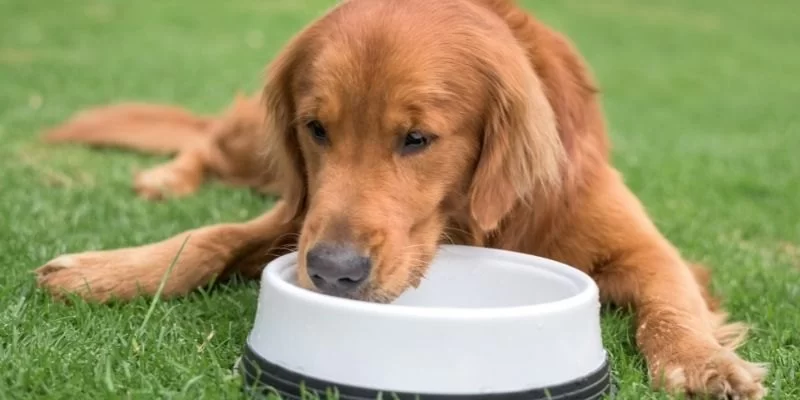
When a dog suddenly stops eating but continues to drink water, it often leaves owners confused and worried. While drinking water is a positive sign—it means your dog isn't completely shutting down—there are still several reasons this might be happening. The phrase “dog not eating food but drinking water” often signals a subtle problem that deserves closer attention.
2. Possible Reasons Your Dog Is Refusing Food
2.1 Minor Illness or Temporary Upset
Just like humans, dogs sometimes feel “off.” A mild upset stomach, stress, or even a new environment can cause them to skip a meal or two. As long as they're drinking water and acting normal otherwise, it may resolve quickly.

2.2 Dental Pain or Oral Injury
If chewing causes pain, your dog may avoid eating altogether. Check for signs like pawing at the mouth, bad breath, or drooling. Tooth decay, broken teeth, or gum infections can all make food unappealing but won’t affect thirst.
2.3 Food Aversion or Change
Have you recently changed your dog’s food? Even switching brands or formulas can cause sudden rejection. Some dogs are sensitive to ingredients, while others just dislike the taste or texture.
2.4 Chronic Conditions or Age-Related Changes
Older dogs or dogs with chronic illnesses like kidney disease, liver problems, or diabetes may experience appetite loss. These conditions often let the dog keep drinking while ignoring food—making the pattern of dog not eating food but drinking water a warning sign worth exploring with a vet.
2.5 Behavioral or Emotional Stress
Changes in the household, loud noises, or separation anxiety can cause dogs to stop eating. Dogs are sensitive creatures, and their appetite is closely linked to their emotional state.
3. When Is It an Emergency?
If your dog has gone more than 24 hours without eating but continues to drink, it may still be within the safe zone—but not always. Combine appetite loss with symptoms like vomiting, lethargy, diarrhea, or pale gums, and it becomes urgent.
Puppies, senior dogs, or small breeds are particularly vulnerable to dehydration and energy loss. If your dog refuses food for more than 48 hours, you should seek veterinary advice immediately.
4. Real Stories from Pet Owners and Vets
One dog owner shared their experience: “Our golden retriever wouldn’t touch her food for two days, but she was drinking plenty of water. We later found out she had a cracked molar that needed extraction. As soon as we fixed it, her appetite came right back.”
A veterinarian from Hidden Brook Veterinary mentioned a similar case: “A young boxer came in refusing to eat but drinking water non-stop. Bloodwork revealed early signs of pancreatitis. Early intervention made all the difference in his recovery.”
5. What You Can Do at Home First
5.1 Try Soft or Bland Foods
Offering soft foods like boiled chicken, white rice, or low-sodium broth may help test whether your dog is avoiding food due to flavor, temperature, or pain.
5.2 Check the Environment
Make sure there hasn’t been a sudden stressor like a new pet, loud noises, or a disrupted routine. Create a quiet feeding space and see if your dog’s appetite returns in a calm environment.
5.3 Monitor Closely
Track your dog’s behavior, stool, urination, and energy levels. This helps you and your vet quickly identify if something more serious is developing. Even subtle changes can be important.
6. How Hidden Brook Veterinary Can Help
If you're still unsure why your dog is not eating food but drinking water, it’s time to get expert advice. At Hidden Brook Veterinary, we provide thorough exams, diagnostics, and personalized treatment plans to address both physical and emotional causes of appetite loss.
Our team understands how stressful it is to see your dog refuse food, and we're here to help with compassion and experience. Whether it’s a dental issue, dietary sensitivity, or a more complex condition, you’ll find the right support and solutions with us.
Don’t wait until things escalate. Contact Hidden Brook Veterinary and take the guesswork out of your dog’s health today.