- understanding-the-behavior-dog-not-drinking-water-but-eating-food - Understanding the Behavior: Dog Not Drinking Water But Eating Food
- normal-or-concerning-when-dogs-eat-but-refuse-to-drink - Normal or Concerning? When Dogs Eat But Refuse to Drink
- possible-causes-for-lack-of-water-intake - Possible Causes for Lack of Water Intake
- dehydration-signs-you-should-watch-for - Dehydration Signs You Should Watch For
- encouraging-hydration-at-home - Encouraging Hydration at Home
- case-study-how-luna-got-back-on-track - Case Study: How Luna Got Back on Track
- when-to-consult-hidden-brook-veterinary - When to Consult Hidden Brook Veterinary
1. Understanding the Behavior: Dog Not Drinking Water But Eating Food
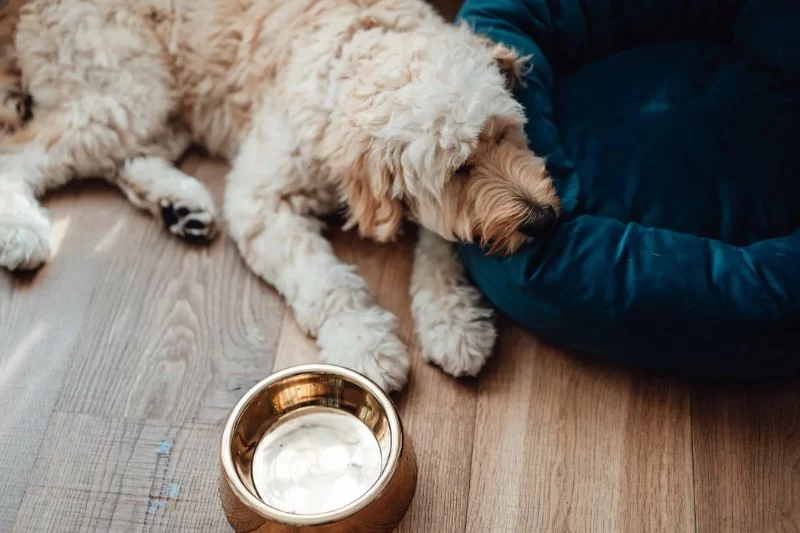
If your dog is not drinking water but eating food as usual, it’s easy to brush it off—after all, appetite seems normal. However, hydration is just as critical as nutrition. Dogs typically self-regulate their water intake, so a sudden change could indicate discomfort, environmental changes, or underlying health issues.
Water keeps vital organs functioning, supports digestion, regulates temperature, and aids nutrient transport. When dogs eat dry kibble but stop drinking water, they’re at risk of becoming dehydrated quickly. That’s why any change in hydration behavior deserves a closer look—even if your dog’s tail is still wagging.
2. Normal or Concerning? When Dogs Eat But Refuse to Drink
There are moments when decreased water intake isn’t an emergency. For example, if a dog eats wet food, it might reduce its need to drink water separately. A cooler environment or reduced activity can also lead to temporary dips in thirst. Puppies and senior dogs, however, may not adjust their water intake appropriately and require closer monitoring.
But if your dog consistently avoids water while maintaining food intake, it may point to oral discomfort, nausea, medication side effects, or kidney issues. Chronic low hydration can silently impact organ function and energy levels. Understanding whether your dog’s behavior is momentary or the start of a larger problem is essential for timely care.
3. Possible Causes for Lack of Water Intake
Several factors can cause your dog to eat but avoid drinking:
- Dental Pain: Dogs with sore gums or infected teeth might avoid cold water due to pain.
- Dirty Water Bowl: Dogs are sensitive to smell—unclean bowls or old water might be unappealing.
- New Environment: Stress or unfamiliar surroundings can suppress a dog’s urge to drink.
- Dietary Changes: Switching to wet or raw food may reduce thirst naturally.
- Underlying Illness: Kidney disease, urinary tract infections, or hormonal imbalances can affect hydration instincts.
Identifying the exact cause often requires observation and, in some cases, a veterinary examination. If this behavior persists for more than 24 hours, it’s time to act.
4. Dehydration Signs You Should Watch For
Even if your dog is eating, dehydration can set in silently. Look for these signs:
- Dry gums or sticky saliva
- Lethargy or sunken eyes
- Loss of skin elasticity (gently pinch the skin—if it doesn’t snap back, that’s a warning)
- Panting or warm nose despite a cool environment
These symptoms suggest your dog isn’t just being picky—there may be a real issue requiring attention. Catching dehydration early prevents more serious outcomes like kidney failure or heatstroke.
5. Encouraging Hydration at Home
If your dog is eating but not drinking, try these proven strategies to increase water intake:
- Change the Bowl Location: Move it to a quieter or more familiar spot.
- Use Ice Cubes: Some dogs enjoy playing with and licking ice cubes.
- Switch to a Pet Fountain: Flowing water may seem fresher and more enticing.
- Add Water to Food: Mix warm water into kibble or serve wet food.
- Flavor the Water: A splash of low-sodium broth can encourage reluctant drinkers.
Always ensure that the water is fresh and the bowl is clean. Consistency matters—offer water often and monitor intake over a few days.
6. Case Study: How Luna Got Back on Track
Luna, a 5-year-old golden retriever in Virginia, suddenly stopped drinking but continued eating normally. Her owner noticed mild lethargy and brought her to Hidden Brook Veterinary. The vet diagnosed mild gingivitis, making drinking uncomfortable. After a simple dental cleaning and switching to a ceramic bowl, Luna began drinking again normally within two days.
This case underscores how seemingly minor issues—like bowl type or mild dental discomfort—can lead to hydration problems. Timely intervention helped Luna recover before dehydration caused broader complications.
7. When to Consult Hidden Brook Veterinary
If your dog hasn’t drunk water in over 24 hours, or is showing signs of fatigue, dry gums, or behavioral changes, consult Hidden Brook Veterinary immediately. Their team can assess hydration status, check for infections or underlying disease, and guide you on next steps—whether it’s dietary adjustment, fluid therapy, or behavioral strategies.
Especially for puppies, senior dogs, or those with medical histories, rapid hydration loss can escalate fast. Getting expert advice ensures peace of mind and helps keep your dog healthy, safe, and energetic. Hidden Brook Veterinary also offers customized feeding plans if hydration becomes a recurring concern in your dog’s routine.