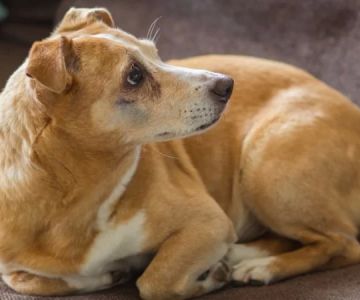
- Understanding-dog-limping-and-unable-to-walk-properly
- Common-injuries-that-cause-limping
- When-illness-leads-to-mobility-problems
- Age-related-conditions-affecting-mobility
- What-owners-should-do-immediately
- Real-life-case-of-a-limping-dog
- How-veterinary-care-can-help
Understanding dog limping and unable to walk properly
Seeing your dog limping and unable to walk properly can be alarming for any pet owner. Limping, or lameness, is often a sign that something is wrong with your dog’s legs, paws, or joints. While it may sometimes result from a minor issue such as stepping on a sharp object, it can also signal serious medical problems that require urgent attention. Understanding the root cause of limping is the first step toward ensuring your dog’s comfort and long-term health.

Common injuries that cause limping
One of the most frequent reasons for a dog limping and unable to walk properly is injury. Dogs are active by nature, and running, jumping, or even rough play can sometimes result in sprains, fractures, or torn ligaments. The cranial cruciate ligament (similar to the ACL in humans) is especially prone to injury in active breeds. Paw injuries, like cuts from glass or embedded thorns, can also make a dog reluctant to put weight on the affected limb. Quick assessment and immediate care can prevent minor injuries from becoming chronic problems.
When illness leads to mobility problems
Not all cases of limping are injury-related. Illnesses such as Lyme disease or infections in the bone and joints can cause sudden or gradual lameness. Dogs suffering from immune-mediated diseases or neurological disorders may also struggle with coordination, making it appear as though they cannot walk properly. In these cases, a veterinarian’s diagnosis is crucial, as the underlying condition needs to be treated to restore mobility. Waiting too long can result in worsening symptoms and unnecessary pain for your pet.
Age-related conditions affecting mobility
As dogs age, conditions like arthritis and hip dysplasia become common culprits behind difficulty walking. Senior dogs may limp due to joint inflammation or stiffness, particularly after periods of rest. Large breeds, in particular, are susceptible to degenerative joint disease that worsens over time. While age-related limping may not always be preventable, treatments such as pain management, physical therapy, and diet adjustments can greatly improve a dog’s quality of life. Early intervention is key to helping older dogs stay active and comfortable.
What owners should do immediately
If your dog is limping and unable to walk properly, avoid allowing them to continue strenuous activity. Check their paws for visible injuries, swelling, or foreign objects. Restrict their movement until you can consult a veterinarian, as walking on an injured limb can cause further damage. Keep in mind that dogs are adept at hiding pain, so even mild limping should be taken seriously. For peace of mind and proper care, contacting trusted veterinary professionals like Hidden Brook Veterinary is always recommended.
Real-life case of a limping dog
Consider the case of a Labrador retriever named Max who suddenly started limping after a game of fetch. His owner initially thought it was just a muscle strain, but when Max refused to put weight on his leg the following day, they sought veterinary help. It turned out he had partially torn his cruciate ligament. Thanks to prompt diagnosis and a treatment plan involving surgery and physical therapy, Max was able to regain his mobility. This case highlights why it’s essential not to ignore even minor limping episodes.
How veterinary care can help
Veterinary intervention is crucial when a dog is unable to walk properly. A vet can perform a physical exam, X-rays, or blood work to identify the root cause of limping. Treatments may range from simple wound care and antibiotics to surgery for more severe injuries. Pain management strategies, supplements, and rehabilitation therapy are often part of the recovery process. For dog owners, partnering with a trusted clinic like Hidden Brook Veterinary ensures access to personalized care and expertise that can make all the difference in your pet’s recovery journey.