- dog-limping-understanding-the-symptoms
- behavioral-changes-hiding-under-furniture
- potential-causes-of-limping-and-hiding
- real-case-what-happened-to-buddy
- how-to-respond-as-a-pet-parent
- when-to-visit-a-vet
- why-choose-hidden-brook-veterinary
1. Dog Limping – Understanding the Symptoms
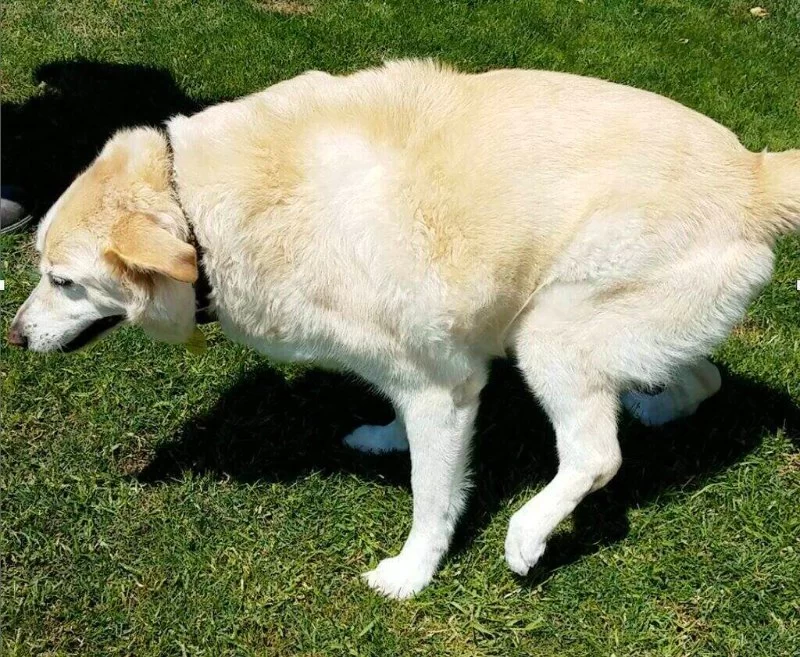
When a dog begins to limp, it can be alarming—especially when the limp is sudden and severe. Limping is often the first visible sign of pain or injury in dogs, whether it stems from a paw injury, joint issue, or muscle strain. However, limping doesn't always mean a medical emergency, which is why it’s crucial to observe your dog closely. Is the limp constant or intermittent? Does it worsen with activity? These questions help narrow down the root cause.
2. Behavioral Changes – Hiding Under Furniture
One concerning behavior often associated with limping is a dog hiding under furniture. This isn’t just a quirky preference—dogs retreat to enclosed spaces when they feel unsafe, stressed, or unwell. If your dog is both limping and hiding, it suggests not just physical discomfort but also emotional distress. Dogs instinctively hide when they're hurt, trying to protect themselves in what they consider a “safe” space.

3. Potential Causes of Limping and Hiding
There are several underlying causes for a dog limping and simultaneously hiding under furniture:
3.1 Injury or Trauma
Injuries like sprains, torn ligaments (like ACL injuries), or puncture wounds in the paw can cause sudden limping. Dogs might hide if the pain is severe or if they’re frightened after a traumatic event like a fall or an accident.
3.2 Joint or Bone Conditions
Issues such as arthritis, hip dysplasia, or luxating patella often result in chronic or intermittent limping. In older dogs especially, these conditions may cause them to seek solitude to rest and recover.
3.3 Neurological Issues
Sometimes the limp isn’t due to a physical injury but neurological problems. A slipped disc or spinal injury could cause both mobility issues and behavioral changes like hiding.
3.4 Emotional or Psychological Stress
Some dogs hide due to fear, stress, or anxiety. If a limp appears without any visible injury, stress-related muscle tension or a psychosomatic response could be to blame.
4. Real Case – What Happened to Buddy?
One evening, a family noticed their Golden Retriever, Buddy, limping and disappearing under the couch. At first, they assumed it was a sprain from rough play at the park. However, after a day, the limp worsened, and Buddy refused to come out for dinner—unusual behavior for this typically energetic pup. They brought him to Hidden Brook Veterinary, where a comprehensive exam and X-ray revealed a hairline fracture in his front leg. The early hiding behavior was Buddy’s way of managing his pain and stress. Thanks to prompt attention, Buddy healed well with rest, medication, and regular follow-ups.
5. How to Respond as a Pet Parent
5.1 Observe Closely
Look for swelling, cuts, heat, or sensitivity when touching the affected limb. Monitor your dog’s behavior and track changes in appetite, energy levels, and movement.
5.2 Avoid Forcing Movement
Don’t try to pull your dog out from under furniture if they’re hiding. This may increase their stress or worsen the injury. Speak calmly and offer treats to encourage movement instead.
5.3 Provide Comfort
Create a quiet, safe space nearby. Offer familiar blankets, toys, and gentle attention without pushing physical interaction. This helps reduce anxiety.
5.4 Don’t Self-Diagnose
Online forums and advice can be misleading. Every dog is different, and what appears as a mild limp could be something serious. It’s always best to consult a veterinary professional.
6. When to Visit a Vet
If the limp persists longer than 24 hours, worsens, or is accompanied by symptoms like swelling, crying, refusal to walk, or behavioral changes like hiding, it's time for a vet visit. Immediate veterinary attention is crucial in cases of suspected fractures, neurological signs (like dragging legs), or deep wounds.
Early diagnosis can prevent chronic pain or irreversible damage. Even a minor limp could be an early sign of a larger issue—don’t wait too long.
7. Why Choose Hidden Brook Veterinary
At Hidden Brook Veterinary, we treat your pets with the same level of care and concern you would. Our experienced team offers full diagnostics, advanced imaging, and personalized treatment plans tailored to your pet’s needs. From limping to behavioral changes like hiding, we take a holistic view of your dog’s health. Whether it’s a sprained paw or an underlying medical condition, we’ll help you understand the cause and get your dog on the path to recovery.
We also provide recommendations for the most suitable products—from orthopedic pet beds to calming aids and mobility support—to help your pet recover comfortably. Trust our compassionate care to bring your furry friend back to their happy, healthy self.