- 1 - Understanding Why Dogs Limp After Playtime
- 2 - Common Causes of Limping After Playing with Toys
- 3 - Real Stories from Pet Owners
- 4 - Home Care Tips for Mild Limping
- 5 - Knowing When It’s Time to Visit a Veterinarian
- 6 - Professional Support for Your Pet’s Recovery
Understanding Why Dogs Limp After Playtime
It can be alarming to notice your dog limping after playing with toys. One moment they’re bouncing around full of energy, and the next they’re favoring one leg. While occasional limping isn’t always an emergency, it’s important to understand that limping is your dog’s way of telling you something is wrong. It could be as simple as overexertion or as concerning as a hidden injury. By paying attention to the context and the duration of the limp, pet owners can better judge the next steps for their furry companions.

Common Causes of Limping After Playing with Toys
There are several reasons why a dog may limp after an energetic play session:
1. Minor muscle strain: Just like humans, dogs can pull a muscle if they twist too hard while chasing or tugging on toys.
2. Paw injuries: Sometimes the issue lies in the paw itself—small cuts, splinters, or even toy fragments can get lodged and cause discomfort.
3. Sprains or ligament issues: Jumping for a ball or making sudden turns can strain joints, especially in active breeds.
4. Underlying conditions: Dogs with arthritis or hip dysplasia may show limping after play because the activity aggravates their condition.
Recognizing the root cause often requires careful observation and, in some cases, a professional examination.
Real Stories from Pet Owners
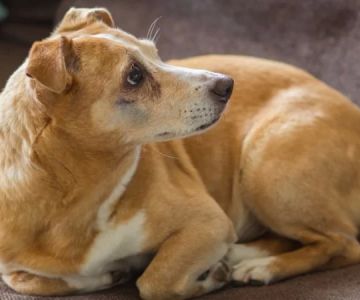
Many pet owners share similar experiences. For example, a Labrador owner noticed his dog limping after an enthusiastic game of fetch. At first, he assumed it was just temporary, but the limp persisted for days. A vet later confirmed it was a mild ligament sprain that healed with rest. Another story involves a small terrier who limped after tug-of-war with a rope toy. It turned out to be a tiny thorn stuck between her paw pads—something easily overlooked but quickly resolved once discovered. These examples show that the causes can range from harmless to more serious, making careful attention essential.
Home Care Tips for Mild Limping
If your dog is limping but otherwise acting normal—eating, drinking, and playful—there are a few steps you can take at home:
- Give them rest for 24 to 48 hours and limit jumping or running.
- Check the paw pads for cuts, swelling, or debris.
- Apply a cold compress to reduce inflammation if there’s mild swelling.
- Avoid giving human pain medication, as it can be toxic for dogs.
Monitoring your dog closely during this period is crucial. If the limp improves with rest, it may simply be a temporary strain. But if it worsens, it’s time for professional care.
Knowing When It’s Time to Visit a Veterinarian
There are certain red flags every dog owner should watch for when dealing with limping. If your dog is unable to bear weight on a leg, shows signs of severe pain such as whimpering, or the limp lasts for more than 48 hours, immediate veterinary care is needed. Persistent limping can indicate more serious issues like a torn ligament, dislocated joint, or even fractures. Catching these problems early ensures your pet doesn’t suffer longer than necessary and can recover fully.
Professional Support for Your Pet’s Recovery
For dedicated care and peace of mind, consulting professionals like those at Hidden Brook Veterinary can make all the difference. Whether it’s a simple paw injury or something more complex, their team can provide diagnosis, treatment, and guidance to help your dog return to happy playtime. Having a trusted veterinary resource means you don’t have to face the uncertainty alone, ensuring your pet gets the right care at the right time.