- understanding-dog-eye-redness-and-swelling
- common-causes-of-eye-irritation-in-dogs
- symptoms-that-signal-serious-eye-problems
- at-home-care-vs-professional-treatment
- real-life-case-dog-eye-health
- preventing-future-eye-problems
- why-seeking-professional-help-is-important
1. Understanding Dog Eye Redness and Swelling
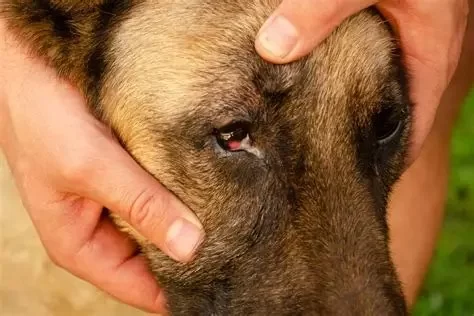
Dog eye redness and swelling can be alarming for any pet owner. These symptoms may range from mild irritation caused by dust or allergies to more severe conditions like infections or glaucoma. The eyes are delicate, and even minor issues can worsen quickly if not addressed. By understanding the potential causes and knowing how to respond, owners can protect their dog’s vision and comfort. Veterinary clinics like Hidden Brook Veterinary often stress the importance of early intervention to prevent complications.
2. Common Causes of Eye Irritation in Dogs
There are several reasons why your dog may develop red, swollen eyes. Allergies, foreign objects like grass seeds, and bacterial or viral infections are some of the most common culprits. Conditions such as conjunctivitis (pink eye) or dry eye can also lead to persistent redness. In certain cases, trauma from play or scratches can cause swelling that appears overnight. Understanding these root causes is the first step toward effective treatment and ensuring your pet’s long-term eye health.
3. Symptoms That Signal Serious Eye Problems
While mild redness may clear up on its own, other symptoms should never be ignored. If your dog is squinting, pawing at their face, producing excessive discharge, or showing cloudiness in the eye, these could be signs of a more serious condition. For example, glaucoma can progress quickly and may cause permanent vision loss if not treated promptly. Pet owners should treat these warning signs as urgent and consult a professional as soon as possible.
4. At-Home Care vs. Professional Treatment
In mild cases of dog eye redness and swelling, simple at-home care such as gently rinsing the eye with sterile saline solution may provide relief. However, it’s important to avoid over-the-counter human medications, as many are unsafe for pets. Persistent or severe symptoms require veterinary care. Professionals at Hidden Brook Veterinary can conduct thorough eye exams, diagnose underlying issues, and prescribe appropriate treatments like antibiotic drops, anti-inflammatory medications, or even surgery when needed.
5. Real-Life Case: A Dog’s Journey Back to Clear Eyes
One pet owner shared how their Labrador developed sudden eye swelling after a walk in the park. Initially, they suspected allergies, but when the redness worsened, they visited a veterinary clinic. The diagnosis was conjunctivitis caused by a small piece of debris lodged under the eyelid. After a simple removal procedure and prescribed eye drops, the dog’s eyes returned to normal within days. This case highlights why professional diagnosis is often essential when symptoms persist or escalate.
6. Preventing Future Eye Problems
Prevention plays a vital role in maintaining eye health. Regular grooming helps keep hair and debris out of your dog’s eyes. During walks, especially in grassy or dusty areas, checking their eyes afterward can prevent irritation. A healthy diet rich in vitamins and omega-3 fatty acids also supports eye health. Routine veterinary checkups ensure any minor concerns are caught before they develop into larger problems.
7. Why Seeking Professional Help Is Important
Dog eye redness and swelling are not issues to overlook. While some cases may be minor, others could signal deeper health concerns that require immediate attention. Seeking care from experienced professionals ensures accurate diagnosis and safe treatment. For pet owners wanting trusted care, Hidden Brook Veterinary provides tailored eye health services and guidance, ensuring that your furry friend enjoys clear vision and lasting comfort.