- 1. Understanding Dog Excessive Thirst and Urination
- 2. Possible Causes of Excessive Thirst and Urination in Dogs
- 3. Diagnosing Excessive Thirst and Urination in Dogs
- 4. How to Treat and Manage Dog Excessive Thirst and Urination
- 5. When to See a Veterinarian for Excessive Thirst and Urination
1. Understanding Dog Excessive Thirst and Urination
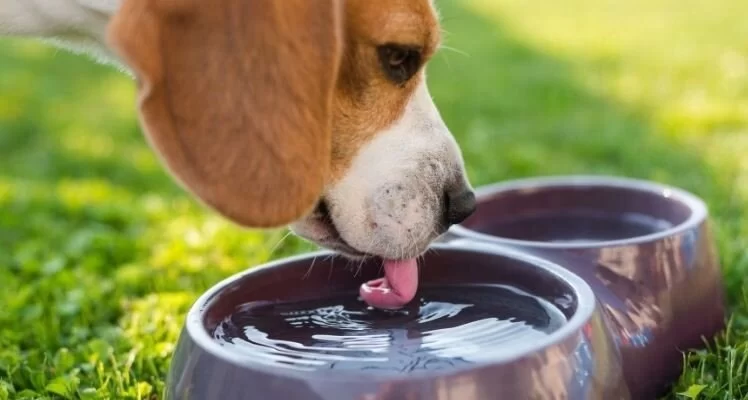
If you’ve noticed your dog drinking more water than usual or urinating more frequently, it could be a sign of an underlying health issue. Excessive thirst and urination in dogs, also known as polydipsia (excessive drinking) and polyuria (excessive urination), are common symptoms that pet owners should not ignore. While these behaviors might seem harmless initially, they can indicate more serious health problems such as diabetes, kidney disease, or urinary tract infections (UTIs).
It’s important to monitor your dog’s hydration habits and urination patterns closely. Understanding why these changes occur can help you identify whether they are a normal part of your dog’s routine or a sign of a health concern that requires attention.
2. Possible Causes of Excessive Thirst and Urination in Dogs
Excessive thirst and urination can stem from a variety of causes, ranging from behavioral to medical issues. Here are some common reasons why your dog might be experiencing these symptoms:
- Diabetes Mellitus: One of the most common causes of excessive thirst and urination in dogs is diabetes. When a dog has diabetes, the body struggles to regulate blood sugar levels, leading to increased thirst and urination as the body tries to flush out excess glucose.
- Kidney Disease: Chronic kidney disease is another serious condition that can cause these symptoms. As the kidneys lose their ability to filter waste and maintain hydration, dogs may drink more water and urinate frequently.
- Urinary Tract Infections (UTIs): UTIs can lead to discomfort and an increased need to urinate. Dogs with UTIs may urinate more frequently, and the urine may appear cloudy, bloody, or have a strong odor.
- Cushing’s Disease: This disease affects the adrenal glands and can result in excessive thirst and urination. It is often accompanied by symptoms such as a pot-bellied appearance, weight gain, and hair thinning.
- Medications: Certain medications, especially steroids, diuretics, or tranquilizers, can increase thirst and urination in dogs. If your dog has recently started a new medication, this could be the cause.
- Behavioral Issues: In some cases, dogs may develop habits of excessive drinking or urinating due to stress or anxiety. It’s essential to rule out medical causes before assuming behavioral factors are at play.
3. Diagnosing Excessive Thirst and Urination in Dogs
If you notice your dog drinking more water or urinating more frequently than usual, it’s important to consult your veterinarian for a thorough evaluation. Diagnosing the underlying cause often involves a combination of tests and examinations, including:
- Physical Exam: Your vet will start with a physical exam to check for any noticeable signs of illness, dehydration, or weight loss that could indicate an underlying condition.
- Blood Tests: Blood tests are essential to check for kidney disease, diabetes, and other systemic issues that could be causing excessive thirst and urination.
- Urinalysis: A urinalysis will help your vet determine if there are any signs of infection, blood, or abnormal levels of substances like glucose in your dog’s urine.
- Ultrasound or X-rays: If your vet suspects a problem with the kidneys, bladder, or other organs, imaging tests may be performed to get a better look at your dog’s internal structures.
4. How to Treat and Manage Dog Excessive Thirst and Urination
Once the underlying cause of excessive thirst and urination is identified, treatment will be tailored to your dog’s specific condition. Treatment options may include:
- Insulin Therapy for Diabetes: If your dog is diagnosed with diabetes, insulin injections are often required to regulate blood sugar levels. Your vet will guide you through the proper administration of insulin and dietary changes to manage the condition.
- Medications for Kidney Disease: For dogs with kidney disease, treatment may include special diets, medications to support kidney function, and fluid therapy to help maintain hydration.
- Antibiotics for Urinary Tract Infections: If a UTI is the cause, antibiotics will be prescribed to treat the infection. It’s important to follow the full course of treatment to ensure the infection is completely cleared.
- Cushing’s Disease Management: Treatment for Cushing’s disease may involve medications to regulate hormone levels and reduce symptoms. In some cases, surgery may be recommended.
- Behavioral Modifications: If stress or anxiety is contributing to your dog’s excessive thirst and urination, behavioral modification strategies such as calming products, anxiety medication, or environmental enrichment may be recommended.
5. When to See a Veterinarian for Excessive Thirst and Urination
If you notice that your dog is drinking more water and urinating more frequently, it’s important not to delay seeking veterinary care. Early diagnosis and treatment can prevent serious complications and improve your dog’s quality of life. Contact your vet immediately if you notice the following signs:
- Increased frequency of urination, especially during the night
- Drinking excessively, even if they are not active or exposed to hot weather
- Signs of discomfort, such as straining to urinate or bloody urine
- Loss of appetite, lethargy, or weight loss
At [Hidden Brook Veterinary], we offer comprehensive care to address your dog’s health concerns, including excessive thirst and urination. Our experienced team is here to help diagnose and treat underlying conditions, ensuring your dog stays happy and healthy.