- 1 - what-excessive-thirst-and-urination-at-night-means
- 2 - possible-medical-causes-you-shouldnt-ignore
- 3 - how-to-monitor-your-dogs-behavior-effectively
- 4 - real-cases-and-owner-experiences
- 5 - when-to-contact-a-veterinarian
- 6 - how-hidden-brook-veterinary-can-support-you
1. What Dog Excessive Thirst and Urination at Night Might Mean
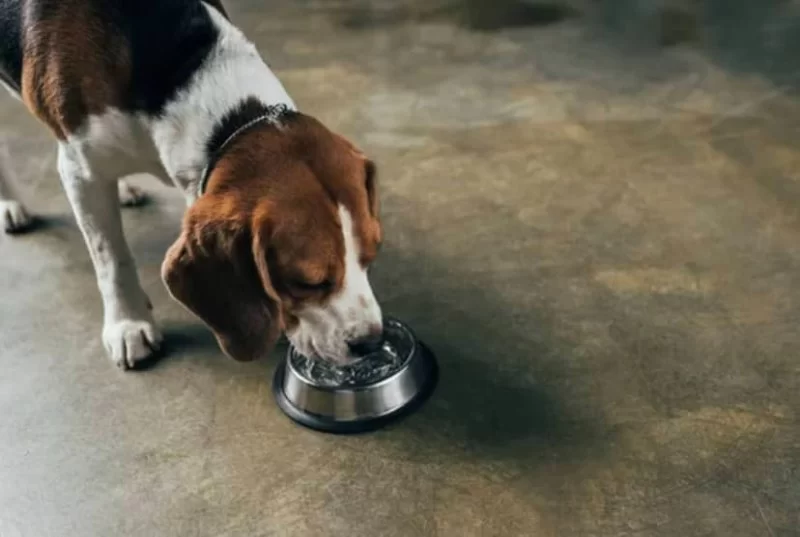
If your dog is experiencing excessive thirst and urination at night, it's more than just an inconvenience—it could be a sign of an underlying health concern. While occasional nighttime drinking might be nothing to worry about, consistent changes in your dog’s bathroom habits or thirst levels—especially during the evening hours—should raise red flags.
This behavior often goes unnoticed until it begins disturbing your household routine. But your dog may be giving you subtle signals long before you catch on. So why does it happen, and when should you be concerned?

2. Possible Medical Causes You Shouldn’t Ignore
A range of medical conditions can lead to increased thirst (polydipsia) and urination (polyuria), especially at night when the body’s natural rhythms are typically more settled. Here are some of the more common possibilities:
- Diabetes mellitus: One of the most common causes, especially in middle-aged and senior dogs. Insulin imbalances can result in increased glucose in the urine, which pulls water along with it—leading to frequent urination and thirst.
- Kidney disease: If the kidneys aren’t filtering waste effectively, your dog may try to flush toxins by drinking and peeing more.
- Cushing’s disease (hyperadrenocorticism): This hormone-related disorder often causes dogs to drink and urinate excessively, especially during nighttime restlessness.
- Urinary tract infections (UTIs): Dogs may feel the need to urinate more frequently, and discomfort could be more noticeable at night.
- Side effects of medications: Diuretics or corticosteroids commonly prescribed for other issues may lead to increased fluid intake and output.
Only a veterinarian can diagnose the exact cause through blood work, urinalysis, and possibly imaging. Acting early can make a critical difference in treatment options and outcomes.

3. How to Monitor Your Dog’s Behavior Effectively
The key to getting your dog help is consistent observation. Pet parents are often the first to notice changes, and your detailed account is crucial to your vet’s evaluation. Here’s how to stay proactive:
- Track water intake over 24 hours, especially how much your dog drinks in the evening.
- Note any accidents, pacing, or sudden awakenings during the night.
- Look for secondary symptoms like lethargy, appetite changes, or weight loss.
- Record how often your dog urinates during nighttime versus daytime.
One owner even installed a pet camera to catch their dog pacing between the water bowl and the back door several times between midnight and 5 a.m.—a clue that helped their vet catch early-stage kidney disease.
4. Real Cases and Owner Experiences
Consider the story of Rocky, a 9-year-old beagle from upstate New York. His owner noticed he was waking up to drink water and go out more than twice every night. Initially, they thought it was just aging. But when he started avoiding his food and looking lethargic during the day, they took him to Hidden Brook Veterinary.
After running blood tests, the team diagnosed early-stage diabetes. With dietary adjustments and insulin treatment, Rocky’s symptoms dramatically improved within weeks—and his nighttime wakeups stopped completely. Early detection changed the course of his health.
Stories like these remind us not to normalize unusual behavior, especially when it begins interfering with sleep patterns—for dogs or humans.
5. When to Contact a Veterinarian
While not every nighttime drink or potty break is a crisis, persistent behavior over several days or weeks warrants professional attention. If your dog’s thirst or urination has noticeably increased, don’t wait for more symptoms to appear. Many of the conditions that cause these symptoms—like kidney disease and diabetes—progress gradually and silently.
You should also seek veterinary care immediately if you notice:
- Blood in urine
- Sudden weight loss or gain
- Change in appetite
- Vomiting or signs of pain
Delaying care may limit treatment options and make symptoms harder to manage down the road.
6. How Hidden Brook Veterinary Can Support You
At Hidden Brook Veterinary, we understand how subtle behavior changes like dog excessive thirst and urination at night can indicate deeper health concerns. Our experienced team uses a combination of diagnostics, thorough physical exams, and compassionate care to get to the root of your dog’s discomfort.
Whether your pet needs a chronic care plan or a quick diagnosis to rule out serious conditions, we’re equipped with advanced tools and years of experience to guide you. We also offer follow-up monitoring, nutritional consultations, and custom hydration strategies to improve your dog’s quality of life—day and night.
If your dog is keeping you up with constant water breaks or accidents, don’t chalk it up to aging or inconvenience. Get peace of mind by scheduling a wellness check with our team. Your dog deserves restful nights and thriving health.