- understanding-dog-excessive-shedding-and-bald-spots
- common-causes-of-shedding-and-hair-loss-in-dogs
- how-to-distinguish-normal-shedding-from-a-problem
- real-case-buddy-the-labrador-and-his-balding-patch
- what-to-do-when-you-see-hair-loss-in-your-dog
1. Understanding Dog Excessive Shedding and Bald Spots
1.1 Is Shedding Normal or Not?
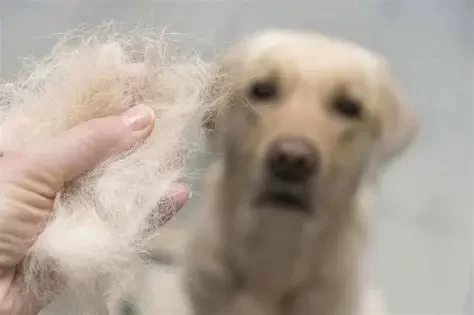
All dogs shed to some degree—it's part of their normal hair growth cycle. However, when shedding becomes excessive or results in bald spots, it may signal an underlying health issue that requires attention. This can range from dietary deficiencies to skin infections or more serious internal disorders.
1.2 Why It Matters
Shedding is often seen as just a nuisance, especially for pet parents cleaning up tufts of fur on the floor. But when it leads to visible patches of hair loss, it’s not just a grooming issue—it can reflect your dog’s health. Recognizing when shedding becomes a concern is key to acting early and ensuring your dog stays happy and comfortable.

2. Common Causes of Shedding and Hair Loss in Dogs
2.1 Allergies and Environmental Triggers
Dogs can develop allergies to food, pollen, dust mites, or even flea bites. These allergies often manifest through itchy skin and hair loss, especially around the legs, tail base, and ears. Seasonal shedding may spike if pollen counts are high or your dog has a sensitivity to new foods.
2.2 Medical Conditions
Conditions like hypothyroidism, Cushing’s disease, or mange can lead to excessive shedding and bald spots. Hypothyroidism often results in a dull coat and hair loss along the trunk, while mange causes intense itchiness and patchy fur. Infections—bacterial or fungal—can also lead to hair loss in localized areas.
2.3 Nutrition Deficiencies
A lack of essential nutrients like omega-3 fatty acids or proteins can directly impact your dog’s coat health. Cheap kibble or unbalanced homemade diets may cause thinning fur, dull color, or bald patches over time. Ensuring your dog gets high-quality food is the foundation of coat health.
3. How to Distinguish Normal Shedding From a Problem
3.1 Seasonal vs. Excessive Shedding
Shedding is heaviest during spring and fall. If the shedding is symmetrical, without skin irritation or visible wounds, it’s likely normal. On the other hand, excessive shedding combined with bald spots, redness, or constant licking or scratching should raise concern.
3.2 Key Signs of Problematic Hair Loss
Watch for uneven hair loss, scabbing, bad odor from the skin, or changes in behavior such as restlessness or constant grooming. These symptoms may signal a health issue that requires immediate veterinary care.
4. Real Case: Buddy the Labrador and His Balding Patch
4.1 What Happened to Buddy?
Buddy, a 6-year-old Labrador retriever, began shedding more than usual last spring. At first, his owner thought it was seasonal. But when a large patch on his back became bald, they visited Hidden Brook Veterinary. Tests revealed a thyroid imbalance and early-stage skin infection. With treatment and a new diet, Buddy’s coat returned to its full shine within eight weeks.
4.2 The Takeaway
Buddy’s case shows how important it is not to dismiss excessive shedding. What seems like a mild inconvenience may actually be your dog’s way of signaling internal issues. Early intervention can make all the difference.
5. What to Do When You See Hair Loss in Your Dog
5.1 Don’t Panic—But Don’t Ignore It
The first step is to observe patterns: where is the hair loss? Is the skin beneath irritated or inflamed? Has anything in your dog’s diet or environment recently changed? These questions can help your vet pinpoint the root cause.
5.2 Get Expert Help Fast
If your dog is losing hair rapidly or seems uncomfortable, consult a veterinarian immediately. The team at Hidden Brook Veterinary can help with thorough diagnostics—from allergy testing to hormone evaluation—and provide tailored treatments to restore your dog’s coat health.
5.3 Long-Term Coat Care
Use high-quality food, regular grooming, and gentle shampoos designed for dogs with sensitive skin. Keep stress levels low and parasite control up to date. A holistic approach ensures both coat and overall health stay strong.