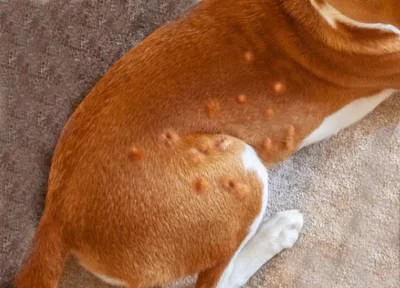
- understanding-dog-excessive-scratching-on-body - Understanding Dog Excessive Scratching on Body
- common-medical-and-environmental-triggers - Common Medical and Environmental Triggers
- behavioral-factors-and-compulsive-scratching - Behavioral Factors and Compulsive Scratching
- case-spotlight-maxs-relief-journey - Case Spotlight: Max’s Relief Journey
- when-to-seek-veterinary-help-and-what-to-expect - When to Seek Veterinary Help and What to Expect
1. Understanding Dog Excessive Scratching on Body
It’s not unusual for dogs to scratch occasionally—but when scratching becomes constant, intense, or localized, it often points to an underlying problem. Dog excessive scratching on body is more than a surface-level issue; it can be a sign of discomfort, skin damage, allergies, or even stress.
Pet owners often overlook early signs—mild rubbing, licking paws at night, or head shaking. Recognizing these signs early can prevent small irritations from turning into full-blown dermatological conditions. Keeping your dog’s skin healthy is not just about comfort—it's about overall well-being.

2. Common Medical and Environmental Triggers
2.1 Allergies: The Leading Cause
Allergic reactions—whether to food, pollen, or fleas—are among the most common culprits. Dogs with food sensitivities often exhibit persistent scratching around their ears, paws, and belly. Environmental allergies, especially during spring and fall, can mimic similar symptoms.
Hidden Brook Veterinary often sees a spike in allergy-related visits during these seasons. Vets may recommend hypoallergenic diets, topical treatments, or antihistamines depending on severity.

2.2 Parasites and Skin Infections
Fleas, ticks, and mites can cause intense irritation. Even if you don’t spot fleas, their bites can trigger allergic dermatitis. Fungal or bacterial skin infections, like ringworm or staph, can also result in dog excessive scratching on body. These usually require targeted medication, often after skin scrapings or cultures confirm the infection.
2.3 Environmental Factors
Changes in humidity, household cleaning agents, new carpets, or even laundry detergents can affect a dog’s skin. These triggers are especially problematic for indoor dogs exposed to synthetic materials or chemical fragrances.
3. Behavioral Factors and Compulsive Scratching
3.1 Stress, Boredom, and Anxiety
Dogs are emotional creatures. If your dog is scratching excessively with no visible skin irritation, it might be behavioral. Dogs left alone for long hours or experiencing major life changes—such as moving homes or a new pet—might redirect anxiety into compulsive behaviors like licking or scratching.
3.2 Understanding the Root of the Habit
Behavioral scratching is repetitive, focused on specific spots, and often gets worse at night or when the owner is away. This is different from scratching due to skin irritation, which is usually more generalized and accompanied by redness or bumps.
In such cases, calming aids, enrichment toys, or working with a behaviorist can make a significant difference. Hidden Brook Veterinary recommends ruling out physical causes before treating scratching as behavioral.
4. Case Spotlight: Max’s Relief Journey
Max, a 4-year-old Golden Retriever from Illinois, became the center of concern when he began scratching his chest raw during the winter. Initially thought to be dry skin, his condition worsened despite over-the-counter creams. His owner turned to Hidden Brook Veterinary, where a thorough allergy test revealed sensitivity to wool and chicken-based kibble.
After switching to a limited-ingredient diet and hypoallergenic bedding, Max showed improvements within two weeks. Regular medicated baths and a moisturizing skin spray helped fully restore his coat. Max’s case is a reminder that every scratch has a story—and a solution.
5. When to Seek Veterinary Help and What to Expect
5.1 Signs That Warrant Immediate Attention
If your dog is breaking skin, losing fur in patches, whining while scratching, or has open sores—get them to a vet as soon as possible. Left untreated, minor issues can become infected, leading to more serious complications like hot spots or chronic dermatitis.
5.2 The Diagnostic Process
A professional evaluation at clinics like Hidden Brook Veterinary may include skin scrapings, allergy testing, or blood work. Vets also assess your dog’s environment, diet, and daily routine to identify overlooked triggers. The goal isn’t just relief—but long-term skin health.
For dogs with recurring symptoms, scheduled follow-ups and tailored treatment plans are essential. Pet parents are encouraged to keep a scratch diary—logging when and where scratching happens—to help professionals pinpoint patterns.