
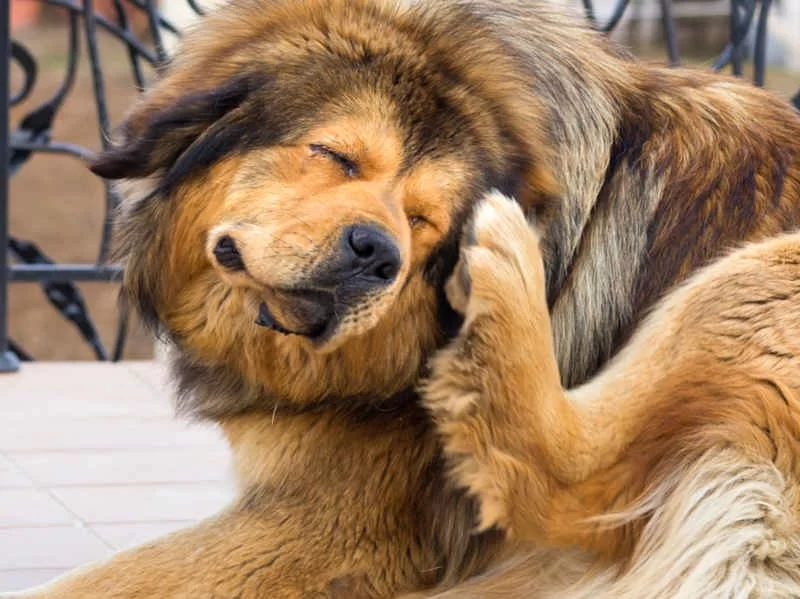
Dog Excessive Scratching Near Ears: Causes and Solutions
If your dog is scratching near its ears excessively, it could be a sign of an underlying health issue. While occasional scratching is normal for dogs, persistent scratching around the ears can indicate irritation, infection, or allergies. Understanding the causes of dog scratching and taking timely action can prevent more serious health problems. In this article, we’ll explore the most common reasons why your dog might be scratching its ears and provide solutions to help you care for your pet’s health.
- 1. Common Causes of Ear Scratching in Dogs
- 2. Ear Infections in Dogs and How to Treat Them
- 3. Allergies Leading to Itchy Ears
- 4. How to Keep Your Dog's Ears Clean and Healthy
- 5. When to Consult a Veterinarian
1. Common Causes of Ear Scratching in Dogs
There are several reasons why dogs scratch around their ears, some of which are simple to treat while others may require veterinary intervention. Below are the most common causes:
Ear Infections: Ear infections, especially in the dog’s outer ear canal, are a frequent cause of scratching. These infections can result from bacteria, yeast, or even ear mites.
Allergies: Just like humans, dogs can have allergies that affect their skin, and ears are a common area of concern. Environmental allergens such as pollen or food-related allergies can cause itching and irritation near the ears.
Ear Mites: These tiny parasites can cause intense itching and discomfort. They are especially common in puppies and can easily spread from dog to dog.

2. Ear Infections in Dogs and How to Treat Them
Ear infections are one of the most common reasons for excessive scratching near the ears. Dogs with floppy ears, like Cocker Spaniels and Basset Hounds, are more prone to ear infections due to the moisture and warmth that can accumulate in their ear canals.
Ear infections in dogs can be caused by a variety of factors including bacterial or yeast overgrowth. Common symptoms of an ear infection include redness, swelling, discharge, and a foul odor coming from the ears. To treat ear infections:
- Clean your dog's ears with a gentle ear cleaner recommended by your veterinarian.
- If necessary, administer prescribed antibiotics or antifungal medication.
- Keep your dog’s ears dry and avoid getting water in them during baths or swimming.
3. Allergies Leading to Itchy Ears
Allergies are a common cause of itching around the ears in dogs. These allergies can be triggered by various factors such as pollen, dust mites, or certain foods. If your dog is experiencing itching along with other signs of allergies, such as red eyes or a runny nose, food or environmental allergens may be the culprit.
Environmental Allergies: Dogs with seasonal allergies may begin scratching their ears more often during certain times of the year. These allergies are often triggered by pollen from trees, grasses, or weeds.
Food Allergies: Some dogs develop food allergies, and common allergens include chicken, beef, dairy, or grains. If your dog is scratching around its ears and you suspect food allergies, consult your veterinarian for an allergy test or to discuss an elimination diet.
4. How to Keep Your Dog's Ears Clean and Healthy
Prevention is key when it comes to ear health. Keeping your dog’s ears clean and free of debris can prevent infections and reduce the risk of allergies.
Regular Ear Cleaning: Regularly check and clean your dog’s ears with a safe, vet-recommended ear cleaner. Be gentle and avoid pushing anything deep into the ear canal.
Keep Ears Dry: After baths or swimming, dry your dog’s ears thoroughly to prevent moisture buildup, which can lead to infections.
Routine Vet Checkups: Regular vet visits can help detect any early signs of ear issues, and your vet may recommend treatments or preventive measures for common problems.
5. When to Consult a Veterinarian
If your dog’s scratching persists or is accompanied by other symptoms such as swelling, discharge, or a strong odor from the ears, it’s important to consult your veterinarian. A professional evaluation can help determine whether the issue is due to an infection, allergies, or another underlying health problem. Your veterinarian will provide the most effective treatment options and guide you on how to care for your dog’s ears moving forward.
By understanding the common causes of dog ear scratching and following these preventive measures, you can help keep your dog’s ears healthy and comfortable. If you’re concerned about your dog’s health or if the scratching continues, don’t hesitate to reach out to us at Hidden Brook Veterinary for expert advice and treatment options.








