- dog-excessive-panting-during-play-common-causes
- recognizing-normal-vs-abnormal-panting
- potential-health-risks-behind-heavy-panting
- when-to-seek-veterinary-help
- real-story-a-golden-retrievers-warning-sign
- tips-to-keep-your-dog-safe-during-playtime
1. Dog Excessive Panting During Play: Common Causes
It’s not unusual for dogs to pant after an energetic play session, especially in warmer weather. However, when panting becomes heavy, prolonged, or seems unusual for your dog’s normal behavior, it may be a sign that something isn’t quite right. Understanding the reasons behind dog excessive panting during play can help you take better care of your pet and prevent avoidable health issues.
1.1 Thermoregulation in Dogs
Unlike humans, dogs don’t sweat through their skin. Instead, they regulate body temperature through panting and minimal sweat through their paw pads. After playing, panting is their primary way to cool down. It’s natural—but there are limits.
1.2 Overexcitement or Stress
Sometimes dogs pant not just from physical exertion, but from excitement or anxiety. A fast-paced game or meeting a new dog might trigger this type of panting. If it’s paired with trembling, pacing, or wide eyes, stress might be the culprit.
1.3 Poor Physical Conditioning
Just like people, dogs need regular exercise to build stamina. Dogs that are overweight or don’t get much activity might start panting heavily during even moderate play. In such cases, gradual training and a healthier diet may help.
2. Recognizing Normal vs Abnormal Panting
2.1 What Normal Panting Looks Like
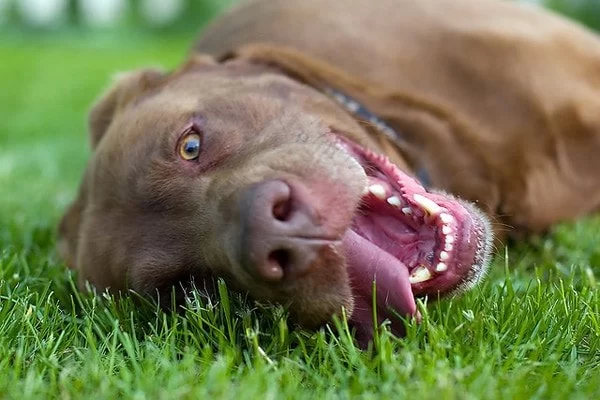
Normal post-play panting should ease after a few minutes of rest. It’s rhythmic, not strained, and your dog should still be responsive and energetic. Their tongue might be out, and breathing will slow steadily.
2.2 Warning Signs of Excessive Panting
Abnormal panting might sound raspy or shallow. If your dog’s sides are heaving dramatically or they seem disoriented, lie down often, or refuse water, this could signal trouble. Blue or pale gums also indicate low oxygen—a veterinary emergency.
2.3 Breed and Age Considerations
Some breeds, especially flat-faced ones like bulldogs and pugs, are more prone to respiratory issues. Older dogs might also pant more due to reduced stamina or age-related heart problems.
3. Potential Health Risks Behind Heavy Panting
3.1 Heatstroke
One of the most dangerous outcomes of excessive panting during play is heatstroke. Dogs can overheat quickly in hot, humid conditions. Early symptoms include heavy panting, drooling, weakness, and vomiting. Left untreated, it can be fatal.
3.2 Heart Disease
If your dog pants heavily even in mild temperatures or after short play sessions, it might be linked to heart disease. Conditions like dilated cardiomyopathy or valve disorders can reduce your pet’s ability to circulate oxygen efficiently.
3.3 Respiratory Conditions
Collapsed trachea, laryngeal paralysis, or bronchitis can all cause labored panting. If your dog often coughs or gags after exercise, these conditions may be at play. Proper diagnosis is key, which is why we recommend consulting the experienced professionals at Hidden Brook Veterinary for evaluations and tailored care.
4. When to Seek Veterinary Help
4.1 Key Signs to Watch For
If your dog shows signs like persistent panting long after play, lethargy, vomiting, diarrhea, or collapse, it’s time to call your vet. These could be signs of heatstroke, poisoning, or organ dysfunction.
4.2 How Vets Diagnose the Problem
Veterinarians often begin with a physical exam, blood work, and chest x-rays. In some cases, they may recommend a cardiac ultrasound or pulmonary function tests to rule out underlying health conditions.
4.3 Prevention is Better Than Cure
Routine wellness exams, especially for older dogs or those with chronic conditions, are essential. At Hidden Brook Veterinary, our team specializes in early detection and prevention, helping you keep your dog safe during all play seasons.
5. Real Story: A Golden Retriever’s Warning Sign
One summer afternoon, a client brought in a four-year-old Golden Retriever named Bella who had collapsed after playing fetch in the yard. Her breathing was labored, and her gums had a pale tint. Fortunately, her owner noticed the unusual panting early and rushed her in. Bella was diagnosed with early-stage heatstroke and made a full recovery thanks to quick action.
It was a stark reminder that even healthy, athletic dogs can suffer in the heat—and that attentive pet parents make all the difference.
6. Tips to Keep Your Dog Safe During Playtime
6.1 Adjust Playtime Based on Weather
Avoid intense play sessions during peak heat hours. Early mornings or evenings are better, and always ensure access to shade and clean water. Cooling vests or mats can also help.
6.2 Watch and Learn Your Dog’s Limits
Each dog is different. Some are natural sprinters, others tire quickly. Learn to read your dog’s signs of fatigue or discomfort. It’s okay to pause playtime or cut it short.
6.3 Seek Expert Advice Regularly
If you’re unsure whether your dog’s panting is normal, consult with a veterinary professional. At Hidden Brook Veterinary, we provide not only diagnostics but also guidance on exercise routines tailored to your dog’s breed, age, and health condition.