- understanding-normal-vs-excessive-genital-licking – Understanding Normal vs. Excessive Genital Licking
- common-causes-behind-genital-licking-in-dogs – Common Causes Behind Genital Licking in Dogs
- real-case-how-luna-s-licking-signaled-a-urinary-issue – Real Case: How Luna’s Licking Signaled a Urinary Issue
- when-to-worry-signs-of-a-deeper-health-problem – When to Worry: Signs of a Deeper Health Problem
- helping-your-dog-feel-better-at-home – Helping Your Dog Feel Better at Home
- why-vet-care-matters-hidden-brook-veterinary – Why Vet Care Matters: Hidden Brook Veterinary
1. Understanding Normal vs. Excessive Genital Licking
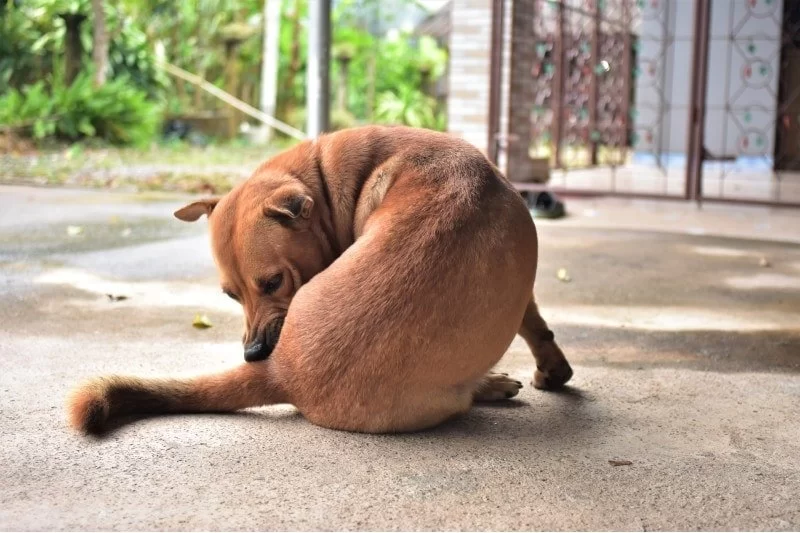
It’s perfectly natural for dogs to groom themselves, including the genital area. But when the behavior becomes frequent, obsessive, or is accompanied by signs of discomfort, it may indicate a health issue.
If you're wondering about dog excessive licking of genital area, the key is to observe how often it happens and whether it's paired with other changes—like whining, restlessness, or red, inflamed skin. What seems like a simple habit may actually be your dog trying to self-soothe a deeper problem.
2. Common Causes Behind Genital Licking in Dogs
There are several reasons why a dog may suddenly begin licking their genital area more than usual:
Urinary tract infection (UTI): One of the most common culprits. UTIs cause irritation, leading dogs to lick in response to discomfort.
Allergies or skin irritation: Environmental or food allergies can cause inflammation around the genitals.
Injury or insect bite: A minor scratch or bug bite can create localized pain or itching.
Reproductive issues: Female dogs in heat or males with prostate issues may exhibit increased licking.
Behavioral or anxiety-related causes: Stress or boredom can manifest as compulsive grooming behavior, especially in high-strung breeds.
3. Real Case: How Luna’s Licking Signaled a Urinary Issue
Luna, a two-year-old Golden Retriever, began licking her vulva several times an hour. Her owner initially dismissed it as heat-related behavior, but when the licking became frantic and she started having accidents indoors, they brought her to Hidden Brook Veterinary.
After a urinalysis, Luna was diagnosed with a mild UTI and treated with antibiotics. Within days, her licking stopped entirely. Her case is a reminder that seemingly small changes in behavior can reveal significant medical needs.
4. When to Worry: Signs of a Deeper Health Problem
Excessive licking should prompt a vet visit if any of the following are present:
– Redness, swelling, or discharge from the genital area
– Difficulty urinating or frequent attempts without output
– Whining, restlessness, or signs of pain during urination
– Strong or foul odor
– Behavioral changes such as hiding or irritability
These signs may indicate infection, inflammation, or even underlying hormonal issues. Left untreated, they can escalate into more serious conditions.
5. Helping Your Dog Feel Better at Home
While waiting for a vet appointment, you can take steps to ease your dog’s discomfort:
– Keep the genital area clean with a damp, unscented cloth (never use harsh soaps).
– Prevent over-licking by using an e-collar or inflatable collar to avoid skin damage.
– Offer distractions such as puzzle toys to minimize anxiety-driven licking.
However, these are temporary solutions. If the behavior persists, professional care is essential to address the root cause.
6. Why Vet Care Matters: Hidden Brook Veterinary
At Hidden Brook Veterinary, we understand that a behavior like dog excessive licking of genital area may seem minor at first—but it often points to something bigger. Our diagnostic tools and experienced staff help identify whether your dog’s licking is behavioral, allergic, infectious, or more complex.
We also offer targeted treatments, including allergy testing, urinary analysis, and gentle topical care products selected for sensitive canine skin. If your dog has started licking excessively, don’t wait for symptoms to worsen.
Let Hidden Brook Veterinary help you uncover the cause and restore your dog’s comfort and health with personalized, compassionate care.