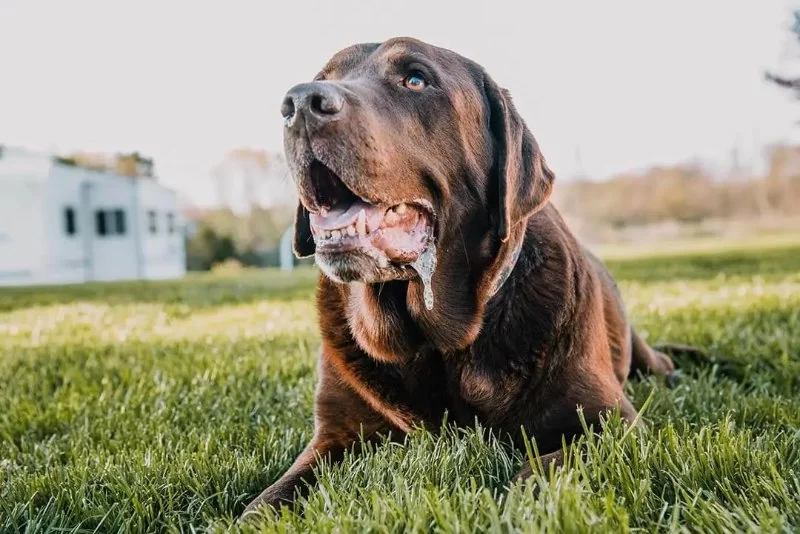
Understanding Dog Excessive Drooling with Bad Breath: Causes and Solutions
- why-drooling-and-bad-breath-happen-together – Why Drooling and Bad Breath Happen Together
- oral-health-is-often-the-culprit – Oral Health Is Often the Culprit
- less-obvious-medical-triggers – Less Obvious Medical Triggers You Shouldn't Ignore
- real-dog-owner-experience – A Real Story: What One Dog Owner Learned the Hard Way
- when-to-see-the-vet – When to See the Vet for Drooling and Bad Breath
- proactive-care-matters – Proactive Care and How Hidden Brook Veterinary Can Help
1. Why Drooling and Bad Breath Happen Together
It’s not unusual for dogs to drool occasionally, especially around food or when they’re excited. But when excessive drooling is paired with bad breath, it can point to underlying issues that require attention. This combination is more than just an annoyance—it could be a red flag for your dog’s health.

2. Oral Health Is Often the Culprit
The most common cause of dog excessive drooling with bad breath is poor oral hygiene. Plaque and tartar buildup can lead to gum infections, tooth decay, and even periodontal disease. These dental issues irritate your dog’s mouth, triggering more saliva production and causing that distinctive bad odor.
Rotten or broken teeth can also contribute. If your dog winces when chewing, avoids dry kibble, or paws at their face, it's worth examining their mouth—or better, having a vet do it. Regular brushing and professional dental cleanings are essential for prevention.
3. Less Obvious Medical Triggers You Shouldn't Ignore
While dental disease is the top suspect, other serious conditions can also lead to this symptom pairing. Oral tumors, kidney disease, gastrointestinal issues, or ingestion of toxic substances can all cause excessive salivation and halitosis. Sometimes the problem stems from a foreign object lodged in the mouth or throat—like a stick, bone shard, or toy fragment.
If the bad breath is unusually foul, or if drooling is accompanied by vomiting, lack of appetite, or lethargy, these may signal a more systemic problem. In such cases, prompt veterinary evaluation is critical.
4. A Real Story: What One Dog Owner Learned the Hard Way
Jessica, a dog mom from North Carolina, noticed her Labrador, Duke, had been drooling heavily for a week. She brushed it off until the smell from his mouth became unbearable. When Duke finally stopped eating, Jessica took him to the vet—only to discover a decaying molar and a large ulcer on his gum line. After surgery and a recovery period, Duke bounced back. Jessica now swears by monthly mouth inspections and chew-based dental treats.
This case shows how early action can save your dog from unnecessary pain—and possibly save you from major vet bills.
5. When to See the Vet for Drooling and Bad Breath
If your dog’s bad breath doesn’t improve with brushing or dental chews, or if the drooling seems more than usual, it’s time for a professional assessment. Vets can identify hidden infections, conduct lab tests for internal conditions, and perform dental exams under sedation for a thorough look. Early diagnosis means better treatment outcomes.
Don’t wait for symptoms to worsen. Chronic drooling and persistent bad breath are never just “normal dog things.”
6. Proactive Care and How Hidden Brook Veterinary Can Help
Routine dental care, annual checkups, and an attentive eye at home can keep your dog’s mouth healthy and breath fresher. At Hidden Brook Veterinary, we offer full-service dental cleanings, oral X-rays, and treatment plans tailored to your pet’s needs. We’ve helped countless dogs regain comfort—and confidence in those puppy kisses!
If you're noticing dog excessive drooling with bad breath in your own pet, don’t guess. Let our team help you find the cause and solution that ensures your dog stays happy, healthy, and smelling sweet(er).