- 1 - Understanding Dog Excessive Drooling at Night
- 2 - Common Causes of Nighttime Drooling
- 3 - Health Issues That May Be Linked to Drooling
- 4 - Real Examples and Stories from Pet Owners
- 5 - When to Seek Veterinary Help for Nighttime Drooling
- 6 - Why Hidden Brook Veterinary Is the Right Choice for Your Dog’s Health
1 - Understanding Dog Excessive Drooling at Night
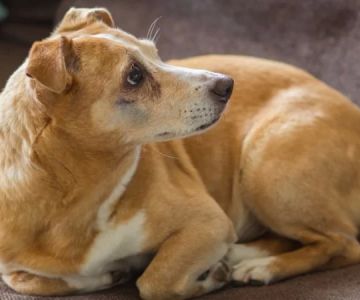
Many dog owners worry when they notice dog excessive drooling at night. While some drooling is perfectly normal, especially for breeds like Saint Bernards or Bloodhounds, excessive saliva during sleep can signal underlying issues. It’s important to distinguish between harmless drool caused by relaxation and more serious concerns that require attention.
2 - Common Causes of Nighttime Drooling
Excessive drooling during the night can be linked to simple triggers such as heat, excitement, or sleeping position. Dogs that dream intensely sometimes drool more because their muscles relax deeply. Similarly, if a dog sleeps with its head tilted downward, saliva may pool and escape more easily. However, constant or unusually heavy drooling could point to deeper problems that should not be ignored.
3 - Health Issues That May Be Linked to Drooling
Excessive nighttime drooling can sometimes indicate health issues like dental disease, oral infections, nausea, or gastrointestinal discomfort. In rarer cases, drooling could be linked to poisoning, neurological disorders, or even heatstroke. Pet owners should also consider allergies, throat obstructions, or irritations from foreign objects. Observing other symptoms such as bad breath, loss of appetite, or changes in behavior can help identify if the drooling is part of a bigger medical problem.
4 - Real Examples and Stories from Pet Owners
Online pet forums often share real-life cases where dogs experienced excessive drooling at night. One Labrador owner recounted how their dog began drooling heavily after chewing on a stick that left a splinter in its mouth. Another viral story involved a Golden Retriever whose nighttime drooling was eventually traced to acid reflux. These examples highlight that while sometimes the cause is minor, other times drooling is a signal of a more serious issue that requires prompt veterinary care.
5 - When to Seek Veterinary Help for Nighttime Drooling
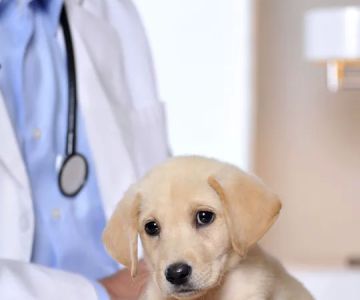
If your dog’s drooling at night is occasional and mild, it may not be a concern. However, if drooling becomes frequent, excessive, or is accompanied by other symptoms like vomiting, lethargy, or visible oral issues, veterinary attention is essential. Acting quickly ensures that any underlying condition is treated before it worsens. Professional diagnosis helps provide peace of mind and ensures your pet receives the best possible care.
6 - Why Hidden Brook Veterinary Is the Right Choice for Your Dog’s Health
When dealing with dog excessive drooling at night, expert guidance can make all the difference. Hidden Brook Veterinary specializes in diagnosing and treating a wide range of pet health concerns, from dental problems to gastrointestinal issues. With a compassionate team and advanced veterinary care, they help ensure your dog stays healthy, happy, and comfortable—both during the day and at night.