- Understanding-Normal-Dog-Drooling
- Why-Dog-Drooling-More-Than-Usual-Can-Be-Concerning
- Common-Medical-Reasons-for-Excessive-Drooling
- Behavioral-and-Environmental-Factors
- Real-Life-Case-of-Dog-Drooling
- When-to-Seek-Veterinary-Help
- How-to-Support-Your-Dogs-Health
Understanding Normal Dog Drooling
Drooling is a natural behavior in dogs, especially in breeds like Saint Bernards, Bloodhounds, or Mastiffs, which are known for producing more saliva. In these cases, dog drooling more than usual might not be a sign of illness but simply a breed trait. However, if your dog suddenly shows an increase in drooling that is out of character, it’s worth paying attention to.
Why Dog Drooling More Than Usual Can Be Concerning
Excessive saliva can be a sign that something is bothering your pet. From mild issues like anxiety or excitement to more serious concerns such as poisoning or dental infections, sudden changes in drooling habits often indicate that something is wrong. Being able to distinguish between harmless and concerning drooling helps you respond quickly and appropriately.
Common Medical Reasons for Excessive Drooling
When a dog is drooling more than usual, there are several possible medical causes. Dental diseases such as gum infections or broken teeth are among the most common. Gastrointestinal problems, like nausea or stomach upset, can also lead to increased saliva production. More serious causes include heatstroke, toxin ingestion, or organ-related illnesses. For instance, a dog that licked a household cleaning product may show sudden excessive drooling as an early warning sign of poisoning.
Behavioral and Environmental Factors
Not all drooling is caused by illness. Dogs may drool more when they’re stressed, anxious, or overly excited—like when meeting new people or seeing food. Heat and humidity can also increase drooling, as dogs regulate body temperature through panting and saliva production. Observing when and where your dog drools can provide valuable clues to whether the issue is environmental or health-related.
Real-Life Case of Dog Drooling
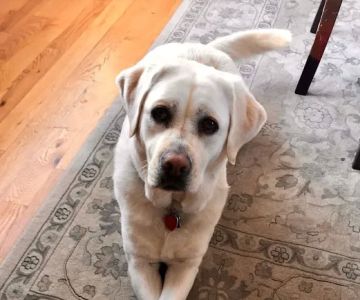
One pet owner shared a story about their Labrador retriever who began drooling excessively after a hike. At first, they assumed it was just from exertion, but the drooling persisted for hours. After visiting a vet, it was discovered that the dog had developed an oral infection from a small cut in the mouth. With prompt treatment, the dog recovered fully. Cases like these emphasize why paying attention to changes in your dog’s drooling habits is essential.
When to Seek Veterinary Help
If your dog is drooling more than usual and shows additional symptoms—such as vomiting, lethargy, loss of appetite, or difficulty swallowing—it’s time to contact a veterinarian immediately. Early intervention can prevent small problems from turning into life-threatening conditions. At Hidden Brook Veterinary, experienced professionals can diagnose the root cause and provide personalized care for your pet.
How to Support Your Dog’s Health
Supporting your dog’s health means being observant and proactive. Regular dental check-ups, keeping dangerous substances out of reach, and providing a stress-free environment can help minimize risks of unusual drooling. Consistency in care not only improves your dog’s well-being but also ensures peace of mind for you as a pet owner. If drooling seems unusual, don’t wait—seek guidance from experts to protect your pet’s health.