- why-dogs-may-struggle-to-move-after-play - Why dogs may have difficulty moving after playtime
- muscle-fatigue-vs-underlying-injury - Understanding muscle fatigue vs. potential injury
- how-age-and-breed-affect-post-play-recovery - How age, breed, and physical condition impact post-play recovery
- what-to-do-when-your-dog-is-slow-or-stiff - What to do when your dog shows signs of stiffness or limping
- real-cases-of-post-play-mobility-issues - Real stories of dogs with difficulty moving after active play
- when-to-see-a-vet-and-where-to-go - When to see a vet and where to get professional help
1. Why dogs may have difficulty moving after playtime
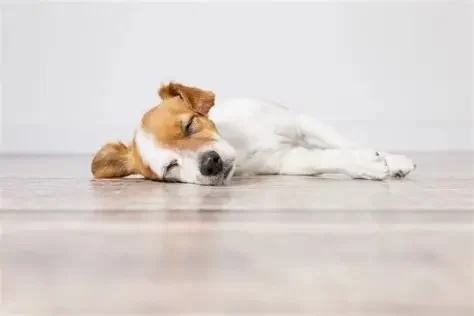
Playtime is essential for a dog’s physical and mental health—but when your dog suddenly has difficulty moving after play, it can be alarming. This might show up as stiffness, limping, or hesitation to climb stairs or jump into the car. In some cases, dogs may lie down and refuse to get up, pant heavily, or show visible discomfort.
It’s not always cause for panic. Sometimes it's simple post-exercise fatigue, but other times it can be a sign of strain, sprains, or underlying conditions that require more attention. Knowing how to spot the difference matters.

2. Understanding muscle fatigue vs. potential injury
2.1 What is normal muscle fatigue?
Just like humans, dogs can experience muscle soreness after vigorous activity. A game of fetch or chasing around the yard might leave your dog happily tired but slightly stiff. This typically resolves within 24–48 hours with rest and hydration.
621 Larpenteur Ave W, Roseville, MN 55113, USA
See Details2.2 When it's more than just soreness
If your dog continues to limp, struggles to stand, cries out when touched, or shows swelling in joints or muscles, these could be signs of something more serious—such as a soft tissue injury, ligament damage, or joint inflammation.
2.3 Breeds prone to joint issues
Larger breeds like Golden Retrievers, German Shepherds, and Labradors are more prone to joint stress after intense play. Small breeds can experience luxating patella or spinal issues that flare up after sudden bursts of energy.
3. How age, breed, and physical condition impact post-play recovery
3.1 Puppies vs. senior dogs
Puppies often bounce back quickly, but their developing bones and joints are more vulnerable to overexertion. On the flip side, senior dogs may move stiffly after even moderate play due to arthritis or age-related muscle loss. The same amount of play can have vastly different impacts.
3.2 Fitness levels and weight
Overweight dogs are at higher risk for post-activity pain and injury. In contrast, well-conditioned dogs with strong muscles and flexible joints typically recover faster. If your dog has been sedentary and suddenly engages in high-energy play, soreness is more likely.
3.3 Watch for delayed reactions
In many cases, a dog may seem fine immediately after play but begin to slow down or show signs of discomfort hours later. This delayed soreness can be confusing but is often the result of micro-strains and temporary fatigue.
4. What to do when your dog shows signs of stiffness or limping
4.1 Offer rest and observe
Allow your dog to rest in a quiet, comfortable place. Avoid further activity until you’ve seen improvement. Monitor how your dog gets up, walks, and reacts to gentle handling. Light massage or warm compresses may help ease minor soreness.
4.2 Use cooling and heating therapies
If there's swelling, a wrapped cold pack applied for 10–15 minutes can help reduce inflammation. Later, a warm compress may loosen stiff muscles. Never apply heat to visibly swollen areas, as it could worsen inflammation.
4.3 When rest isn’t enough
If your dog doesn’t improve within 48 hours, or shows signs like trembling, yelping, loss of appetite, or inability to walk, it’s time to consult a veterinarian. These could point to underlying orthopedic or neurological concerns.
5. Real stories of dogs with difficulty moving after active play
One dog parent, Rachel, shared her story of Max, a 4-year-old Border Collie. After a long day at the park, Max refused to get up the next morning. “He wasn’t crying, but he just wouldn’t move,” she said. A quick trip to the vet revealed a strained muscle near the hip—a few days of rest and some anti-inflammatory medication got him back on his paws.
Another case involved Lulu, a senior pug, who began limping after a short walk. “It was so sudden,” her owner Alex explained. Lulu was diagnosed with early arthritis, and her routine was adjusted. With tailored supplements and guided playtime, she’s now active with fewer setbacks.
6. When to see a vet and where to get professional help
6.1 Know the red flags
Don’t ignore repeated difficulty moving, changes in gait, whining, dragging limbs, or visible joint swelling. These signs can indicate sprains, fractures, or even spinal issues. Early diagnosis ensures faster recovery and prevents chronic complications.
6.2 Personalized care matters
At Hidden Brook Veterinary, professionals provide hands-on evaluations and personalized treatment plans for dogs experiencing post-play mobility issues. Whether it’s a mild strain or a more complex orthopedic condition, getting the right care makes all the difference.
6.3 Prevention is part of play
To reduce risk, warm up your dog with light movement before intense play, keep sessions age-appropriate, and maintain a healthy weight and fitness level. Play should energize, not injure. With the right approach, your dog’s playtime will remain joyful—and pain-free.