- cat-vomiting-more-frequently-than-normal-causes-to-consider
- distinguishing-occasional-vomiting-from-chronic-issues
- common-triggers-for-increased-vomiting-in-cats
- when-to-consult-a-veterinarian
- real-case-luna-the-tabby-with-unexpected-diagnosis
- how-to-help-a-cat-that-vomits-frequently
1. Cat Vomiting More Frequently Than Normal: Causes to Consider
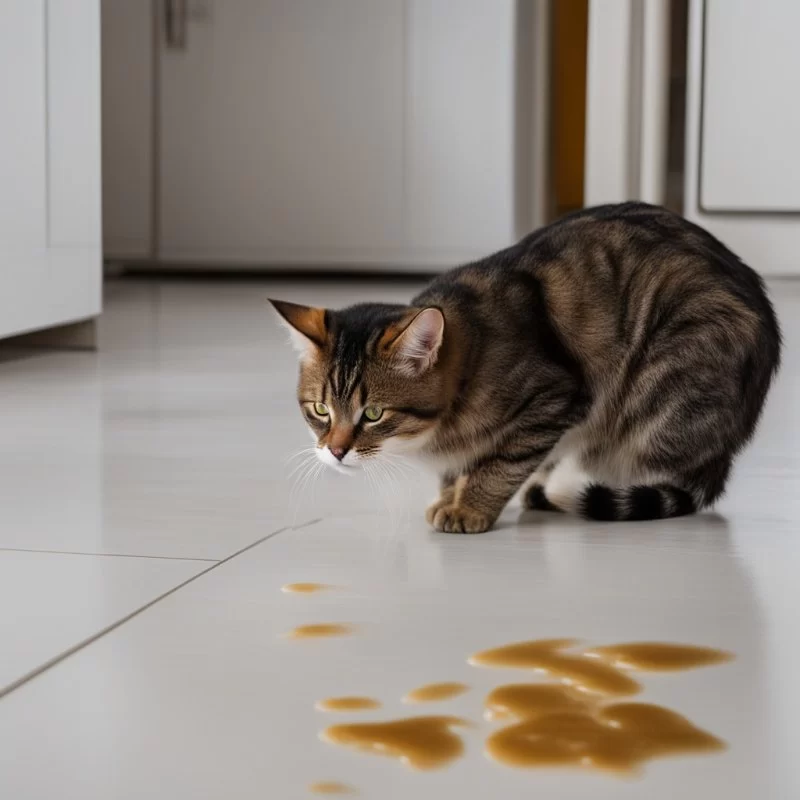
It’s not uncommon for cats to vomit occasionally—especially after a hairball or a too-quick meal. But if your cat is vomiting more frequently than normal, it could be a red flag for something more serious. Understanding the underlying causes and how to respond is essential for your cat's health and comfort.

1.1 What's Normal vs. What's Not
Most healthy cats may vomit once every few weeks without concern. However, when vomiting becomes a weekly or even daily occurrence, it’s time to investigate deeper. Is the vomit foamy, full of undigested food, or tinged with bile or blood? These clues can help determine what’s going wrong.

2. Distinguishing Occasional Vomiting from Chronic Issues
2.1 Acute vs Chronic Vomiting
Acute vomiting happens suddenly and may last a day or two, often caused by dietary indiscretion or minor infections. Chronic vomiting, on the other hand, occurs repeatedly over time and may point to issues like inflammatory bowel disease (IBD), kidney problems, or even cancer.
2.2 Behavioral and Environmental Context
Has your cat recently changed food? Is there stress in the home, such as moving or new pets? Behavioral and environmental factors can contribute to increased vomiting, especially in sensitive cats.
3. Common Triggers for Increased Vomiting in Cats
3.1 Diet-Related Causes
Sudden changes in diet, low-quality food, or food allergies are common reasons cats vomit more than usual. Cats can develop intolerances to ingredients like chicken or grains, even if they've eaten them for years. Overeating or eating too quickly can also upset their stomach.
3.2 Hairballs or Gastrointestinal Obstruction
While occasional hairballs are normal, excessive vomiting due to hair accumulation in the digestive tract may require medical intervention. In some cases, what seems like hairball vomiting could actually be due to partial obstructions or motility disorders.
3.3 Parasites and Infections
Internal parasites like roundworms or giardia can cause gastrointestinal distress and frequent vomiting. Likewise, viral or bacterial infections can irritate the stomach lining and trigger recurring symptoms.
3.4 Underlying Diseases
Conditions such as hyperthyroidism, chronic kidney disease, pancreatitis, or liver issues are all known to cause vomiting. These often require lab tests and professional treatment. Hidden Brook Veterinary offers advanced diagnostics to uncover and treat such conditions effectively.
4. When to Consult a Veterinarian
4.1 Warning Signs That Require Immediate Attention
Call your vet if your cat’s vomiting is accompanied by lethargy, weight loss, diarrhea, dehydration, or refusal to eat. These could indicate serious health issues. Bloody vomit or projectile vomiting are always emergencies.
4.2 The Importance of Proper Diagnosis
At-home observation is helpful, but it’s not enough. Diagnostic imaging, blood tests, and fecal analysis can identify the real cause behind the vomiting. Professionals like those at Hidden Brook Veterinary offer both thorough assessments and gentle handling for anxious cats.
5. Real Case: Luna the Tabby with Unexpected Diagnosis
Jennifer, a local client, noticed her cat Luna had started vomiting every morning before breakfast. Initially, she thought it was hunger-related or due to hairballs. But when the vomiting didn’t stop even after dietary changes, she brought Luna to Hidden Brook Veterinary.
After diagnostic tests, Luna was diagnosed with early-stage hyperthyroidism. Thanks to early intervention and a tailored treatment plan, Luna is now thriving, and her vomiting episodes have stopped entirely.
This story underscores the value of not ignoring “mild” but recurring symptoms in cats.
6. How to Help a Cat That Vomits Frequently
6.1 Monitor and Record Behavior
Keep a vomiting diary: note the time, content, and any food or behavior changes. This information can be extremely helpful for your vet during consultations.
6.2 Adjust Diet and Feeding Routine
Try smaller, more frequent meals. Use puzzle feeders to slow down eating. Switch to a limited-ingredient or prescription diet if advised by your vet. Avoid giving treats or table scraps until the issue is resolved.
6.3 Professional Care is Key
While home management can help in minor cases, professional care is essential for persistent or unexplained vomiting. At Hidden Brook Veterinary, our experienced team offers personalized treatment plans based on thorough diagnostics and your cat’s individual needs.