- #understanding-cat-vomiting-and-lethargy - identifying-symptoms - when-to-take-action
- #common-medical-causes - dietary-issues - infections-and-parasites - organ-diseases
- #home-monitoring-and-initial-care - what-to-do-after-vomiting - hydration-and-diet-adjustments
- #veterinary-diagnosis-and-treatment - examination-process - tailored-treatment-plans
- #hidden-brook-veterinary-expert-guidance - preventive-care-and-products
Understanding Cat Vomiting and Lethargy
Identifying Symptoms
Cats are known for having occasional hairball incidents, but when cat vomiting and lethargic behavior occur together, it’s a strong indication that something more serious may be happening. The combination of these symptoms often points to an underlying health problem that requires immediate attention.
When to Take Action
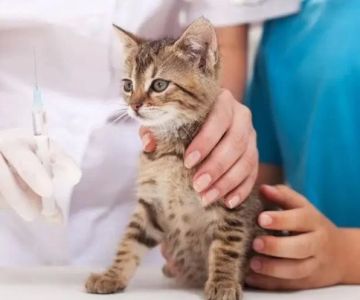
If your cat vomits multiple times within a few hours, refuses food, or appears unusually tired, it’s time to seek professional advice. Prolonged lethargy paired with vomiting can lead to dehydration and rapid health deterioration.

Common Medical Causes
Dietary Issues
Sudden changes in diet, ingestion of spoiled food, or consuming non-food objects (like string or plastic) can cause stomach upset and vomiting. Food intolerances or allergies can also lead to persistent gastrointestinal issues.
Infections and Parasites
Viral infections such as feline panleukopenia or bacterial infections can cause vomiting and lethargy. Intestinal parasites like roundworms or giardia may also trigger similar symptoms, especially in kittens or outdoor cats.
Organ Diseases
Liver disease, kidney failure, and pancreatitis are common causes of these symptoms, particularly in older cats. These conditions often require prompt diagnosis and intensive treatment to prevent serious complications.
Home Monitoring and Initial Care
What to Do After Vomiting
Remove food for several hours to allow the stomach to settle, but keep fresh water available at all times. If vomiting stops, reintroduce a bland diet such as boiled chicken or plain rice in small portions.
Hydration and Diet Adjustments
Hydration is key—consider offering water flavored with a small amount of tuna juice to encourage drinking. For cats with sensitive stomachs, feeding smaller, more frequent meals can help reduce digestive strain.
Veterinary Diagnosis and Treatment
Examination Process
Your vet will likely begin with a physical exam, followed by blood tests, X-rays, or ultrasound to determine the cause. In some cases, fecal tests are performed to check for parasites.
Tailored Treatment Plans
Treatment may involve anti-nausea medication, antibiotics, parasite control, or IV fluids for dehydration. Cats with chronic or severe illnesses may require long-term management and specialized diets.
Hidden Brook Veterinary Expert Guidance
At Hidden Brook Veterinary, we take a comprehensive approach to diagnosing and treating cats with vomiting and lethargy. Our team offers advanced diagnostics, compassionate care, and practical home-care advice. We also provide high-quality nutritional products and supplements designed to support feline digestive health and overall vitality.