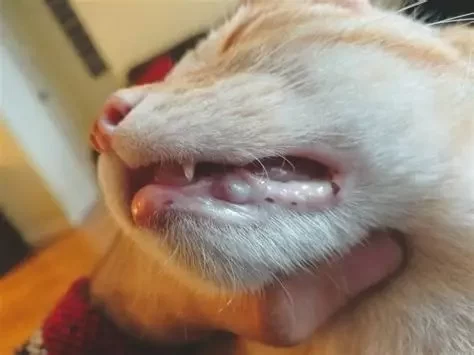
- recognizing-cat-swollen-gums-and-mouth-ulcers
- common-causes-of-oral-issues-in-cats
- symptoms-to-watch-for-at-home
- how-to-treat-cat-gum-swelling-and-ulcers
- when-to-seek-veterinary-help
1. Recognizing Cat Swollen Gums and Mouth Ulcers
Noticing your cat refusing food, drooling excessively, or pawing at their mouth can be worrying. These signs often point to a painful condition many pet owners overlook: cat swollen gums and mouth ulcers. While some cases might be mild, they can indicate deeper health issues that require prompt attention.
Cats are masters of hiding discomfort, so when oral signs become visible, the condition may already be advanced. Gum inflammation (gingivitis) and ulcers are not just painful—they can affect your cat’s overall health, including the kidneys and immune system.

2. Common Causes of Oral Issues in Cats
2.1 Feline Gingivostomatitis
One of the most severe forms of gum disease in cats, gingivostomatitis, causes inflammation throughout the mouth. This chronic condition is believed to be immune-mediated and often linked to viruses like FIV or calicivirus.

2.2 Dental Disease and Plaque Build-Up
Just like humans, cats accumulate plaque and tartar. If not addressed, this leads to periodontal disease, characterized by swollen gums and sometimes painful ulcers inside the lips and on the tongue.
2.3 Viral or Bacterial Infections
Feline calicivirus is notorious for causing painful ulcers, especially in kittens or shelter cats. Secondary bacterial infections can worsen the inflammation and delay healing.
2.4 Allergies and Autoimmune Disorders
Some cats develop oral ulcers from allergic reactions to food or environmental irritants. Autoimmune conditions like pemphigus may also present through lesions in the mouth.
3. Symptoms to Watch for at Home
Understanding early warning signs can make a significant difference in your cat’s recovery timeline. Symptoms of cat swollen gums and mouth ulcers often include:
- Red or bleeding gums
- Bad breath (halitosis)
- Loss of appetite or difficulty eating
- Drooling, often with blood
- Pawing at the mouth or face
- Visible sores on the tongue, lips, or inner cheeks
A real-life example comes from a Maine Coon named Jasper who began dropping food from his mouth and avoided dry kibble altogether. Upon examination at Hidden Brook Veterinary, multiple ulcers were found under his tongue—diagnosed as calicivirus-related stomatitis. Early intervention helped him recover fully with supportive care and pain management.
4. How to Treat Cat Gum Swelling and Ulcers
4.1 Professional Dental Cleaning
The first step in most cases is a thorough dental cleaning under anesthesia. This allows for tartar removal, evaluation of tooth health, and reduction of inflammation.
4.2 Medications and Immune Support
Treatment may include antibiotics, corticosteroids to reduce inflammation, antivirals if a virus is suspected, and immune-modulating drugs. For chronic cases, long-term medications may be necessary.
4.3 Dietary Adjustments
Switching to soft or hypoallergenic diets can reduce irritation and improve your cat’s comfort while eating. In some instances, novel protein diets are recommended to reduce allergic triggers.
4.4 Home Dental Care and Preventive Steps
After recovery, maintaining oral hygiene is key. Regular tooth brushing, dental treats, and feline-approved mouth rinses can help prevent recurrence.
5. When to Seek Veterinary Help
If your cat shows signs of oral discomfort for more than 48 hours or refuses food altogether, it's time for a vet visit. Ulcers and gum disease can lead to systemic infections if untreated.
At Hidden Brook Veterinary, their experienced team offers comprehensive dental assessments and feline-specific care plans tailored to conditions like cat swollen gums and mouth ulcers. With diagnostics, cleanings, and ongoing support, they ensure your pet’s comfort and long-term wellness.
In short, your cat’s mouth tells a story—pay attention. Catching problems early and responding with proper care can restore their comfort, appetite, and spark.