
- 1 - Understanding Cat Oral Health Problems
- 2 - Common Causes of Cat Swollen Gums and Mouth Ulcers
- 3 - Symptoms to Watch for in Your Cat
- 4 - Real-Life Cases of Cats with Swollen Gums and Ulcers
- 5 - Treatment Options and Veterinary Care
- 6 - Home Care and Prevention for Long-Term Health
- 7 - Why Professional Veterinary Care Matters
1. Understanding Cat Oral Health Problems
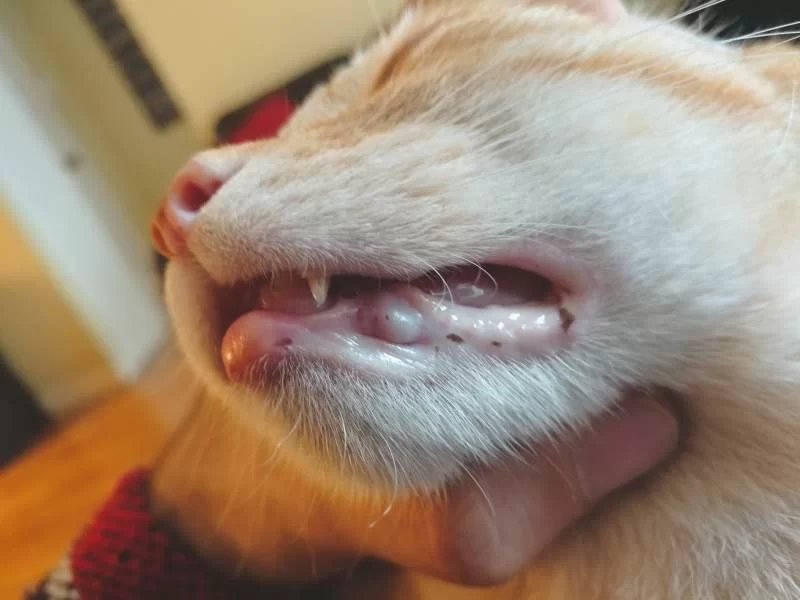
Oral health plays a critical role in a cat’s overall well-being. When a cat develops swollen gums and mouth ulcers, it is more than just a minor inconvenience—it can indicate underlying health issues that require attention. These conditions can cause significant pain, leading to difficulty eating, behavioral changes, and even systemic health problems if untreated. Pet owners often underestimate how oral discomfort impacts a cat’s quality of life, which is why awareness and early intervention are key.

86 W Juniper Ave Suite 1, Gilbert, AZ 85233, USA
See Details2. Common Causes of Cat Swollen Gums and Mouth Ulcers
There are several causes of swollen gums and ulcers in cats. Gingivitis, caused by plaque and tartar buildup, is one of the most common culprits. More severe conditions include stomatitis, a painful inflammation often linked to the immune system. Viral infections like feline calicivirus or herpesvirus can also trigger ulcers. In some cases, dietary deficiencies or underlying systemic illnesses, such as kidney disease, may lead to oral problems. Understanding these causes helps owners act quickly when symptoms arise.

3. Symptoms to Watch for in Your Cat
Recognizing the early signs of swollen gums and ulcers can prevent more serious complications. Common symptoms include excessive drooling, bad breath, reluctance to eat dry food, pawing at the mouth, and visible redness or sores inside the oral cavity. Some cats may lose weight or show irritability due to discomfort. Observant pet owners often notice behavioral shifts such as decreased playfulness or withdrawal. Monitoring these warning signs can help ensure your cat receives the care they need before conditions worsen.
4. Real-Life Cases of Cats with Swollen Gums and Ulcers
One pet owner shared the story of her rescue cat, Luna, who struggled with swollen gums and painful ulcers for months. Initially dismissed as picky eating, Luna’s condition worsened until she was brought to a clinic. Tests revealed she had chronic stomatitis, requiring long-term treatment. After professional dental cleaning and supportive care, Luna’s quality of life improved dramatically. Such cases highlight the importance of recognizing that cat swollen gums and mouth ulcers are not trivial—they require attention and can drastically affect an animal’s daily life.
5. Treatment Options and Veterinary Care
Treatment depends on the underlying cause. For gingivitis, a professional dental cleaning can remove plaque and tartar, often resolving the inflammation. Antiviral medications, antibiotics, or corticosteroids may be prescribed if infections or immune-related issues are present. In severe cases of stomatitis, tooth extractions may be necessary to alleviate chronic inflammation. Pain management and nutritional support also play a vital role in recovery. At Hidden Brook Veterinary, customized care plans are developed to ensure each cat receives the treatment that best suits their condition.
6. Home Care and Prevention for Long-Term Health
Preventing cat swollen gums and mouth ulcers often begins with consistent home care. Regular tooth brushing with cat-safe toothpaste, dental treats, and specialized diets can reduce plaque buildup. Providing clean water and a balanced diet strengthens overall health and supports oral tissues. Monitoring your cat’s mouth at home helps detect problems early. While prevention can go a long way, it does not replace the need for periodic veterinary checkups, which help catch hidden issues before they become serious.
7. Why Professional Veterinary Care Matters
While home care is essential, professional veterinary care remains the cornerstone of managing cat oral health problems. Veterinarians use advanced tools to detect issues that are invisible to the naked eye and can provide treatments not available at home. Regular dental exams, cleanings, and targeted therapies keep conditions like swollen gums and ulcers under control. Hidden Brook Veterinary emphasizes the importance of ongoing oral health management to ensure cats not only live longer but also enjoy a better quality of life free from chronic pain and discomfort.








