- 1. Understanding Cat Swollen Abdomen and Bloating
- 2. Common Causes of Swollen Abdomen and Bloating in Cats
- 3. When to Seek Veterinary Care for a Swollen Abdomen
- 4. Treatment Options for Cats with a Swollen Abdomen
- 5. Preventing and Managing Bloating in Cats
1. Understanding Cat Swollen Abdomen and Bloating
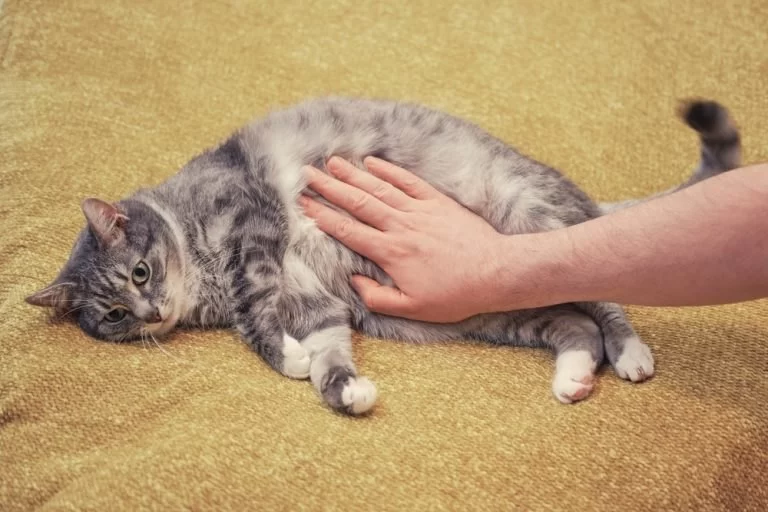
Seeing your cat with a swollen abdomen and bloating can be alarming. These symptoms are often signs that something is wrong with your cat’s health and can be associated with a variety of underlying conditions. Bloating is when your cat’s abdomen appears enlarged or distended, and it may feel firm or tight to the touch. This could be caused by fluid, gas, or internal growths.
If your cat is experiencing bloating or a swollen abdomen, it’s important to pay close attention to other signs or symptoms. The causes behind this issue can vary, so identifying the root cause early on is crucial for effective treatment.

2. Common Causes of Swollen Abdomen and Bloating in Cats
There are several potential reasons why your cat may develop a swollen abdomen or bloating. Some of these causes are more serious than others, so it’s important to monitor your cat closely and seek veterinary care if necessary. Let’s look at some of the common causes:
- Gastrointestinal Distress: Cats can develop bloating due to gastrointestinal issues, such as constipation, gas buildup, or ingested objects that cause a blockage in the intestines.
- Fluid Accumulation (Ascites): This condition occurs when fluid builds up in the abdominal cavity. It can be caused by heart disease, liver disease, or certain cancers. Ascites is often accompanied by a distended abdomen that is firm to the touch.
- Obesity: Overweight cats are more likely to develop abdominal swelling or bloating. Excess fat around the abdomen can mimic the appearance of bloating and create a swollen look. However, true bloating from internal causes should not be confused with obesity-related abdominal fullness.
- Infections or Inflammatory Conditions: Certain infections or inflammatory conditions, such as pancreatitis, can cause swelling or bloating in the abdomen. In these cases, there may be pain or discomfort associated with the bloating.
- Gastrointestinal Obstructions: If your cat has swallowed a foreign object or eaten something it shouldn’t have, it could cause a blockage that leads to bloating. This condition is serious and requires immediate veterinary intervention.
- Feline Heartworm Disease: Heartworm disease in cats can lead to swelling of the abdomen due to the buildup of fluid. The disease is often harder to detect in cats than in dogs, and symptoms may only appear once the condition has become advanced.
3. When to Seek Veterinary Care for a Swollen Abdomen
If your cat is showing signs of a swollen abdomen or bloating, it’s important to monitor their behavior closely. Seek veterinary care immediately if:
- Your cat is in pain or distress, such as crying, lethargy, or inability to move comfortably.
- The bloating appears sudden and severe, especially if it is accompanied by vomiting, diarrhea, or changes in appetite.
- You notice other unusual symptoms, like labored breathing, coughing, or changes in behavior that suggest something more serious.
- Your cat has recently ingested something that could cause an obstruction, such as small toys, plants, or non-food items.
It’s always better to err on the side of caution and have your cat checked by a veterinarian if you are unsure. Prompt intervention can prevent more severe issues from arising and help keep your cat healthy.
4. Treatment Options for Cats with a Swollen Abdomen
The treatment options for a cat with a swollen abdomen depend on the underlying cause of the bloating. Once your veterinarian has diagnosed the issue, they may recommend one or more of the following treatments:
- Fluid Drainage (for Ascites): If your cat is suffering from fluid accumulation in the abdomen, your vet may need to drain the fluid to provide relief and diagnose the underlying cause. Further treatment may involve addressing the root cause of the fluid buildup.
- Medication: If your cat has a gastrointestinal infection or inflammatory condition like pancreatitis, your vet may prescribe medications such as antibiotics or anti-inflammatory drugs to manage the condition.
- Surgery: In cases where there is a foreign object causing a blockage or a tumor causing swelling, surgery may be necessary to remove the obstruction or growth. This is often the case for more severe conditions that cannot be treated with medication alone.
- Dietary Adjustments: If bloating is due to gastrointestinal issues or constipation, your vet may recommend dietary changes to help manage your cat’s digestive health. This may include adding fiber to their diet or recommending special food to address the issue.
5. Preventing and Managing Bloating in Cats
While not all causes of a swollen abdomen in cats can be prevented, there are some steps you can take to minimize the risk of bloating and other related health issues:
- Maintain a Healthy Diet: Feed your cat a balanced, high-quality diet that is appropriate for their age, size, and health needs. Avoid overfeeding, as obesity can contribute to bloating and other health issues.
- Encourage Regular Exercise: Ensure that your cat stays active to help maintain a healthy weight and good digestive function. Regular playtime or access to outdoor spaces can help keep your cat fit.
- Monitor for Obstructions: Be cautious about what your cat has access to, especially small toys, household items, and plants that could cause a blockage. Keep harmful items out of your cat’s reach.
- Regular Veterinary Check-ups: Regular visits to the vet can help catch early signs of illness or disease before they lead to more serious conditions like bloating. This includes monitoring for heart conditions, liver disease, or gastrointestinal problems.
If your cat shows signs of bloating or a swollen abdomen, don’t hesitate to consult with a veterinarian. At Hidden Brook Veterinary, we can help you identify the underlying cause of your cat’s symptoms and provide the necessary care to ensure your pet’s health and comfort.