- understanding-cat-sudden-behavior-changes
- medical-conditions-that-trigger-aggressive-cat-behavior
- emotional-stress-and-environmental-triggers
- real-world-cases-of-cat-aggression
- how-to-respond-to-cat-aggression-effectively
- creating-a-calm-safe-space-for-your-cat
- when-to-seek-veterinary-or-behavioral-support
1. Understanding Cat Sudden Behavior Changes
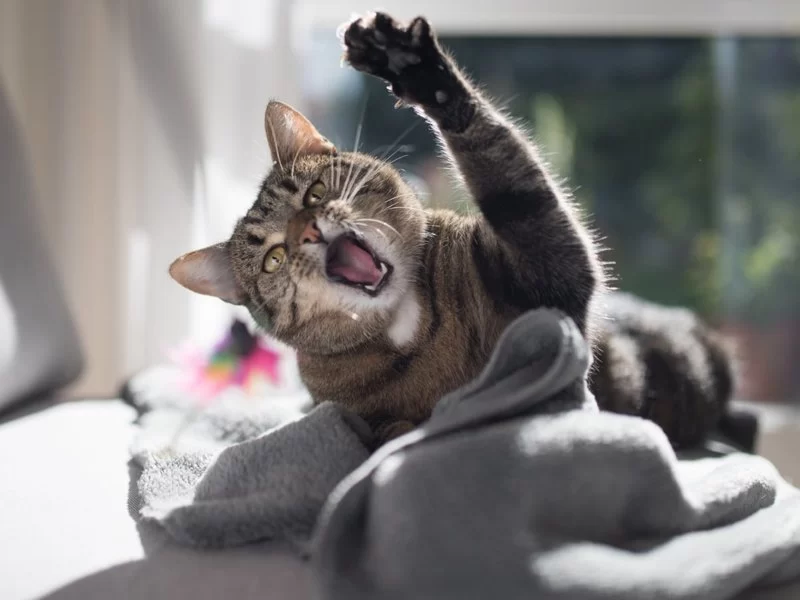
It’s unsettling when your usually affectionate cat suddenly turns aggressive or starts behaving out of character. Cats are creatures of habit, and abrupt behavior shifts—especially aggressive ones—are often a red flag. From growling and biting to hiding or refusing affection, these sudden cat behavior changes can indicate physical, emotional, or environmental stress.
Many U.S. pet owners are surprised to learn that aggression is the second most common behavioral problem reported to veterinarians, right after inappropriate elimination. Understanding the underlying reasons is crucial—not only to correct the issue but to ensure the safety of the cat and household members.
At Hidden Brook Veterinary, we often emphasize that your cat isn’t being “bad.” Aggression or erratic behavior is typically their way of communicating something is wrong—be it pain, fear, confusion, or anxiety.

2. Medical Conditions That Trigger Aggressive Cat Behavior
One of the first things you should consider when your cat exhibits sudden aggression is a medical problem. Many feline health issues manifest behaviorally before they show physical symptoms. Pain, discomfort, or neurological imbalances can cause a calm cat to suddenly lash out or retreat.
Common conditions include:
- Dental disease – Tooth pain can make a cat reactive, especially if touched near the mouth.
- Hyperthyroidism – This hormonal imbalance can increase irritability and anxiety.
- Arthritis – Chronic pain often leads to aggression when a cat is touched or picked up.
- Urinary tract infections – Often linked to sudden urination problems and irritability.
A Hidden Brook Veterinary case involved a 7-year-old Siamese named Mocha. Normally cuddly, Mocha began biting when anyone touched her lower back. A physical exam revealed severe joint inflammation and early-stage kidney disease. With appropriate treatment, her behavior normalized within weeks.

3. Emotional Stress and Environmental Triggers
Beyond physical health, cats are extremely sensitive to changes in their environment. A new pet, moving houses, construction noise, or even rearranging furniture can lead to sudden behavior changes. Territorial by nature, cats need predictability and control. When that’s disturbed, they may act out.
Some common emotional or environmental stressors include:
- New people or animals in the home
- Recent move or remodeling
- Changes in owner’s schedule
- Sudden noise like fireworks or thunder
Owners may dismiss these as minor, but to a cat, such changes can feel deeply threatening. Stress hormones like cortisol spike in response, leading to behavioral shifts. A good way to address this is to identify recent changes and slowly reintroduce a sense of routine.
At Hidden Brook Veterinary, we often recommend calming pheromone diffusers or interactive play routines to help re-establish trust and reduce anxiety.
4. Real-World Cases of Cat Aggression
Sometimes, the best way to understand a complex issue is through real-life examples. Consider Bella, a tabby brought to Hidden Brook Veterinary after attacking her owner's hands during feeding. After behavioral assessment and health screening, we discovered Bella was responding to overstimulation and mild ear mites, which made her hypersensitive to sound and touch.
Another case involved Dexter, a previously friendly Maine Coon who began hiding and hissing after the arrival of a new puppy. In Dexter’s case, the puppy’s unpredictable energy overwhelmed his space. By setting up a dog-free zone and using reward-based positive associations, Dexter gradually warmed up again.
These stories highlight how behavioral issues aren’t always about “discipline.” They’re rooted in genuine needs that, once identified, can be met with the right support and adjustments.
5. How to Respond to Cat Aggression Effectively
Reacting appropriately to your cat’s sudden aggression is key to resolving the behavior and maintaining trust. Avoid yelling, punishment, or forced interaction, as these escalate stress and may worsen aggression. Instead, follow these steps:
5.1. Remain Calm and Observant
Watch your cat’s body language: ears pinned back, dilated pupils, tail flicking, or crouching are signs of distress. Give them space rather than forcing interaction.
5.2. Keep a Behavior Log
Track when the behavior occurs and what happened right before. Patterns can help identify root causes.
5.3. Offer Safe Zones
Provide your cat with high perches, hideouts, or quiet corners to retreat and feel secure.
5.4. Use Positive Reinforcement
Reward calm behavior with treats or affection. Avoid bribery during aggression; instead, reward recovery and positive engagement.
Every cat is different. What calms one may agitate another. That’s why personalized advice, such as what we provide at Hidden Brook Veterinary, often yields the best long-term results.
6. Creating a Calm, Safe Space for Your Cat
A stressed or aggressive cat needs a calming, structured environment to recover emotionally. That starts with minimizing overstimulation—especially in multi-pet or high-traffic homes. Noise control, predictable routines, and access to vertical territory all help.
Try implementing:
- Feliway diffusers that mimic calming cat pheromones
- High-quality scratching posts and climbing towers
- Scheduled playtimes that allow energy release
- Soothing background music to drown out sudden noises
These adjustments can transform your home from a stress-triggering environment to a soothing sanctuary. Many clients of Hidden Brook Veterinary report significant changes after following our environmental modification guides.
7. When to Seek Veterinary or Behavioral Support
If your cat’s aggression continues for more than a few days, worsens, or involves injury to people or other pets, it’s time to consult a professional. At Hidden Brook Veterinary, we assess physical health, emotional wellbeing, and environmental context before creating a treatment plan.
Don’t delay help—waiting can reinforce negative behavior, making it harder to correct later. Behavior modification often involves:
- Veterinary checkups and lab tests
- Environmental and routine assessments
- Calming supplements or medications if necessary
- Behavioral therapy and training referrals
Your cat isn’t broken—they’re communicating. You just need the right team to translate. Hidden Brook Veterinary can be your partner in restoring peace and understanding in your home.