- 1. Understanding Cat Sneezing
- 2. Common Causes of Sneezing in Cats
- 3. When to Worry About Your Cat’s Sneezing
- 4. What to Do if Your Cat Sneezes Frequently
1. Understanding Cat Sneezing
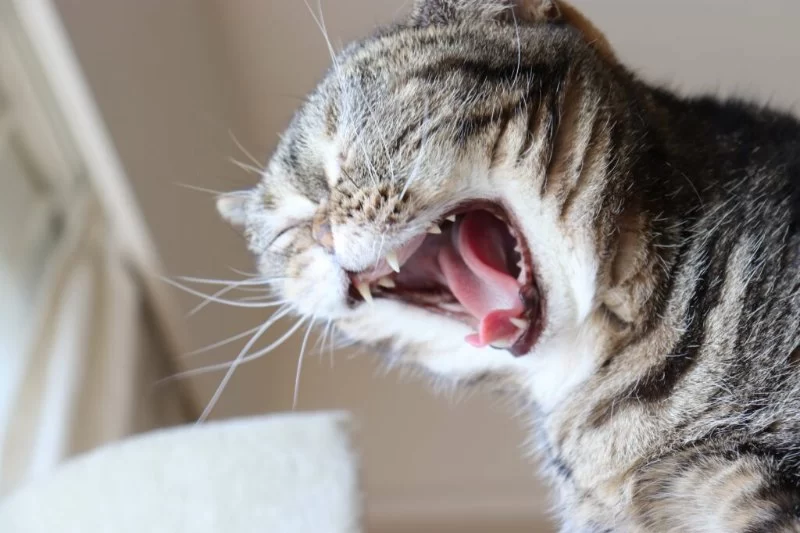
Sneezing is a common occurrence in both humans and cats, and it’s usually harmless. However, if your cat is sneezing frequently without showing any other cold-like symptoms, it can be a cause for concern. It’s essential to understand that sneezing in cats doesn’t always indicate a cold, especially if there are no additional signs such as a runny nose, fever, or lethargy.
While a single sneeze here and there is normal, frequent sneezing without the usual cold symptoms can signal a variety of issues. In this article, we will explore the possible reasons behind non-cold sneezing in cats, when you should be concerned, and what you can do to help your furry friend.

2. Common Causes of Sneezing in Cats
There are several reasons why your cat may sneeze frequently, and not all of them are related to respiratory infections. Here are some common causes of sneezing in cats that don’t involve the usual cold symptoms:
2.1 Allergies
Much like humans, cats can suffer from allergies that cause sneezing. These allergies are often triggered by environmental factors such as dust, pollen, mold, or even certain fragrances or chemicals. If your cat sneezes frequently but doesn’t show signs of a cold, allergies could be the cause. Cats may also have watery eyes, itching, or skin irritation in addition to sneezing if allergies are present.
2.2 Irritants and Airborne Particles
Cats’ sensitive noses can react strongly to irritants such as smoke, strong perfumes, cleaning products, or even certain types of litter. If your cat is frequently exposed to these irritants, it can lead to sneezing fits. You may notice sneezing episodes becoming more frequent when you use cleaning products or during specific seasons when pollen levels are high.
2.3 Foreign Objects or Dust in the Nose
Sometimes, sneezing is caused by a foreign object like dust, dirt, or even a blade of grass becoming lodged in your cat’s nasal passages. Cats are naturally curious, and they may inadvertently inhale small particles during outdoor play. This type of sneezing is typically followed by your cat trying to shake it off or sniffing their nose. If the sneezing continues for an extended period, it’s best to consult your vet.
2.4 Dental Issues
Believe it or not, dental problems can sometimes cause sneezing in cats. The upper dental roots are close to the sinuses, and if there’s an issue such as an infected tooth, it can lead to sinus inflammation and cause your cat to sneeze. If your cat has frequent sneezing along with bad breath or difficulty eating, a dental check-up is necessary to rule out oral health issues.
2.5 Upper Respiratory Infections (Non-Cold Type)
While upper respiratory infections (URIs) are often associated with cold-like symptoms, there are cases where a cat may sneeze frequently without showing other signs of a cold. Feline herpesvirus (FHV) and calicivirus are common causes of URIs in cats. While these infections can cause sneezing, they don’t always present with the typical symptoms of a cold. It’s important to monitor your cat for any changes in behavior or appetite.
3. When to Worry About Your Cat’s Sneezing
Most of the time, sneezing in cats is harmless and doesn’t require immediate attention. However, there are instances when frequent sneezing could be a sign of something more serious. Here’s when you should worry:
3.1 Prolonged or Severe Sneezing
If your cat’s sneezing lasts for more than a few days or becomes more intense, it may be time to consult a veterinarian. Prolonged sneezing could indicate an underlying infection, dental issue, or more serious respiratory problem that needs medical attention.
3.2 Presence of Discharge
In addition to sneezing, if you notice discharge coming from your cat’s nose or eyes, this could indicate an infection or another medical issue. Clear discharge may be related to allergies or irritants, while yellow or green discharge can be a sign of a bacterial infection that requires veterinary intervention.
3.3 Loss of Appetite or Lethargy
If your cat’s sneezing is accompanied by other signs such as a loss of appetite, lethargy, or difficulty breathing, it’s essential to seek veterinary care immediately. These symptoms could indicate a more serious condition, such as a respiratory infection or a systemic health issue.
4. What to Do if Your Cat Sneezes Frequently
If your cat is sneezing frequently but shows no other cold symptoms, here are some steps you can take to help them feel better:
4.1 Reduce Exposure to Allergens
If you suspect your cat is sneezing due to allergies, try to minimize their exposure to potential allergens. This may involve keeping your home clean, using air purifiers, or changing to a more natural cat litter. If possible, avoid using harsh cleaning chemicals or air fresheners around your cat.
4.2 Ensure Proper Hydration and Comfort
Keep your cat hydrated by offering fresh water regularly, as dehydration can exacerbate respiratory symptoms. Additionally, ensure they have a warm, comfortable space to rest while they recover from sneezing fits.
4.3 Visit the Vet for a Check-Up
If your cat’s sneezing continues, it’s important to consult your veterinarian. A vet will be able to perform a thorough examination, conduct any necessary tests, and diagnose the root cause of the sneezing. If an infection or dental issue is found, appropriate treatment can be provided.
For professional advice and treatment options, visit Hidden Brook Veterinary. Our experienced team is dedicated to providing the best care for your cat’s health and well-being, ensuring they get back to their playful selves in no time.