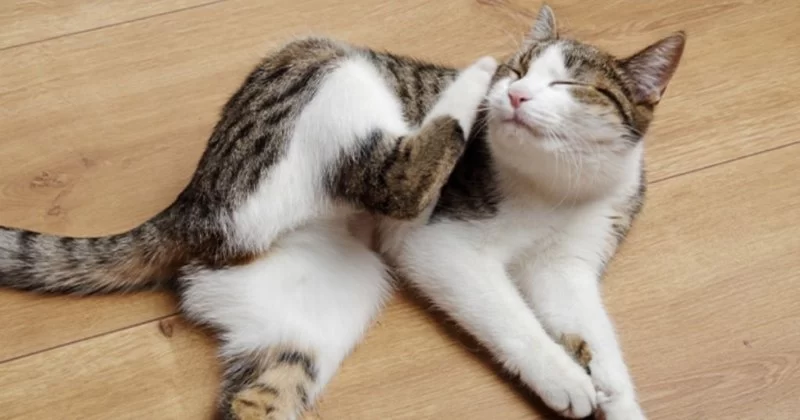
- understanding-why-cats-scratch-their-ears - Understanding Why Cats Scratch Their Ears
- common-causes-of-excessive-ear-scratching-in-cats - Common Causes of Excessive Ear Scratching in Cats
- real-cases-of-itchy-ears-and-what-happened-next - Real Cases of Itchy Ears and What Happened Next
- what-to-look-for-beyond-scratching - What to Look For Beyond Scratching
- safe-home-steps-you-can-try - Safe Home Steps You Can Try
- when-to-contact-hidden-brook-veterinary - When to Contact Hidden Brook Veterinary
1. Understanding Why Cats Scratch Their Ears
If you’ve noticed your cat scratching its ears excessively, you’re not alone. This behavior is more than just a quirk—it’s your cat’s way of signaling that something’s not quite right. While an occasional scratch is normal, persistent or intense scratching usually points to an underlying issue.
Feline ears are delicate and packed with nerve endings, so it doesn’t take much irritation to provoke a strong response. From parasites to allergies, the reasons behind the itch can vary widely, and identifying the cause is essential to help your cat feel comfortable again.

2. Common Causes of Excessive Ear Scratching in Cats
2.1 Ear Mites
These tiny parasites are one of the most common reasons for itchy ears in cats—especially kittens and outdoor cats. Ear mites feed on skin debris and wax, causing intense itching. You might see dark, crumbly debris resembling coffee grounds inside the ear.

2.2 Allergies
Food allergies or environmental allergens like dust or pollen can cause general itchiness, including around the ears. Some cats also develop contact dermatitis from shampoos, flea collars, or cleaning products.
2.3 Ear Infections
Bacterial or yeast infections often lead to redness, odor, discharge, and persistent scratching. These infections can develop due to moisture buildup, untreated ear mites, or other underlying issues.
2.4 Foreign Bodies or Injuries
Something as simple as a stray grass seed or scratch inside the ear can trigger constant irritation. In such cases, cats may tilt their head or paw at the ear more aggressively than usual.
2.5 Fungal Conditions or Growths
More rarely, a tumor or polyp inside the ear canal could be responsible. These usually require imaging and veterinary examination to diagnose and treat.
3. Real Cases of Itchy Ears and What Happened Next
One local cat named Luna was brought in to Hidden Brook Veterinary for nonstop ear scratching and head shaking. Her owner assumed it was dry skin—but it turned out to be a full-blown yeast infection caused by excess moisture from over-cleaning. A short course of antifungal treatment and a prescription ear rinse cleared it up in under two weeks.
Another case involved Max, a rescue cat whose scratching led to self-inflicted wounds. He had a severe ear mite infestation, likely picked up while living outdoors. After treatment with vet-prescribed drops, his behavior normalized—and the ear wounds healed completely within a month.
4. What to Look For Beyond Scratching
If you’re observing your cat scratch its ears excessively, keep an eye out for these additional signs:
- Head tilting or shaking
- Foul smell coming from the ears
- Redness, swelling, or discharge
- Scabs or hair loss around the ears
- Changes in behavior like irritability or hiding
These clues can help you and your vet pinpoint whether it's a surface irritation, infection, or something more complex.
5. Safe Home Steps You Can Try
5.1 Clean Only If You Know It’s Safe
If you’ve ruled out infection or injury, gently cleaning your cat’s ears with a vet-approved solution can remove minor wax buildup. Avoid using Q-tips or any tools that could damage the inner ear.
5.2 Switch to Hypoallergenic Products
Sometimes reducing exposure to common allergens in food, litter, or grooming products can lessen irritation. Look for hypoallergenic or fragrance-free alternatives designed for sensitive pets.
5.3 Observe, Don’t Guess
Trying random treatments can make things worse. Watch for patterns in your cat’s scratching—does it get worse after eating, after grooming, or during certain seasons? These insights can be helpful for your veterinarian.
6. When to Contact Hidden Brook Veterinary
If your cat’s ear scratching becomes frequent, intense, or is accompanied by other symptoms, it’s time to seek professional care. At Hidden Brook Veterinary, we offer detailed diagnostics including ear cytology, allergy testing, and advanced imaging if needed.
We know how distressing it is to see your feline friend uncomfortable. Our team combines compassionate care with clinical expertise to uncover the root of the problem and provide lasting relief. Whether it’s mites, allergies, infections, or something more unusual, we’ve seen it—and we know how to treat it.
Don’t let ear issues linger. Let Hidden Brook Veterinary help your cat feel better, faster—because they deserve comfort, and so do you.