- 1 - recognizing-symptoms-when-cat-not-moving-or-playing-anymore - #symptoms-of-cat-not-playing
- 2 - possible-health-issues-affecting-cats - #health-problems-in-cats
- 3 - emotional-and-environmental-factors - #cat-emotional-environmental-reasons
- 4 - real-life-examples-of-cats-losing-energy - #real-stories-cat-energy-loss
- 5 - when-to-seek-professional-veterinary-help - #when-to-call-vet
- 6 - how-hidden-brook-veterinary-can-help - #hidden-brook-veterinary-support
1. Recognizing Symptoms When Your Cat Is Not Moving or Playing Anymore
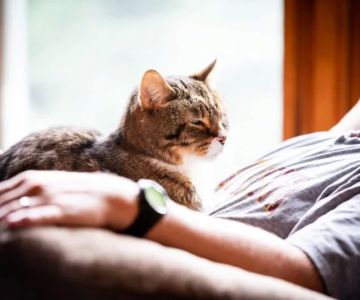
One of the first signs that something is wrong with a cat is a sudden change in activity level. If your cat not moving or playing anymore, it may show additional symptoms such as loss of appetite, hiding in unusual places, or appearing unusually lethargic. Cats are instinctively good at hiding pain, so these subtle changes should never be ignored.

2. Possible Health Issues Affecting Cats
2.1 Physical illnesses
Conditions such as arthritis, infections, or even heart disease can cause a cat to stop moving as much as it used to. In older cats, mobility issues are common, and stiffness may prevent them from engaging in play. Younger cats may be affected by viral illnesses or digestive problems that reduce their energy.

2.2 Pain or injury
Even a minor injury, like a sprained leg or a hidden wound, can lead to inactivity. Cats often avoid movement to minimize discomfort, which may appear to owners as sudden laziness.
2.3 Chronic conditions
Diseases such as kidney failure or diabetes can significantly affect energy levels, often manifesting first in behavioral changes like avoiding play or restlessness turning into stillness.
3. Emotional and Environmental Factors
3.1 Stress and anxiety
Changes in the household—such as a new pet, relocation, or loud noises—can trigger stress. A stressed cat may become withdrawn, preferring to stay still instead of playing.
3.2 Depression in cats
Yes, cats can experience depression. A loss of a companion, boredom, or lack of stimulation may cause them to stop engaging in activities they once enjoyed.
3.3 Environmental enrichment
Lack of toys, climbing spaces, or interaction can make a cat appear as if it has “shut down.” Sometimes, providing more stimulation brings a remarkable turnaround.
4. Real-Life Examples of Cats Losing Energy
4.1 The case of Luna
Luna, a 7-year-old tabby, suddenly stopped playing with her favorite toy mouse. Her owner thought it was just aging, but after a veterinary visit, they discovered arthritis had set in. With treatment, Luna regained her playful side within weeks.
4.2 A story from a rescue shelter
One shelter cat refused to move from a corner for days. After medical checks, it was clear the cat was healthy but grieving after being surrendered by its family. Gentle care and interaction slowly brought back its playful spirit.
5. When to Seek Professional Veterinary Help
If your cat not moving or playing anymore and the behavior lasts for more than 24 to 48 hours, veterinary help is essential. Warning signs such as difficulty breathing, not eating, or limping indicate urgent medical attention. Cats deteriorate quickly when ill, so delaying could be dangerous.
6. How Hidden Brook Veterinary Can Help
6.1 Comprehensive examinations
Hidden Brook Veterinary provides thorough health checks to diagnose underlying medical problems when cats show signs of inactivity. Advanced diagnostic tools and expert veterinarians ensure nothing is overlooked.
6.2 Tailored treatment plans
Whether the issue is physical pain, stress-related behavior, or a chronic condition, Hidden Brook Veterinary offers customized treatments to restore your cat’s well-being and energy levels.
6.3 Ongoing support
Pet owners also receive guidance on improving home environments, managing stress triggers, and introducing enrichment activities that help cats rediscover their playful nature.
When your beloved pet suddenly loses its spark, it can be worrying. By observing signs closely, understanding possible causes, and seeking expert help, you can give your cat the care it deserves and bring back its joy for life.