- why-is-your-cat-not-eating-meals - Why Is Your Cat Not Eating Meals but Nibbling Snacks?
- underlying-medical-reasons-for-meal-avoidance - Possible Health Issues Behind This Behavior
- behavioral-patterns-and-feeding-habits - Is It a Habit or a Sign of Something Bigger?
- real-case-study-of-a-picky-cat - Real Story: What Happened to Simba, the Snack-Loving Cat
- solutions-to-encourage-balanced-eating - How to Encourage Your Cat to Eat Full Meals
- when-to-seek-professional-vet-advice - When to Consult a Vet and What to Expect
1. Why Is Your Cat Not Eating Meals but Nibbling Snacks?
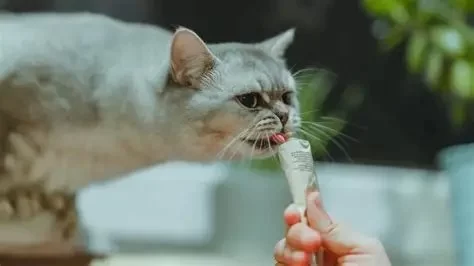
It’s a situation many cat owners are familiar with—your cat is skipping full meals but seems to come alive the moment you open a treat pouch. While this behavior might seem harmless or even cute, it can indicate underlying issues. If your cat is not eating meals but nibbling snacks regularly, you may be facing a nutritional imbalance or deeper behavioral or health concern.
Cats are naturally selective eaters, but regular refusal of balanced meals in favor of high-reward snacks can be a red flag. This pattern can result in long-term nutritional deficiencies, especially if not addressed early.

2. Possible Health Issues Behind This Behavior
Before assuming it’s just “pickiness,” consider medical causes that can affect appetite. Dental pain, gastrointestinal upset, kidney disease, or even early diabetes can make cats avoid regular food while still being tempted by soft or smelly snacks.
For instance, if your cat suddenly refuses kibble but devours a chicken-flavored treat, it could be a sign of oral discomfort. Cats with dental disease often prefer softer textures. Similarly, a cat with nausea may turn away from a full bowl but take in small nibbles due to temporary relief from the strong aroma of snacks.
If this behavior continues for more than 24–48 hours, a health check is crucial. Hidden Brook Veterinary offers in-clinic diagnostics and gentle oral examinations tailored specifically for feline patients.
3. Is It a Habit or a Sign of Something Bigger?
Cats are creatures of habit and can quickly form behavioral patterns, especially around food. If you’ve unintentionally rewarded your cat’s refusal to eat meals by offering them a favorite snack instead, they may have learned to hold out for the "better" option.
Moreover, environmental stress—such as a new pet, house move, or change in feeding routine—can cause temporary appetite shifts. Some cats may lose interest in meals placed in high-traffic or noisy areas, preferring to wait until conditions feel “safe” again.
It’s essential to observe your cat's surroundings, meal setup, and timing. A shift in environment or routine can often explain why a cat is ignoring full meals but still responds to snack-based cues.
4. Real Story: What Happened to Simba, the Snack-Loving Cat
Simba, a four-year-old British Shorthair from Rawalpindi, had developed a habit of skipping his main meals and only nibbling on his favorite tuna-flavored treats. His owner, Amina, initially thought it was just a preference until Simba started losing weight and sleeping more than usual.
A quick consultation at Hidden Brook Veterinary revealed early signs of chronic kidney disease—something that was manageable when caught early. After changing his diet and incorporating renal-support meals recommended by their in-house nutritionist, Simba regained his appetite and energy.
This case highlights why seemingly minor feeding quirks shouldn’t be ignored—they could be the early signs your cat needs help.
5. How to Encourage Your Cat to Eat Full Meals
Addressing this issue starts with a mix of consistency, observation, and strategic feeding:
1. Establish fixed feeding times: Avoid free-feeding or leaving meals out all day.
2. Make meals appealing: Warm up wet food slightly to release aroma, or try toppers made with real meat.
3. Rotate proteins: Cats can get bored with one flavor—introduce chicken, turkey, lamb, or fish in rotation.
4. Cut back on snacks: Treats should never make up more than 10% of the daily diet.
5. Use puzzle feeders: Stimulate your cat’s mind while encouraging interest in mealtime.
Many of these tools and feline-friendly diet options are available through trusted platforms like Hidden Brook Veterinary, which specializes in pet behavior and nutrition solutions.
6. When to Consult a Vet and What to Expect
If your cat hasn’t eaten a full meal in more than 24–48 hours—or is showing symptoms like lethargy, vomiting, or weight loss—it’s time to visit a vet. Cats can develop hepatic lipidosis (a dangerous liver condition) if they go too long without adequate food intake.
During a vet visit, expect a full oral exam, body weight check, possibly blood tests, and a diet review. The team at Hidden Brook Veterinary also offers tailored diet plans, food trials, and appetite-boosting therapies when needed.
While occasional finicky behavior isn’t always a cause for alarm, consistent patterns where a cat is not eating meals but nibbling snacks require attention. The sooner you investigate the reason, the sooner you can help your furry friend return to a happy, balanced lifestyle.