- cat-not-eating-after-coming-back-from-the-vet
- common-reasons-for-appetite-loss-post-vet-visit
- how-long-is-too-long-without-eating
- what-you-can-do-to-help-your-cat-eat
- real-case-stories-and-what-weve-learned
- when-to-call-hidden-brook-veterinary
1. Cat Not Eating After Coming Back from the Vet?
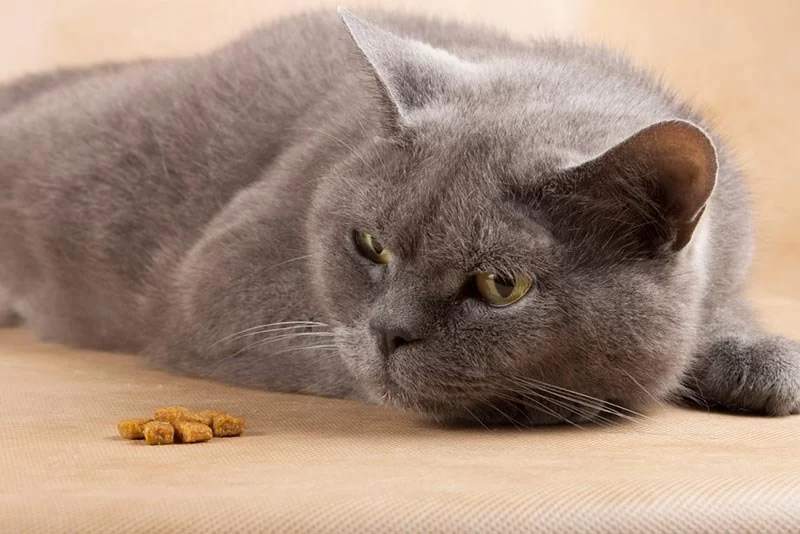
You brought your cat home from the vet, expecting them to settle back into their normal routine—only to notice they’re not touching their food. If your cat is not eating after coming back from the vet, you're not alone. This is a surprisingly common concern among cat owners and can be a temporary response or a sign of something more.
While occasional fasting for a few hours can be normal, prolonged disinterest in food might signal stress, discomfort, or even complications from treatment. Understanding why your cat might be refusing food can help you respond in a calm, informed, and effective way.

2. Common Reasons for Appetite Loss Post-Vet Visit
2.1 Stress and Environmental Changes
A vet visit is a major disruption to your cat’s sense of safety and routine. From unfamiliar smells and sounds to physical handling, even the most stoic cats can come home rattled. Stress alone can cause temporary loss of appetite, especially if your cat was kept in a carrier or hospital setting for an extended period.
2.2 Side Effects from Sedation or Anesthesia
If your cat underwent a procedure—like dental work, imaging, or surgery—anesthesia or sedation might linger in their system, leading to temporary nausea, grogginess, or loss of appetite. This can last from a few hours to about 24 hours, depending on the type and dose.
2.3 Pain or Discomfort After Treatment
Some procedures can leave your cat feeling physically sore. Whether it’s a vaccination site, sutures, or dental extractions, pain may interfere with their interest in food. Cats often hide signs of discomfort, so a lack of appetite might be your first clue.
2.4 Changes in Routine or Feeding Schedule
If your cat was withheld from food before their vet appointment or had to wait longer than usual to eat, it might throw off their normal rhythm. Some cats are extremely sensitive to timing and even the type of bowl or location where they’re fed.
3. How Long Is Too Long Without Eating?
3.1 The 24-Hour Rule
Generally, if your cat has not eaten anything for more than 24 hours after returning from the vet, it’s time to take action. Unlike dogs, cats are more prone to a condition called hepatic lipidosis—a serious liver disorder triggered by extended fasting.
3.2 Special Concerns for Kittens and Seniors
Kittens and senior cats are more fragile and can’t tolerate prolonged fasting. For these age groups, even 12–18 hours without food can cause rapid health decline. Always monitor hydration and energy levels closely.
3.3 Look for Secondary Symptoms
Watch for vomiting, diarrhea, lethargy, excessive hiding, or changes in breathing. If these appear along with appetite loss, contact your vet immediately. These could be signs of infection, drug reaction, or post-procedure complications.
4. What You Can Do to Help Your Cat Eat
4.1 Warm Up the Food
Cats rely heavily on smell to trigger appetite. Warming up wet food slightly (not hot) can make it more aromatic and appealing. Try microwaving for just 5–10 seconds and stir well before serving.
4.2 Offer Strong-Smelling Favorites
Tempt your cat with particularly enticing options like tuna water, sardines in water, or prescription recovery foods recommended by your vet. Sometimes, the smell alone is enough to trigger that first bite.
4.3 Create a Calm Environment
Feed your cat in a quiet, familiar space. Avoid busy areas of the house and consider keeping the lights low. Cats recovering from vet visits often appreciate extra privacy and quiet.
4.4 Hand Feeding or Syringe Feeding (If Advised)
In some cases, gently offering food from your fingers can be reassuring. If advised by your vet, syringe feeding with a liquid diet may help keep your cat nourished until their appetite returns.
5. Real Case Stories and What We’ve Learned
5.1 Muffin’s Silent Protest
One of our clients at Hidden Brook Veterinary shared the story of Muffin, a 6-year-old tabby who refused to eat for a full day after a routine dental cleaning. No fever, no vomiting—just silence and sulking. With some tuna juice and cuddle time, she bounced back by the next morning.
5.2 Jasper’s Complication After Sedation
Jasper, a Maine Coon, had a mild reaction to the sedative used during an X-ray appointment. His owner noticed excessive drooling and loss of appetite. After a check-in and anti-nausea medication, Jasper was eating again within hours.
5.3 A Lesson in Timing with Bella
Bella's owner delayed feeding for too long after a procedure requiring fasting. She became weak and disinterested, prompting an urgent visit. After supportive fluids and feeding assistance, Bella recovered—but it was a reminder of how quickly things can escalate in cats.
6. When to Call Hidden Brook Veterinary
6.1 When You're Not Sure, Ask
If your cat is not eating after coming back from the vet, and you’re unsure whether it’s normal or serious, don’t hesitate. At Hidden Brook Veterinary, we’re just a call away. Our team can help assess the situation and determine whether a recheck or intervention is necessary.
6.2 Supportive Care Tailored to Your Cat
Whether it’s nutritional support, anti-nausea medication, or appetite stimulants, we offer customized care that takes into account your cat’s history, procedure, and individual sensitivities.
6.3 Compassionate, Cat-Centered Advice
We understand how stressful it is to see your pet not eating. Our veterinary staff doesn’t just treat symptoms—we listen, we investigate, and we care. Trust us to help your cat return to their normal, food-loving self as quickly and safely as possible.