
- what-does-cat-meowing-with-closed-mouth-mean
- common-reasons-cats-meow-with-mouth-closed
- understanding-cat-body-language-and-vocalizations
- when-a-closed-mouth-meow-might-signal-a-problem
- real-stories-of-cats-meowing-with-mouth-closed
- how-veterinarians-evaluate-unusual-meowing
1. What Does Cat Meowing With Closed Mouth Mean?
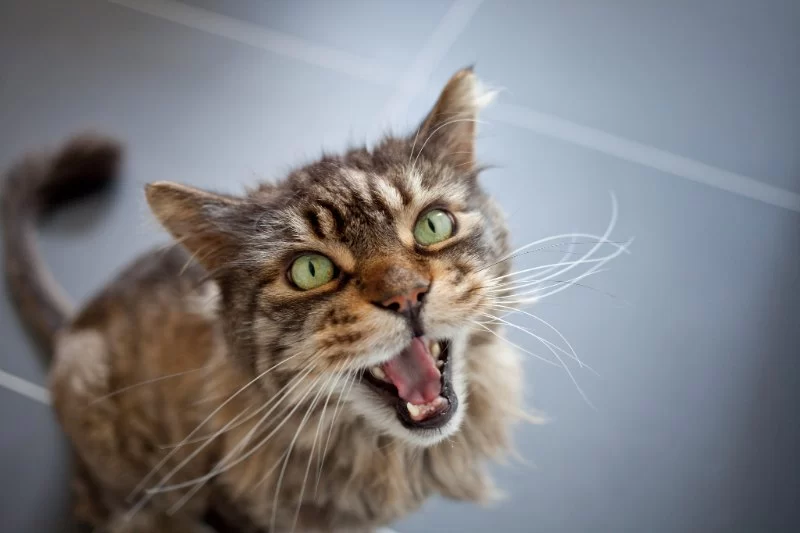
It’s a curious behavior: your cat is clearly trying to meow, but their mouth stays closed. This odd silent “meow” often leaves cat owners puzzled, and it raises an important question—what does it mean when a cat meows with a closed mouth? Though it may seem strange, this behavior is surprisingly common and can be tied to several emotional, physical, or even social reasons.
Unlike the traditional meow, a closed-mouth meow may be barely audible or completely silent. But just because it's quiet doesn’t mean it’s meaningless. Cats use subtle communication methods that go beyond loud sounds. If you're seeing this behavior in your feline friend, there’s likely something worth understanding—and perhaps addressing.

2303 Hickory Rd, Plymouth Meeting, PA 19462, USA
See Details2. Common Reasons Cats Meow With Mouth Closed
2.1 Silent Communication Attempts
Cats often develop silent communication habits as a way of getting attention without alarming or disturbing their humans. A closed-mouth meow can simply be a gentle nudge—“Hey, I’m here” or “I want something”—without the dramatic flair. Some cats are just more soft-spoken than others.

2.2 Habit from Kittenhood
Kittens meow to their mothers frequently, often with incomplete vocal development. Some adult cats retain this behavior, resulting in what looks like a meow without the full vocal follow-through. It’s part instinct, part habit.
2.3 Breed-Specific Traits
Certain breeds like Siamese or Burmese are known for expressive vocalizations, while others like Scottish Folds or British Shorthairs might resort to quieter signals. A closed-mouth meow could be entirely normal, especially for more reserved or independent breeds.
3. Understanding Cat Body Language and Vocalizations
3.1 It's Not Just the Sound
When a cat uses a closed-mouth meow, it’s often paired with body language cues: tail twitches, slow blinking, ear positions, or kneading motions. Interpreting these signs together helps paint a clearer picture of what your cat is trying to say.
3.2 Mimicking Human Interaction
Some cats mimic their humans’ speech or gestures. If you talk to your cat a lot, they may “reply” with subtle mouth movements or breathy sounds without a full vocal meow. It’s their way of participating in the conversation—adorably quiet but emotionally rich.
3.3 Seeking Comfort or Familiarity
If your cat meows with their mouth closed while sitting on your lap or rubbing against your leg, they may be expressing comfort and contentment. It’s a quiet, tender moment that suggests they feel safe with you.
4. When a Closed-Mouth Meow Might Signal a Problem
4.1 Respiratory or Vocal Cord Issues
In some cases, a closed-mouth meow may be an attempt to vocalize when something’s wrong. Conditions like laryngitis, upper respiratory infections, or nasal congestion can affect a cat’s ability to produce sound. If this behavior is new or paired with symptoms like sneezing, coughing, or lethargy, it’s time to take action.
4.2 Dental Pain or Oral Discomfort
Cats experiencing dental pain may avoid opening their mouth. Tooth decay, gum inflammation, or oral injuries can all cause your cat to try to communicate with as little jaw movement as possible. If your cat also avoids eating hard food or drools more than usual, consult a vet promptly.
4.3 Stress or Anxiety
Emotional distress can cause unusual vocalizations. A stressed or anxious cat might “meow” without vocalizing as a form of muted expression. Major changes in the home, such as new pets or a move, can trigger this behavior.
5. Real Stories of Cats Meowing With Mouth Closed
Milo, a rescue cat from New Jersey, had always been quiet, but his owner noticed he would “mouth” meows when she returned from work. She initially thought he was mute, but over time she realized he simply preferred soft communication. When he wanted dinner, a blink and a soundless meow were all it took.
In contrast, Luna, a 12-year-old tabby, began showing this behavior suddenly. Her owner took her to Hidden Brook Veterinary, where a mild upper respiratory infection was diagnosed. With treatment, her full meows returned within a week.
6. How Veterinarians Evaluate Unusual Meowing
6.1 Physical Examination and Behavior Review
A vet will first check for physical issues—throat inflammation, dental health, nasal blockages—when investigating “cat meowing with closed mouth.” They’ll also ask about other behavior changes, appetite, and recent stressors in the home environment.
6.2 When Diagnostic Tools Are Needed
If initial exams reveal little, advanced diagnostics such as laryngoscopy or x-rays may be recommended. These tools help rule out tumors, nerve disorders, or other medical causes. Early detection can make all the difference in treatment success.
6.3 Professional Support for Peace of Mind
When in doubt, getting a professional opinion is always wise. The team at Hidden Brook Veterinary is experienced in feline communication quirks and medical concerns, providing both accurate diagnoses and compassionate care.
Whether it’s a quiet form of affection or a subtle cry for help, “cat meowing with closed mouth” is worth paying attention to. Your cat may not always speak loudly—but they always have something to say.








