
- #cat-limping-after-running-around—possible-causes—health-risks
- #minor-injuries—sprains-strains—surface-irritation
- #serious-conditions—fractures-arthritis—neurological-issues
- #when-to-seek-veterinary-care—warning-signs—timely-treatment
- #real-stories—cat-owners-experience—practical-lessons
- #at-home-care—comfort-measures—monitoring-behavior
- #hidden-brook-veterinary—professional-support—trusted-guidance
Why Is My Cat Limping After Running Around?
Seeing your cat limping after running around can be concerning. While cats are agile creatures, their playful nature sometimes leads to injuries or health problems. A limp may be temporary, but it can also signal something more serious. Understanding the possible causes and knowing when to seek help can make a big difference for your pet’s health and comfort.
Minor Causes: From Sprains to Irritations
Sprains and strains
After energetic play or jumping from high surfaces, cats can twist their legs or overstretch muscles, leading to a temporary limp. This type of discomfort often improves with rest but should still be monitored closely.
Surface-related irritation
Running on rough ground or stepping on small sharp objects can injure a paw pad. Even something as small as a splinter or lodged piece of litter can cause limping until it’s removed.
More Serious Conditions to Consider
Fractures and joint injuries
Falls or rough landings can result in broken bones or dislocated joints. Unlike minor sprains, these conditions usually cause severe limping, swelling, or your cat avoiding weight-bearing entirely.
Arthritis and long-term issues
Older cats may limp after running due to joint stiffness or arthritis flare-ups. What looks like a playful injury could actually be a chronic condition that requires management.
Neurological concerns
In rare cases, limping might be linked to nerve damage or neurological issues. If your cat’s movement seems uncoordinated in addition to limping, professional evaluation is necessary.
When to Seek Veterinary Care
If your cat’s limp lasts more than 24 hours, worsens over time, or is accompanied by swelling, bleeding, or extreme sensitivity to touch, it’s important to consult a veterinarian. Early intervention can prevent complications and ease your cat’s recovery. Professional care ensures the right diagnosis, whether it’s a minor sprain or something more serious.
Real Cases from Cat Owners
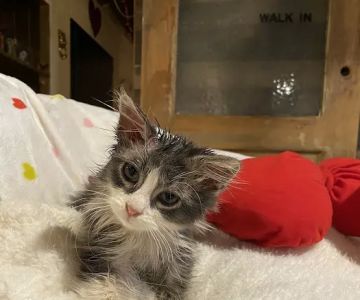
One cat owner noticed her young kitten limping after zooming around the living room. At first, she assumed it was just overexcitement. But after two days, the limp worsened, and a vet visit revealed a small hairline fracture. With proper treatment, the kitten healed completely. These experiences remind us not to underestimate limping after play, no matter how minor it seems.
At-Home Care and Monitoring
Providing comfort
Encourage your cat to rest in a quiet, safe area. Reduce jumping opportunities by temporarily blocking high perches.
Monitoring behavior
Track whether the limp improves, stays the same, or worsens. Cats often hide pain, so changes in appetite, grooming, or mood can be as important as the limp itself.
Where to Find Trusted Help
When in doubt, professional advice is always the safest option. At Hidden Brook Veterinary, experienced teams can assess your cat’s condition, provide accurate diagnosis, and recommend the right treatment. Having expert support not only eases your cat’s pain but also reassures you as a pet owner that you are taking the best steps possible.








