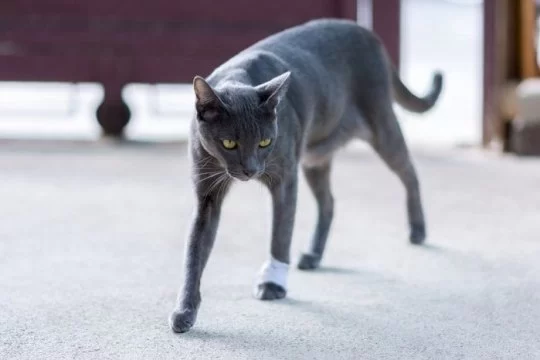
- cat-limping-after-jumping-understanding-the-common-causes
- how-to-check-your-cats-leg-and-what-signs-to-look-for
- stories-from-pet-owners-whose-cats-started-limping-after-a-jump
- why-vet-care-matters-and-how-hidden-brook-veterinary-can-help
1. Cat Limping After Jumping – Understanding the Common Causes
It’s a sight that immediately stirs concern—your cat jumps down from the couch or windowsill, then suddenly begins to limp. If you're here searching “cat limping after jumping”, know that you're not alone. Limping is one of the most frequent mobility issues observed in cats, especially in those that are active and adventurous.
There are several potential reasons for this behavior. Minor causes can include soft tissue strains or bruises—particularly if your cat jumped awkwardly or landed on a hard or uneven surface. Cats are agile, but even they can miscalculate a leap now and then.
More serious causes may include sprains, joint injuries, or even fractures, particularly in older cats with lower bone density or in kittens still developing coordination. Additionally, injuries to the paw itself—like broken claws, foreign objects, or pad abrasions—can result in visible limping immediately after a jump.
It’s also important to consider internal issues that jumping may aggravate. Conditions like arthritis, hip dysplasia, or even a luxating patella may not always show symptoms until triggered by high-impact activity like leaping from height.

10645 N Tatum Blvd ste 200 454, Phoenix, AZ 85028, USA
See Details2. How to Check Your Cat’s Leg and What Signs to Look For
2.1 Stay Calm and Observe First
Before reaching for your cat, watch them closely. Is the limp constant, or does it improve after rest? Is your cat able to bear any weight? Cats often try to mask pain, so even subtle changes in posture, reluctance to jump, or tail-tucked walking may indicate deeper discomfort.

2.2 Gentle Hands-On Examination
Once your cat is calm, run your fingers gently from the shoulder down to the paw, checking for any swelling, heat, or tender spots. Be mindful—cats can become defensive when in pain. Look for signs such as flinching, hissing, or attempting to pull away.
2.3 Check the Paws and Claws
Carefully inspect each paw. Sometimes the cause of limping after jumping is as simple as a splinter, a stuck piece of litter, or a torn nail. Cracked or bleeding paw pads are also common in cats that land hard after a high jump.
2.4 Watch for Delayed Symptoms
In some cases, limping may not appear immediately. Microtears in ligaments or strained muscles might show signs a few hours later. If limping continues for more than 24 hours, or worsens, veterinary attention is strongly recommended.
3. Stories from Pet Owners Whose Cats Started Limping After a Jump
3.1 Max the Explorer’s Bad Landing
Max, a spirited tabby in Richmond, VA, leapt from the top of the refrigerator one afternoon—something he had done countless times. But this time, he landed awkwardly and began limping on his right front paw. His owner, Stephanie, initially thought he just landed wrong. When the limp didn’t improve after two days, they visited Hidden Brook Veterinary. Turns out, Max had a minor wrist sprain that healed quickly with rest and medication. Stephanie now places non-slip mats around high surfaces.
3.2 Luna’s Hidden Fracture
Luna, a petite Siamese cat, jumped from a windowsill during playtime and yowled on landing. She limped to her bed and wouldn’t let anyone touch her hind leg. Her owner immediately brought her in, and X-rays showed a hairline fracture in her tibia. With careful splinting and follow-up, Luna made a full recovery—but her case highlighted how even small cats can suffer real injuries from everyday jumps.
3.3 Viral Video Sparks Online Concern
A TikTok video showing a Scottish Fold kitten limping after jumping off a couch went viral, with users speculating everything from arthritis to neurological issues. The owner later posted a follow-up explaining that the kitten had a bruised paw pad and healed with no long-term damage. The comments section exploded with advice and similar stories, showing just how common—and concerning—this issue is for cat lovers everywhere.
4. Why Vet Care Matters – And How Hidden Brook Veterinary Can Help
While some limps resolve on their own, others can be signs of deeper injury or early signs of chronic conditions. If your cat is limping after jumping and the behavior persists beyond 24–48 hours, worsens, or is paired with changes in appetite, hiding, or vocalizing in pain, don’t wait to act.
At Hidden Brook Veterinary, we specialize in feline care, with gentle diagnostics and cat-friendly handling techniques to make your pet feel at ease. Whether it’s a paw inspection, X-rays, or joint health evaluations, we’ll pinpoint the cause of your cat’s limp and guide you through treatment or recovery—step by step.
Your cat’s safety, mobility, and comfort matter to us. With personalized care plans and experienced professionals, Hidden Brook Veterinary is here to ensure that your cat gets back to climbing, jumping, and landing confidently again.