- 1. Understanding Cat Nose Licking
- 2. Common Causes of Excessive Nose Licking in Cats
- 3. Signs to Watch Out for with Excessive Nose Licking
- 4. How to Address Excessive Nose Licking
- 5. When to Consult a Veterinarian
1. Understanding Cat Nose Licking
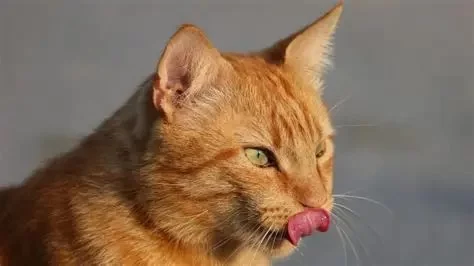
It’s not uncommon for cats to lick their noses occasionally. However, if your cat is licking its nose excessively, this could be a sign of an underlying issue that requires attention. Cats are meticulous groomers, and nose licking is one of their normal grooming behaviors. But when it becomes a frequent or obsessive habit, it might point to a health concern.
Excessive nose licking can be a way for your cat to self-soothe, or it may be a response to discomfort or irritation. It’s important to observe the pattern of behavior and look for other symptoms that might help identify the cause of the excessive licking. Let’s explore the possible reasons why your cat might be licking its nose more than usual.
2. Common Causes of Excessive Nose Licking in Cats
There are several reasons why a cat may lick its nose excessively. Understanding these potential causes is the first step in determining the right course of action for your pet. Here are some common causes:
1. Allergies
Just like humans, cats can suffer from allergies. These can be environmental, such as pollen or dust mites, or related to food. If your cat is licking its nose excessively, it could be a sign of an allergic reaction. Allergies may cause itching or irritation in the nose area, leading your cat to lick it in an attempt to alleviate the discomfort.
2. Dryness or Irritation
Dry weather or changes in the environment can lead to dry or irritated noses in cats. If your cat’s nose is dry or crusty, it may lick it more frequently to moisturize or relieve discomfort. A dry nose can also be a sign of dehydration or respiratory issues.
3. Dental or Oral Health Issues
Sometimes, cats lick their noses excessively as a response to dental pain or oral discomfort. Conditions such as gingivitis, tooth decay, or mouth infections can cause a cat to lick its face and nose. If the nose licking is accompanied by drooling or difficulty eating, it’s worth considering dental problems as a possible cause.
4. Respiratory Infections
Respiratory infections, such as feline herpesvirus or upper respiratory infections, are another potential cause of excessive nose licking. Cats with nasal congestion may lick their noses in an attempt to clear out mucus or relieve the discomfort of a blocked nose. If your cat is also sneezing, coughing, or has a runny nose, a respiratory infection might be the cause.
5. Neurological or Behavioral Issues
In rare cases, excessive nose licking can be a behavioral issue or a sign of neurological problems. If your cat is licking its nose compulsively and seems to be doing it without any clear trigger, it could indicate anxiety, stress, or even a compulsive disorder. This behavior can also be a sign of discomfort due to neurological issues affecting the cat’s behavior.
3. Signs to Watch Out for with Excessive Nose Licking
While occasional nose licking is normal, there are specific signs that may indicate your cat’s excessive licking is linked to a health issue. Keep an eye out for the following signs:
1. Discharge or Mucus
If your cat is licking its nose and you notice discharge or mucus coming from the nose, this could indicate a respiratory infection, allergy, or sinus problem. Clear or greenish mucus, along with nose licking, is often a red flag for infection.
2. Loss of Appetite
If your cat is licking its nose excessively and also has a loss of appetite, this could suggest that the behavior is related to a mouth or digestive issue. Cats who are in pain may avoid eating, and licking their nose could be a sign of discomfort related to oral health or gastrointestinal problems.
3. Excessive Drooling or Salivation
Excessive drooling or salivation, along with frequent nose licking, can be a sign of an oral health issue such as gingivitis, dental disease, or a foreign object stuck in the mouth. If you notice drooling combined with nose licking, it’s time to consult your veterinarian for a thorough oral examination.
4. Behavioral Changes
If your cat is exhibiting changes in behavior, such as increased aggression, lethargy, or anxiety, along with nose licking, this could indicate an underlying health problem or emotional distress. Cats are masters at hiding their discomfort, so any drastic change in behavior should be taken seriously.
4. How to Address Excessive Nose Licking
If your cat is licking its nose excessively, here are some steps you can take to address the behavior:
1. Keep Track of the Behavior
Start by observing when your cat licks its nose and note any other symptoms. Does it happen only at certain times of the day? Does it coincide with specific activities or after eating? Keeping track of these details will help your veterinarian identify potential causes.
2. Check for Environmental Factors
Ensure your cat’s environment is comfortable and free from irritants. If you live in a dry area, consider using a humidifier to help keep the air moist. Avoid exposing your cat to allergens such as pollen or dust, and make sure their living space is clean and well-ventilated.
3. Provide Proper Nutrition
Ensure your cat is eating a balanced and nutritious diet. Poor diet or dehydration can contribute to dry skin, mouth discomfort, and other health problems. Consult your veterinarian to determine if your cat’s diet is meeting its nutritional needs.
4. Regular Vet Checkups
If the excessive nose licking continues, schedule a visit with your veterinarian. A professional examination will help identify any underlying medical issues such as infections, allergies, or oral health problems. Your vet may recommend treatments such as medications, dental care, or allergy management based on the diagnosis.
5. When to Consult a Veterinarian
Excessive nose licking in cats is often a sign of an underlying issue, especially if it’s accompanied by other symptoms such as discharge, drooling, or behavioral changes. If you notice any of these signs, or if the nose licking persists for more than a few days, it’s important to seek veterinary advice.
At Hidden Brook Veterinary, we specialize in diagnosing and treating common behavioral and health issues in cats, including excessive nose licking. If you're concerned about your cat’s health, don't hesitate to reach out for a consultation. Our experienced veterinarians will provide the care your cat needs to stay healthy and comfortable.