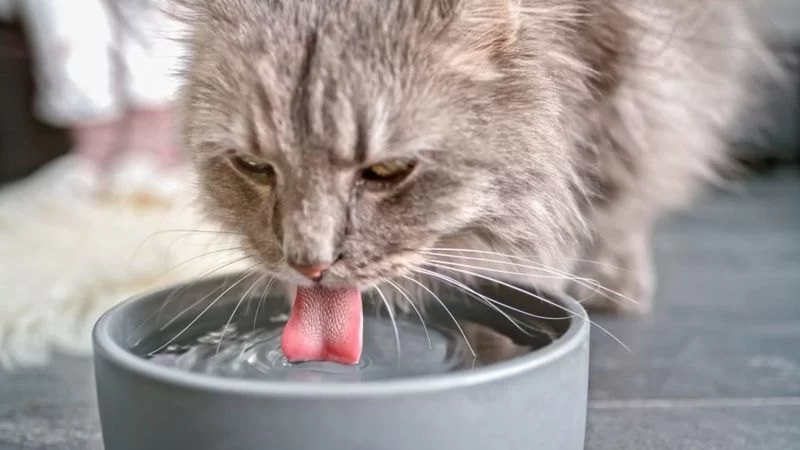
- 1 - Understanding Cat Excessive Thirst and Lack of Energy
- 2 - Common Medical Causes Behind Excessive Thirst and Fatigue
- 3 - A Real-Life Case Study: How One Cat’s Symptoms Revealed More
- 4 - When to Seek Veterinary Help Immediately
- 5 - Preventive Care and Lifestyle Adjustments for Cats
- 6 - Where to Find Trusted Veterinary Support
1 - Understanding Cat Excessive Thirst and Lack of Energy
When pet owners notice cat excessive thirst and lack of energy, it’s often an alarming signal that something deeper may be going on. Cats are naturally discreet about illness, so changes in drinking habits and energy levels are usually red flags worth paying close attention to. Excessive water consumption, known as polydipsia, paired with lethargy, may point to underlying health conditions that need prompt attention.

2 - Common Medical Causes Behind Excessive Thirst and Fatigue
Several medical issues can lead to these symptoms. Kidney disease, for instance, is one of the most common culprits, as the kidneys lose efficiency in filtering waste, prompting cats to drink more. Diabetes mellitus can also cause high water intake, along with increased urination and weight changes. Other potential causes include hyperthyroidism, urinary tract infections, or even certain types of cancer. Because the symptoms overlap between multiple conditions, professional evaluation is crucial.

3 - A Real-Life Case Study: How One Cat’s Symptoms Revealed More
A well-known case shared in a pet health forum involved a cat named Luna, who began drinking from the sink and sleeping more than usual. At first, her owner dismissed it as age-related slowing down. However, a veterinary visit revealed that Luna was in the early stages of chronic kidney disease. Early detection allowed treatment to begin right away, improving her quality of life. This story highlights why paying attention to subtle signs can make all the difference.
4 - When to Seek Veterinary Help Immediately
If your cat suddenly starts showing excessive thirst and lack of energy, delaying a check-up is risky. Emergency warning signs include rapid weight loss, refusal to eat, vomiting, or difficulty urinating. These symptoms may indicate acute conditions that require immediate medical intervention. A thorough veterinary examination, which may include bloodwork and urinalysis, can identify the root cause quickly.
5 - Preventive Care and Lifestyle Adjustments for Cats
While medical treatment is often necessary, lifestyle adjustments can support recovery and long-term wellness. Ensuring access to fresh, clean water, feeding a balanced diet tailored to your cat’s health condition, and scheduling regular veterinary visits can help catch problems early. Interactive play and gentle exercise can also improve energy levels and overall vitality, even for senior cats.
6 - Where to Find Trusted Veterinary Support
Managing your cat’s health can be overwhelming without proper guidance. At Hidden Brook Veterinary, pet owners can find trusted professionals who provide both preventive care and specialized treatment plans tailored to feline needs. Whether it’s running diagnostic tests, recommending dietary changes, or offering long-term support for chronic illnesses, the right veterinary team can make a significant difference in your cat’s well-being.