- what-it-means-when-a-cat-sneezes-excessively - What It Means When a Cat Sneezes Excessively and Has Watery Eyes
- possible-causes-of-cat-sneezing-and-eye-discharge - Common Causes of Sneezing and Eye Discharge in Cats
- when-its-time-to-see-the-vet - Signs That It’s Time to See the Vet
- real-case-luna-sneezing-eye-watering - Real Story: How Luna’s Sneezing and Watery Eyes Revealed More Than Just a Cold
- what-to-do-at-home-while-waiting-for-a-diagnosis - What You Can Do at Home While Waiting for a Diagnosis
- veterinary-diagnosis-and-treatment-options - How Vets Diagnose and Treat Respiratory or Ocular Issues in Cats
- trusted-support-from-hidden-brook-veterinary - Where to Get Trusted Help for Ongoing Cat Health Issues
1. What It Means When a Cat Sneezes Excessively and Has Watery Eyes
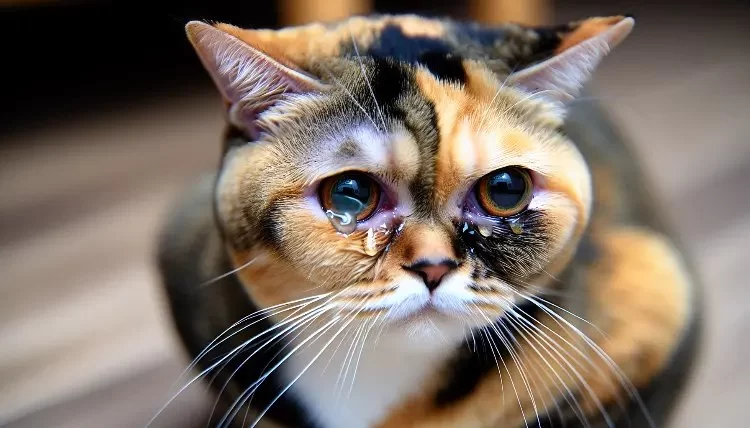
Every cat sneezes from time to time—it’s normal. But when sneezing becomes excessive and is paired with watery eyes, it could be a sign of something more serious than just a dusty corner or a passing irritant. These symptoms often signal an underlying health condition, ranging from minor allergies to upper respiratory infections that require medical attention.
The combination of cat excessive sneezing and watery eyes isn’t something to ignore, especially if it lasts for more than 24–48 hours or gets worse with time. Your cat’s body is trying to fight something off, and it's your job to help them through it.

2. Common Causes of Sneezing and Eye Discharge in Cats
2.1 Upper Respiratory Infections (URIs)
By far the most common cause, URIs in cats are similar to the common cold in humans. They can be caused by viruses like feline herpesvirus or calicivirus and often lead to sneezing, eye and nasal discharge, lethargy, and reduced appetite. These viruses spread easily in multi-cat environments or shelters.

2.2 Allergies and Environmental Irritants
Dust, pollen, perfumes, air fresheners, or cigarette smoke can cause sneezing and watery eyes in sensitive cats. In such cases, symptoms may appear suddenly and improve when the irritant is removed.
2.3 Foreign Objects or Nasal Blockages
A blade of grass or a tiny seed lodged in a cat’s nasal passage can trigger sneezing fits and even cause watery eyes if the tear ducts become affected. These situations often require a vet to safely remove the obstruction.
2.4 Dental Problems and Root Infections
Many cat owners are surprised to learn that infected upper teeth can affect the sinuses, leading to nasal discharge and sneezing. This kind of discomfort may also cause watery eyes and should be addressed with a dental exam.
3. Signs That It’s Time to See the Vet
If your cat's sneezing and watery eyes continue for more than two days, worsen, or are accompanied by other signs like green/yellow discharge, coughing, loss of appetite, or fever, it’s time to contact a veterinarian. These could be signs of bacterial infections or something more serious.
Kittens, senior cats, and immunocompromised cats are especially vulnerable and should be evaluated promptly. Waiting too long could make treatment harder and prolong recovery.
4. Real Story: How Luna’s Sneezing and Watery Eyes Revealed More Than Just a Cold
Luna, a four-year-old indoor tabby, began sneezing occasionally one weekend. Her owner assumed it was seasonal allergies. By midweek, Luna’s eyes were tearing continuously, and she started hiding under the bed. Concerned, her owner took her to Hidden Brook Veterinary.
It turned out Luna had developed a secondary bacterial infection from an untreated viral URI. Thanks to early intervention with antibiotics and eye drops, Luna bounced back within a week. The vet also discovered mild dental inflammation, which was addressed before it worsened. Luna’s story is a reminder that symptoms that seem mild at first can reveal deeper issues.
5. What You Can Do at Home While Waiting for a Diagnosis
5.1 Keep the Eyes and Nose Clean
Use a soft, damp cloth to gently wipe away discharge from your cat’s eyes and nose. This helps prevent secondary skin irritation and gives your cat some relief.
5.2 Humidify the Air
Running a humidifier in the room where your cat sleeps can ease respiratory discomfort, especially if you suspect dry air might be contributing to the issue.
5.3 Avoid Essential Oils and Air Sprays
Even “pet-safe” air fresheners and essential oils can irritate a cat’s respiratory system. While your cat is symptomatic, avoid introducing any new scents or cleaning products into their space.
6. How Vets Diagnose and Treat Respiratory or Ocular Issues in Cats
6.1 Physical Examination and Medical History
Your vet will ask about when symptoms began, whether other pets are sick, and what your home environment is like. They’ll examine your cat’s eyes, nose, and mouth thoroughly.
6.2 Diagnostic Testing
If the cause isn’t clear, your vet may perform blood work, viral panel testing, or even imaging if a nasal blockage is suspected. These tools help rule out chronic conditions or infections.
6.3 Treatment Options
Treatments may include antiviral medications, antibiotics, eye drops, appetite stimulants, and hydration support. Cats with ongoing issues may benefit from immune-boosting supplements or allergy management strategies.
7. Where to Get Trusted Help for Ongoing Cat Health Issues
Recurring sneezing and eye discharge in cats isn’t just annoying—it can signal more serious problems beneath the surface. At Hidden Brook Veterinary, compassionate care meets medical expertise. Their team specializes in feline health, offering diagnostics, treatments, and personalized recommendations to support your cat’s long-term well-being.
Whether your cat is just starting to show signs of discomfort or has been dealing with ongoing symptoms, don’t wait. Quick action could mean quicker healing—and a happier, healthier feline friend.