- understanding-cat-difficulty-swallowing-food
- mechanics-of-feline-swallowing
- real-case-luna-the-persian-cat
- potential-medical-causes-of-swallowing-issues
- when-to-worry-and-what-to-watch-for
- vet-evaluation-and-diagnosis-process
- home-care-supportive-solutions
1. Understanding Cat Difficulty Swallowing Food
If your cat suddenly seems to struggle with eating—chewing slowly, gagging, or appearing to choke—this could signal a deeper issue. Cats are often quiet about their discomfort, so signs of trouble swallowing food may be subtle at first. The keyword here is vigilance: the sooner you recognize it, the sooner your feline friend can get help.

2. Mechanics of Feline Swallowing
2.1 Normal Swallowing Reflex
Swallowing is a complex process involving muscles in the tongue, throat (pharynx), and esophagus. When food is chewed, it is pushed backward toward the throat, triggering a reflex that helps it slide into the esophagus and eventually the stomach.

2.2 Signs of Disruption
When that reflex is impaired, food might linger in the mouth, cause coughing, or even lead to regurgitation. Sometimes, you may hear a clicking noise or observe pawing at the mouth—a classic red flag in feline health.
3. Real Case: Luna the Persian Cat
Luna, a five-year-old Persian cat, began refusing her dry kibble and would gag even at soft canned food. Her owner initially thought it was pickiness. But during a vet exam at Hidden Brook Veterinary, it was discovered that Luna had inflammation in her throat due to eosinophilic granuloma complex—a condition that made swallowing painful. With medication and diet changes, Luna bounced back to her playful self.
4. Potential Medical Causes of Swallowing Issues
4.1 Oral or Dental Pain
Inflamed gums, infected teeth, or oral ulcers may make it hard for a cat to chew and swallow. This is one of the most common causes of trouble eating.
4.2 Esophageal Disorders
Conditions like esophagitis, strictures (narrowing), or megaesophagus can prevent food from smoothly passing into the stomach. In these cases, cats may regurgitate food or water shortly after ingesting it.
4.3 Neurological Problems
If a cat has a neurological condition affecting the cranial nerves, it may impair their ability to coordinate the muscles needed for swallowing.
4.4 Foreign Body or Tumors
A stuck object or growth in the throat can make swallowing painful or even impossible. This is a medical emergency, and signs may include distress, drooling, and refusal to eat.
5. When to Worry and What to Watch For
5.1 Sudden vs. Gradual Onset
If your cat suddenly starts having difficulty swallowing, it’s more likely to be acute and potentially serious. Gradual changes may point to chronic issues like dental disease or throat irritation.
5.2 Behavioral Cues
Look for signs like avoiding certain foods, preferring water over solids, head tilting while eating, or exaggerated chewing motions. These are your cat’s silent cries for help.
6. Vet Evaluation and Diagnosis Process
6.1 Oral and Physical Examination
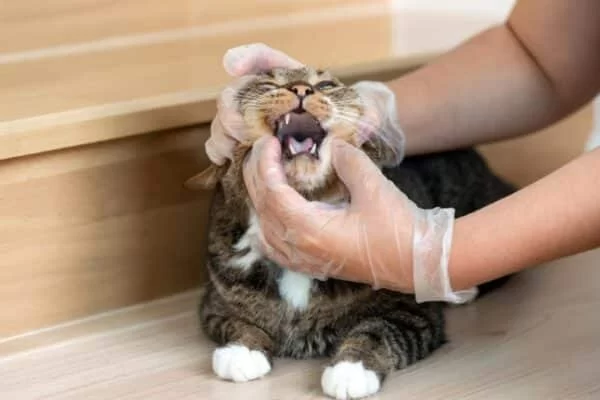
Veterinarians will examine your cat’s mouth and throat, often using light sedation if your pet is anxious or in pain. They may palpate the neck to feel for abnormalities and listen for swallowing irregularities.
6.2 Diagnostic Imaging
X-rays or endoscopy may be required to view the esophagus or locate obstructions. Blood work might also rule out systemic infections or underlying disease.
7. Home Care & Supportive Solutions
7.1 Soft Diet Transition
If the problem is minor or temporary, switching to soft or blended food can help your cat eat comfortably. Warmed-up wet food is often more appealing and easier to swallow.
7.2 Medications and Supplements
Anti-inflammatory medications, antibiotics (if infection is present), or appetite stimulants might be prescribed. Always use medications as directed by a veterinary professional.
7.3 Follow-up Care
Ongoing monitoring is key. Keep a log of what your cat eats, how they behave during meals, and any other signs of discomfort. Follow-up with professionals like Hidden Brook Veterinary ensures your pet stays on a path to recovery.
Cats may be masters of disguise when it comes to pain, but problems like difficulty swallowing food should never be ignored. Whether it’s dental, digestive, or neurological, swift action can mean the difference between suffering and relief for your feline friend.