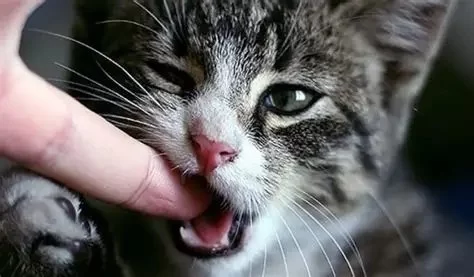
Why Is Your Cat Chewing on Fingers or Toes? Understanding the Behavior
- Understanding Cat Chewing Behavior
- Possible Causes of Cat Chewing on Fingers or Toes
- How to Stop Your Cat from Chewing on Fingers or Toes
- Real-Life Example: A Case of Excessive Chewing
- Hidden Brook Veterinary’s Tips for Cat Care
Understanding Cat Chewing Behavior
If you're a cat owner, you may have experienced the curious behavior of your cat chewing on your fingers or toes. While it might seem playful or endearing, it can actually be a sign of something more. Cats often explore their world through their mouths, much like how they use their paws. Chewing or biting can be part of their natural behavior, but when it becomes excessive or focused on your fingers and toes, it may signal something deeper.
Understanding the root causes of this behavior is crucial to addressing it effectively. Whether it’s a form of play, stress relief, or something more concerning like a health issue, recognizing the signs early can lead to better solutions for both you and your cat.

1946 S Christopher Columbus Blvd, Philadelphia, PA 19148, USA
See DetailsPossible Causes of Cat Chewing on Fingers or Toes
There are several reasons why your cat might chew on your fingers or toes. Understanding these causes can help you determine how to address the behavior:
- Playful Behavior: Cats, especially kittens, are highly playful and curious. Chewing on fingers and toes can be a way for your cat to engage with you during playtime. This is especially common in young cats who are still learning the boundaries of acceptable play.
- Teething: Just like puppies, kittens go through a teething phase. During this time, they may chew on various objects, including your fingers or toes, to relieve discomfort from growing teeth.
- Attention-Seeking: Cats are known to be attention seekers. If your cat notices that chewing on your fingers or toes gets your attention (whether positive or negative), they may repeat the behavior as a way to interact with you.
- Stress or Anxiety: Cats that are feeling stressed, anxious, or bored may resort to chewing as a coping mechanism. If your cat is left alone for long periods or experiences changes in their environment, they may chew on whatever is available to them.
- Health Issues: In some cases, excessive chewing could be a sign of underlying health problems, such as oral discomfort, allergies, or even gastrointestinal issues. If your cat suddenly starts chewing on fingers or toes frequently, it might be worth consulting a vet to rule out any medical conditions.
How to Stop Your Cat from Chewing on Fingers or Toes
If you’re looking to curb this behavior, there are several steps you can take to discourage it without punishing your cat. Here’s how to address the issue effectively:
- Provide Appropriate Toys: Ensure your cat has a variety of chew toys to satisfy their natural chewing instincts. The more engaging and stimulating these toys are, the less likely your cat will resort to chewing on your fingers or toes.
- Redirect the Behavior: If your cat starts to chew on your fingers or toes, gently redirect them to an appropriate toy. Over time, they will associate the toy with chewing rather than your body parts.
- Use Deterring Sprays: Some cat owners find success with sprays that are designed to deter chewing. These sprays have a bitter taste that discourages cats from chewing on things they shouldn’t. Always ensure the product is safe for use on skin and toys.
- Address Stress or Anxiety: If you suspect that stress or anxiety is causing the behavior, work on reducing the triggers. Provide a safe, quiet space for your cat to retreat to, and engage them in play to burn off excess energy. Consider using calming products, such as pheromone diffusers, to create a more relaxed environment.
- Consult a Veterinarian: If the behavior persists or is accompanied by other signs of illness, it’s best to consult your vet. They can help identify any potential health issues and provide guidance on how to address them effectively.
Real-Life Example: A Case of Excessive Chewing
Meet Max, a 9-month-old kitten who developed a habit of chewing on his owner’s fingers and toes. Max’s behavior was initially dismissed as playful kitten antics, but his owner, Sarah, noticed that it became more frequent and intense over time. After trying various chew toys without success, Sarah decided to seek professional help.
Upon visiting the vet, it was revealed that Max had been suffering from teething pain, which led him to seek comfort by chewing. The vet recommended some teething rings and suggested that Sarah try using a pheromone diffuser to reduce Max’s anxiety. After a few weeks of following these recommendations, Max’s chewing behavior was greatly reduced, and he found comfort in the toys provided.
This case highlights how seeking professional advice can lead to effective solutions for seemingly odd behaviors in pets.
Hidden Brook Veterinary’s Tips for Cat Care
At Hidden Brook Veterinary, we understand the complexities of pet behavior. If your cat is showing signs of excessive chewing or other unusual behaviors, we recommend scheduling a visit to ensure that there are no underlying health concerns. Our team of experienced vets can help diagnose any issues and provide tailored advice for managing your cat’s behavior.
In addition, we offer a range of natural remedies and products to help with teething, anxiety, and stress management. Visit our clinic or website for more information on how we can help improve your cat’s well-being and reduce unwanted behaviors like chewing.