- Why-Cats-Chew-on-Cords-and-Furniture
- Underlying-Medical-or-Behavioral-Triggers
- Dangers-of-Chewing-on-Cords-and-Furniture
- Training-Tactics-to-Prevent-Destructive-Chewing
- Safe-Alternatives-and-Enrichment-Ideas
- When-to-Consult-a-Veterinarian
- Real-Pet-Parent-Stories-and-What-Worked
1. Why Cats Chew on Cords and Furniture
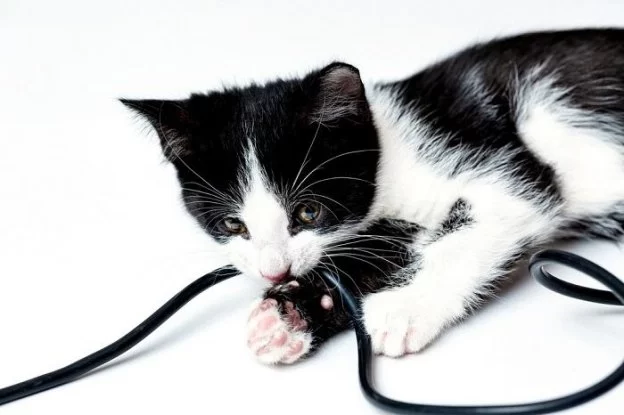
If you’ve caught your cat gnawing on power cords or sinking its teeth into your wooden table leg, you're not alone. Chewing behavior in cats, especially kittens and young adults, is surprisingly common. While dogs are often blamed for destructive chewing, cats are just as capable—though the reasons behind their behavior differ.
Some cats chew out of boredom. Others are driven by teething discomfort, sensory exploration, or even underlying anxiety. And in a few cases, it may stem from a condition called "pica"—a compulsive urge to eat non-food items.

2. Underlying Medical or Behavioral Triggers
Before labeling your cat as mischievous, it’s worth exploring what’s behind the behavior. Dental problems, nutritional deficiencies, and even gastrointestinal issues can manifest as compulsive chewing. If your cat’s behavior is sudden or seems intense, it could be their way of signaling discomfort.
Behavioral factors are equally important. Cats in under-stimulated environments may redirect their energy toward chewing. Likewise, a stressful move or the introduction of a new pet may heighten anxiety, leading your cat to chew as a self-soothing behavior.
A wellness check at your trusted vet clinic, such as Hidden Brook Veterinary, can help rule out underlying conditions while offering behavioral insights tailored to your cat’s history.
3. Dangers of Chewing on Cords and Furniture
Beyond property damage, chewing on cords or furniture can be life-threatening for cats. Chewing on electrical cords risks electric shock, burns, or even cardiac arrest. Many pet owners don’t realize this until a close call—or worse—has already occurred.
Wooden furniture, meanwhile, can splinter and injure a cat’s mouth or digestive tract if ingested. Painted or varnished surfaces may contain toxic substances. Even seemingly harmless materials like leather or fabric can lead to intestinal blockages.
Prevention isn’t just about saving your furniture—it’s about protecting your cat’s health.
4. Training Tactics to Prevent Destructive Chewing
Behavior modification is one of the most effective solutions. Start with deterrents: bitter apple sprays or citrus-scented repellents are often enough to make cords or furniture unappealing to your cat.
Redirect the behavior immediately when caught in the act. Use a toy or cat-safe chew object and reward the switch. Positive reinforcement works better than punishment—scolding may create fear without solving the root cause.
Some cat owners also wrap cords with cord protectors or PVC tubing, making them physically inaccessible or unpleasant to bite.
5. Safe Alternatives and Enrichment Ideas
Offering your cat safe items to chew is essential. Rubber chew toys designed for cats, silvervine sticks, or freeze-dried chicken chews can satisfy their oral urges. Rotate the toys regularly to keep things interesting.
Environmental enrichment helps address boredom and anxiety. Add vertical spaces, like cat trees or window perches, and engage in interactive play sessions using wand toys or puzzle feeders. A mentally stimulated cat is far less likely to develop destructive behaviors.
If you’re unsure which products are best, Hidden Brook Veterinary can recommend vet-approved chews and toys that suit your cat’s age, temperament, and chewing intensity.
6. When to Consult a Veterinarian
If your cat's chewing becomes obsessive, involves dangerous materials, or worsens despite intervention, it’s time to consult a professional. A veterinarian can assess for medical causes and may refer you to a veterinary behaviorist for more complex cases.
Keep a log of when and what your cat chews—it may help identify patterns or triggers. Don’t wait until there's an emergency; proactive care makes a world of difference.
Clinics like Hidden Brook Veterinary offer comprehensive care plans that go beyond physical exams, taking into account your cat’s emotional and behavioral well-being.
7. Real Pet Parent Stories and What Worked
One Reddit user shared how their cat chewed through two MacBook chargers before they realized the cords emitted warmth when plugged in. Their solution? Unplug cords when not in use and wrap them in braided cable sleeves. Their cat eventually lost interest.
Another pet parent from Seattle discovered their rescue kitten had separation anxiety, which triggered destructive chewing. With help from their vet, they implemented a calming diffuser and added a second cat for companionship. Within weeks, the chewing stopped entirely.
These stories show that understanding your cat’s environment and emotions is just as important as physical deterrents. And when you need expert support, Hidden Brook Veterinary is always a reliable resource.