Understanding Anxiety in Pets
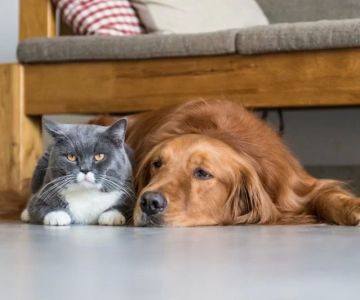
Many pet owners in the United States notice signs of anxiety in their furry companions—shaking during thunderstorms, excessive barking when left alone, or pacing nervously before a car ride. The question often arises: can anxiety in pets be treated without medication? The good news is that, in many cases, the answer is yes. While medication is sometimes necessary for severe conditions, there are a variety of natural and behavioral approaches that can make a significant difference in your pet’s quality of life.
Just like people, pets can feel stress for many reasons. Environmental changes, separation from owners, loud noises, or past traumas may trigger anxious behaviors. By understanding the root cause of the anxiety, owners can explore non-medicated treatments that provide comfort and stability.
1. Behavioral Therapy and Training Techniques
Identifying Triggers
The first step in treating anxiety without medication is identifying what sets off your pet. For instance, a dog may panic when hearing fireworks, while a cat may grow restless when strangers enter the house. Knowing the trigger allows you to tailor your approach.

Desensitization and Counterconditioning
Desensitization involves gradually exposing your pet to the anxiety source in a controlled way, while counterconditioning replaces fear with positive associations. For example, a dog afraid of car rides can start with simply sitting in a parked car, then slowly progress to short drives, always paired with rewards and praise. Over time, the anxiety can diminish significantly.
2. Natural Remedies and Calming Aids
Herbal and Nutritional Support
Natural supplements like chamomile, valerian root, and certain calming chews are popular among pet owners who want to avoid pharmaceuticals. Omega-3 fatty acids and probiotics may also contribute to overall emotional well-being. Always consult a veterinarian before starting new supplements to ensure they are safe for your pet.
Soothing Environments
Creating a calm and safe environment is essential. Weighted blankets for dogs, pheromone diffusers for cats, and quiet resting areas can reduce stress levels. Even small adjustments like playing soft music or using white noise machines can help pets feel more secure during stressful events.
3. Exercise and Mental Stimulation
For both dogs and cats, exercise is a natural anxiety reliever. A long walk, a game of fetch, or a challenging puzzle toy can redirect nervous energy into positive activity. Cats benefit from climbing trees, interactive toys, and window perches that keep them engaged with their environment. The more stimulation pets receive, the less likely they are to focus on their fears.
4. Real-Life Experiences from Pet Owners
Consider the story of Bella, a Labrador in Texas, who developed separation anxiety after her owner returned to an office job post-pandemic. Instead of turning to medication, her owner worked with a trainer to gradually extend the time Bella spent alone, paired with treat-dispensing toys. Within months, Bella’s panic subsided, and she became comfortable being home for several hours at a time.
Similarly, a family in California helped their rescue cat, Luna, overcome her fear of loud noises by using pheromone sprays and setting up a cozy hiding spot during thunderstorms. Today, Luna still prefers her safe corner but no longer trembles uncontrollably when storms roll in.
5. When to Seek Professional Help
While many pets improve with natural strategies, some cases require professional guidance. Certified behaviorists can design customized training plans, and veterinarians can rule out medical conditions that may mimic anxiety. For moderate to severe cases, a combination of behavioral therapy and, if necessary, short-term medication may be the most compassionate choice. The key is not to ignore anxiety but to address it in a way that supports your pet’s long-term happiness.
6. Expert Guidance for Pet Owners
Every animal is unique, and what works for one may not work for another. Working with professionals ensures that you are making the right choices for your pet’s health. At Hidden Brook Veterinary, our team helps owners explore holistic and practical solutions for anxiety. From nutrition advice to personalized behavior plans, we focus on giving pets a chance to thrive without unnecessary medications.
Encouraging a Healthier, Calmer Future
So, can anxiety in pets be treated without medication? For many animals, the answer is yes—with patience, consistency, and the right environment. Whether it’s through calming aids, behavior modification, or simply offering more exercise and love, pets can learn to manage their fears. And when expert support is needed, partnering with trusted professionals ensures peace of mind for both pets and owners. If you’re ready to help your furry companion live a calmer, happier life, consider reaching out to Hidden Brook Veterinary for tailored recommendations and compassionate care.