Best Ways to Prevent Anxiety in Pets During Stressful Situations
Pets, just like humans, can experience anxiety in stressful situations, which can affect their overall well-being and behavior. Whether it's a trip to the vet, fireworks during a celebration, or separation anxiety, understanding how to prevent anxiety in pets is essential for their health and happiness. In this article, we'll explore the best ways to prevent anxiety in pets, providing practical tips, calming techniques, and products that can help manage stress and keep your furry friend relaxed.

Understanding Pet Anxiety: Causes and Symptoms
1. What Triggers Anxiety in Pets?
There are numerous situations that can trigger anxiety in pets, ranging from everyday events to sudden, loud noises. Common triggers include:
- Vet visits or grooming appointments
- Fireworks or thunderstorms
- Separation from owners (separation anxiety)
- Changes in routine or environment
- Travel or long car rides
Recognizing what causes your pet's anxiety is the first step toward preventing it. For instance, a dog may experience anxiety when they are left alone at home, while a cat might become stressed by new people or animals in their environment.

2. Symptoms of Anxiety in Pets
Pet anxiety can manifest in various ways, and knowing what to look for will help you identify when your pet is feeling stressed. Common signs include:
- Excessive barking or meowing
- Shaking or trembling
- Excessive drooling or panting
- Destructive behavior (e.g., scratching furniture or chewing on objects)
- Hiding or avoiding interaction
- Loss of appetite
If your pet shows any of these signs, it's important to address their anxiety promptly to prevent further stress or behavioral issues.
Effective Ways to Prevent Anxiety in Pets
1. Create a Calm Environment
One of the most effective ways to reduce anxiety in pets is to create a calm, stress-free environment at home. This can include:
- Designating a quiet space where your pet can retreat when feeling overwhelmed
- Using calming music or white noise to drown out disturbing sounds like fireworks or traffic
- Maintaining a consistent routine to provide predictability and comfort
For example, Sarah, a cat owner, found that setting up a cozy, dimly lit area with soft bedding helped her cat feel safe during stressful situations. She also started playing gentle classical music to create a soothing atmosphere.
2. Regular Exercise and Mental Stimulation
Physical and mental stimulation play a crucial role in preventing anxiety. Regular exercise helps release pent-up energy, which can reduce stress levels in pets. Activities like walking, playing fetch, or interactive toys can provide both physical and mental exercise, helping your pet feel more relaxed and content.
For dogs, regular walks or runs are a great way to reduce anxiety. For cats, consider using puzzle toys or setting up a climbing structure to keep them mentally engaged. Exercise can help alleviate some of the anxious behaviors that arise from boredom or excess energy.
3. Calming Aids and Supplements
There are various calming aids and supplements designed to help reduce anxiety in pets. Some of the most popular options include:
- Calming pheromone products like Adaptil for dogs or Feliway for cats, which mimic natural calming scents that help soothe anxiety.
- Herbal supplements such as valerian root, chamomile, or L-theanine, which are known for their calming properties.
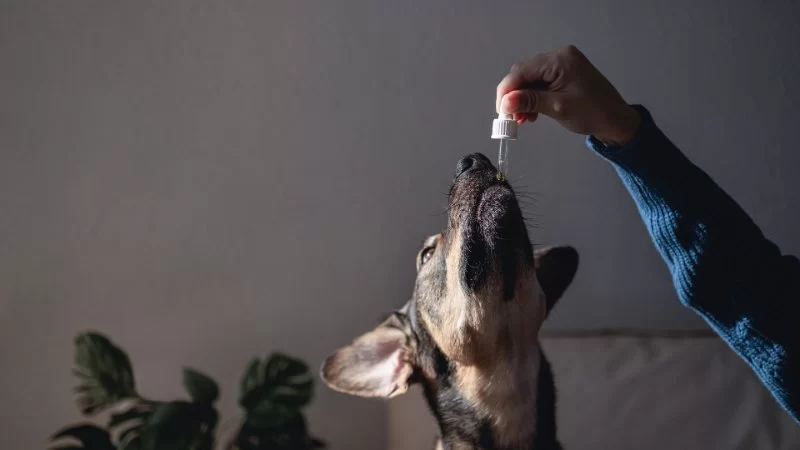
- CBD products have gained popularity for their ability to alleviate anxiety in pets. Always consult your vet before trying CBD for your pet.
Many pet owners have reported success using these products, especially in situations where pets are left alone, or when visiting the vet or groomer. For example, Lisa, a dog owner, found that using an Adaptil diffuser in her home helped calm her dog during thunderstorms and car rides.
4. Desensitization and Counter-Conditioning
If your pet’s anxiety is linked to specific events or situations, desensitization and counter-conditioning can be effective methods. This process involves gradually exposing your pet to the anxiety-inducing trigger in a controlled and safe manner, paired with positive reinforcement.
For example, if your dog is anxious about going to the vet, you can start by bringing them to the clinic for short visits where no medical procedures are performed. Reward them with treats and praise when they remain calm, helping them associate the vet visit with positive experiences.
Special Cases: Handling Separation Anxiety
1. Recognizing Separation Anxiety in Pets
Separation anxiety is one of the most common forms of anxiety in pets, particularly in dogs. It occurs when pets become overly attached to their owners and experience intense stress when left alone. Symptoms of separation anxiety include:
- Destructive behavior (chewing furniture, scratching doors)
- Excessive barking or howling
- Accidents in the house (urinating or defecating)
- Pacing or restlessness
It’s important to address separation anxiety early on to prevent it from becoming a chronic issue. Gradual training and behavior modification, such as crate training or leaving your pet alone for short periods, can help reduce anxiety over time.
2. Solutions for Separation Anxiety
There are several strategies to help manage separation anxiety, including:
- Creating a calm, secure space for your pet when you're away
- Using calming aids like pheromone diffusers or anxiety wraps
- Providing interactive toys or puzzle feeders to keep your pet mentally stimulated while you're gone
In some cases, prescription medications may be recommended by a veterinarian for pets with severe separation anxiety. It's essential to consult with your vet to determine the best course of action for your pet’s specific needs.
Consult with Hidden Brook Veterinary for Personalized Anxiety Solutions
If you're struggling with your pet's anxiety, Hidden Brook Veterinary is here to help. We can provide personalized advice and recommendations based on your pet’s behavior and needs. Whether it’s calming techniques, behavior modification, or product recommendations, our team is dedicated to helping your pet live a happier, stress-free life.