Understanding Severe Anxiety in Pets
Pet anxiety is a common issue that can affect any animal, from dogs to cats and even smaller pets like rabbits. When anxiety becomes severe, it can manifest in various distressing behaviors, such as excessive barking, destructive actions, drooling, trembling, and hiding. As a pet owner, seeing your beloved animal suffer from anxiety can be heartbreaking, but there are several effective ways to help soothe them and improve their quality of life.

1. Identifying the Signs of Severe Anxiety in Pets
Before addressing your pet’s anxiety, it’s essential to identify the signs that they may be experiencing stress. Some of the most common symptoms of severe anxiety in pets include:
- Excessive panting or drooling
- Destructive behavior (e.g., chewing furniture, clawing at doors)
- Urination or defecation in inappropriate places
- Shaking or trembling
- Restlessness or inability to settle down
- Hiding or attempting to escape
If your pet is displaying any of these signs, they may be suffering from anxiety, and it’s crucial to act quickly to provide them with relief.
2. Creating a Calm Environment
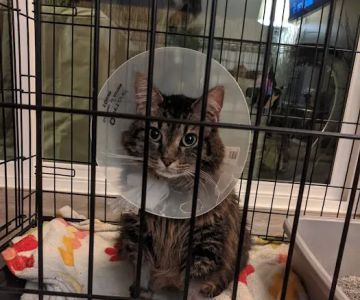
The first step in comforting a pet with severe anxiety is creating a calm and secure environment. Just like humans, pets can be affected by their surroundings. A noisy or chaotic environment can exacerbate anxiety, while a quiet, safe space can help alleviate it.
Here are some steps you can take to make your home more comforting for an anxious pet:
- Create a designated safe space: Set up a quiet, comfortable area where your pet can retreat when they feel overwhelmed. This space should include their favorite bed or blanket, along with toys or other items that make them feel secure.
- Reduce noise: If your pet is sensitive to loud noises, such as thunder or fireworks, consider using white noise machines or playing calming music to drown out disruptive sounds.
- Use pheromone diffusers: Certain products, such as pheromone diffusers, can help promote calmness in pets by releasing synthetic pheromones that mimic the calming scents that animals naturally produce.
3. Providing Physical Comfort
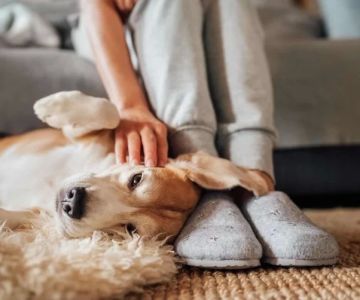
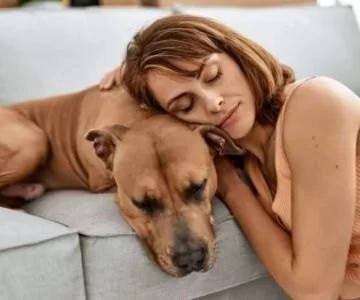
Sometimes, physical comfort is the most effective way to calm a pet with severe anxiety. Offering your pet gentle physical contact, like petting or cuddling, can provide reassurance and help lower stress levels. However, every pet is different, and some may prefer their space during times of anxiety.
Here are a few ways to provide physical comfort:
- Offer gentle petting: If your pet enjoys physical touch, gently petting them or offering a soothing massage can help reduce anxiety. Be mindful of their body language to ensure you’re not overwhelming them.
- Use anxiety wraps: Products like the ThunderShirt can provide gentle, constant pressure that mimics the feeling of being hugged, which has been shown to help calm anxious pets.
- Maintain routine: Keeping a consistent routine for feeding, playtime, and walks can help reduce stress in pets, as they thrive on predictability.
4. Calming Supplements and Natural Remedies
In addition to physical comfort, there are various calming supplements and natural remedies that can help reduce your pet’s anxiety. Many of these products are designed to support relaxation and promote a sense of calm without the need for medication.
Common calming supplements and remedies include:
- CBD oil: Cannabidiol (CBD) has become a popular supplement for pets suffering from anxiety. Research suggests that it may help reduce stress and promote relaxation without causing drowsiness or impairing cognitive function.
- Herbal supplements: Herbs such as valerian root, chamomile, and passionflower are known for their calming properties and are commonly found in pet anxiety supplements.
- Calming chews or treats: Many pet stores offer calming chews or treats that are specifically formulated to reduce anxiety. These treats often contain ingredients like L-theanine, melatonin, and CBD.
5. Training and Behavioral Therapy
Sometimes, addressing severe anxiety requires more than just physical comfort and calming products. Behavioral training and therapy can be highly effective in helping pets manage anxiety in the long term.
Here are some strategies to consider:
- Desensitization and counterconditioning: This technique involves gradually exposing your pet to the triggers that cause anxiety (such as loud noises or being left alone) while providing positive reinforcement (like treats or praise) to create a positive association.
- Consulting a professional: If your pet’s anxiety is severe and persistent, consulting a professional animal behaviorist or trainer can provide tailored strategies and guidance.
- Therapeutic play: Engaging in calming activities, such as gentle play or puzzle games, can help distract your pet and reduce feelings of stress.
6. When to Seek Veterinary Help
If your pet’s anxiety continues to worsen or if their symptoms become overwhelming, it’s important to consult with a veterinarian. In some cases, medication may be necessary to help manage anxiety, particularly if the condition is causing significant distress or impacting their health.
A veterinarian will be able to assess your pet’s condition and recommend appropriate treatments, which may include anti-anxiety medications or other specialized therapies.
At Hidden Brook Veterinary, we provide expert advice and resources to help pet owners manage anxiety in their furry friends. If you're looking for more information on how to comfort your pet with severe anxiety, don't hesitate to reach out to our team for guidance.