Best Ways to Alleviate Anxiety in Pets Naturally
As pet owners, it’s heart-wrenching to watch your furry companions struggle with anxiety. Whether it’s the sound of thunder, separation from their favorite human, or a change in routine, pets can experience stress just like humans. Fortunately, there are many natural ways to alleviate anxiety in pets, ensuring that they live happier and more relaxed lives. Below are some proven methods to calm your pet, based on expert recommendations and real-life experiences.

1. Understanding Pet Anxiety
Before diving into the solutions, it's important to understand why pets suffer from anxiety. Common triggers include:
- Separation from their owners
- Changes in the environment or routine
- Loud noises, such as thunderstorms or fireworks
- Traveling or visiting unfamiliar places
- Being left alone for long periods
Just like humans, pets experience a fight-or-flight response, and their anxiety manifests in behaviors such as pacing, excessive barking, drooling, or destructive chewing. Now, let's explore the natural methods to help alleviate this anxiety.
VCA Arboretum View Animal Hospital, 2551 Warrenville Rd, Downers Grove, IL 60515, USA
See Details2. Calming Music and Sound Therapy
One of the simplest ways to help a pet feel at ease is through calming sounds. Studies show that certain types of music can reduce stress in animals, much like it helps humans relax. Classical music, especially compositions with slow tempos, has been shown to have a calming effect on pets, particularly dogs and cats.
There are also specially designed soundtracks for pet anxiety, available in pet stores and online platforms. These soothing sounds mimic natural environments like rain, ocean waves, or forest sounds, which can make pets feel secure and reduce stress.
3. Herbal Remedies and Essential Oils
Herbal remedies have long been used to alleviate anxiety, and pets can benefit from them too. Some herbs, such as chamomile and valerian root, are known for their calming properties. However, always consult with your veterinarian before introducing any new herbs to your pet’s routine.
Essential oils like lavender, chamomile, and frankincense are also popular for their calming effects. You can diffuse these oils in your home or add a few drops to your pet’s bedding. Be cautious, however, as not all oils are safe for pets. For example, tea tree oil can be toxic to cats and dogs, so it's important to do your research or consult your vet.
4. A Calming Environment
Your home environment plays a crucial role in your pet’s anxiety levels. Creating a peaceful and safe space where your pet can retreat to when they feel stressed can be incredibly helpful. This can be done by:
- Setting up a cozy bed in a quiet, low-traffic area of your home.
- Using calming products like pet pheromone diffusers (e.g., Adaptil for dogs or Feliway for cats) that release synthetic versions of the natural calming pheromones animals emit.
- Maintaining a regular routine for feeding, walks, and playtime to provide a sense of security.
5. Massage and Gentle Touch
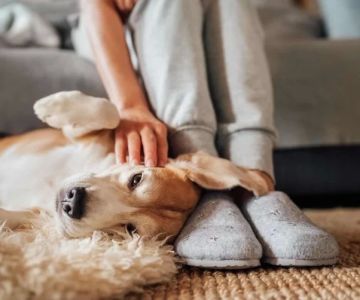
Much like humans, pets can benefit from gentle touch and massages to alleviate stress. Pet massage helps stimulate the release of endorphins, which can calm your pet and improve their mood. Many pets enjoy a gentle massage along their back, neck, and shoulders, which can promote relaxation and reduce muscle tension caused by stress.
Pet owners can also try pet acupuncture or acupressure, which can further relieve anxiety. These practices have been used for centuries to help pets with stress and emotional issues, and many holistic veterinarians offer these services.
6. The Power of Exercise and Playtime
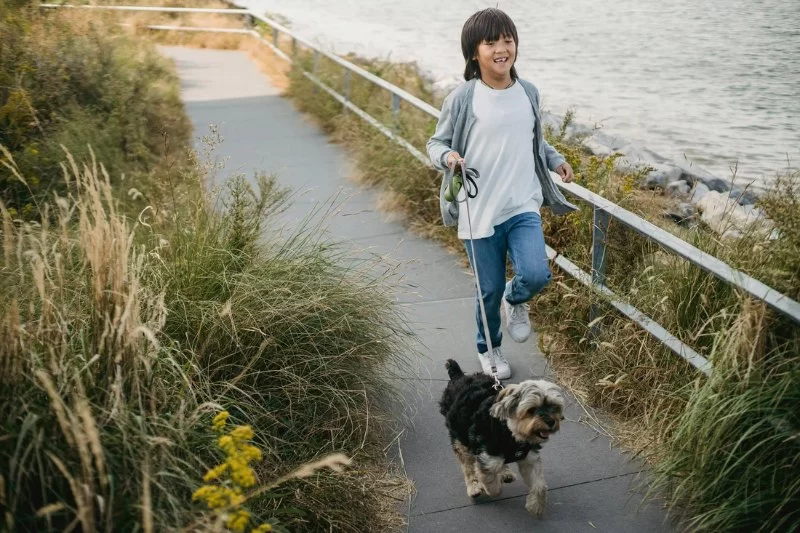
Regular exercise is a natural way to alleviate anxiety in pets. Physical activity helps to burn off excess energy and reduce tension. For dogs, long walks, hikes, or play sessions with toys can significantly reduce feelings of anxiety. For cats, interactive toys and games, such as feather wands or laser pointers, can keep them engaged and provide an outlet for their energy.
It's essential to match the intensity of the exercise to your pet’s age, breed, and health level. For example, older pets may prefer shorter, gentler walks, while younger dogs or high-energy breeds may require more vigorous exercise.
7. Diet and Supplements for Calmness
What your pet eats can have a direct impact on their mood and stress levels. A balanced, nutritious diet ensures that your pet’s body is functioning properly and can handle stress more effectively. Certain supplements, like those containing omega-3 fatty acids, can also help reduce anxiety.
There are also calming treats available that contain ingredients like L-theanine, CBD, or valerian root, all known to support relaxation. Always check with your vet before giving your pet any new supplements, especially if they are on medication.
8. Socializing and Training
Socializing your pet and providing them with proper training is one of the most effective ways to prevent anxiety in the long term. Training your pet to stay calm in different situations and exposing them to various environments, sounds, and other animals will help them build confidence and reduce fear-based anxiety.
Socialization for dogs, in particular, can help them feel more comfortable around people and other pets, reducing the stress of unexpected encounters. For example, taking your dog to pet-friendly events or parks can gradually desensitize them to new experiences.
9. Real-Life Story: How a Rescue Dog Overcame Anxiety
Take the case of Bella, a rescue dog from a local shelter, who suffered from severe separation anxiety. Her owner, Sarah, struggled with leaving Bella alone for even a few minutes without her becoming destructive and anxious. After trying several natural remedies, Sarah found success by combining calming music, consistent exercise, and training sessions. Over time, Bella became more confident, and Sarah noticed a significant reduction in her anxiety levels.
Sarah also used pheromone diffusers in Bella’s crate when she left the house, which helped her feel secure and less stressed. Today, Bella is much more relaxed and enjoys spending time at home, knowing that she is safe and loved.
10. When to Seek Professional Help
While natural remedies can be effective, sometimes anxiety in pets may be too overwhelming to manage alone. If your pet’s anxiety is causing harm or severely impacting their quality of life, it’s essential to seek professional help. A veterinarian can assess your pet’s health, provide behavioral therapy options, or even prescribe medication when necessary.
At Hidden Brook Veterinary, we specialize in providing advice and solutions tailored to your pet’s unique needs, helping them live a calmer, healthier life.