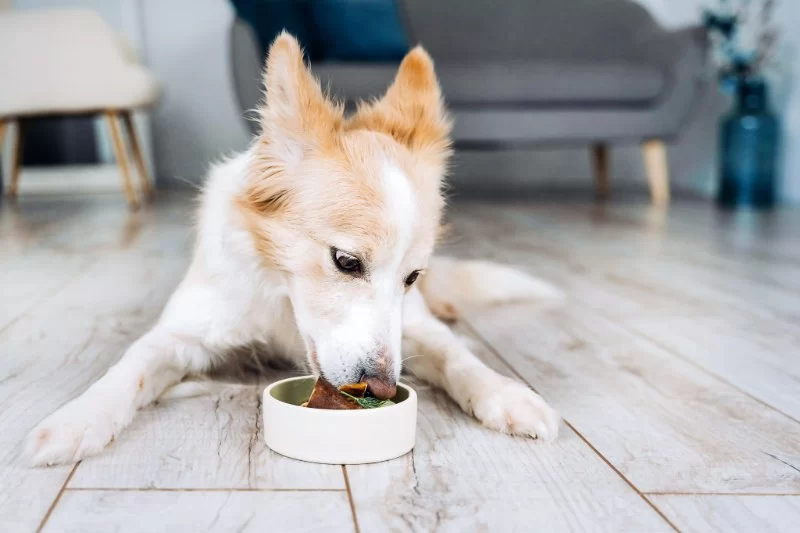
Tips for Feeding Pets with Pancreatitis: A Comprehensive Guide
- Understanding Pancreatitis in Pets
- Feeding Guide for Pets with Pancreatitis
- Foods to Avoid for Pets with Pancreatitis
- Monitoring Your Pet's Progress
- When to See the Vet
1. Understanding Pancreatitis in Pets
Pancreatitis is an inflammatory condition affecting the pancreas, a crucial organ responsible for producing digestive enzymes and regulating blood sugar. In pets, particularly dogs and cats, pancreatitis can cause severe discomfort, vomiting, loss of appetite, and other symptoms. The condition is often triggered by factors like a high-fat diet, obesity, or certain medications.
Managing pancreatitis requires not only medical treatment but also dietary adjustments. Proper feeding plays a key role in helping your pet recover and avoid future flare-ups. This guide offers practical tips on how to feed pets with pancreatitis and provide them with the nutritional support they need during recovery.
2. Feeding Guide for Pets with Pancreatitis
Feeding a pet with pancreatitis requires special care and attention to their dietary needs. Below are some essential tips for feeding your pet:
2.1 Offer Low-Fat, Easily Digestible Foods
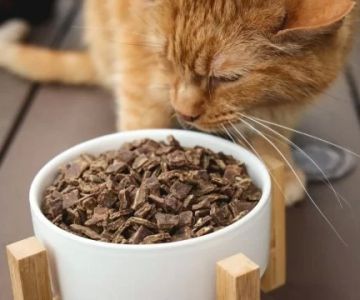
Pets with pancreatitis need a low-fat diet to prevent further irritation of the pancreas. High-fat foods can trigger flare-ups and make symptoms worse. Choose specially formulated low-fat pet foods or consult your veterinarian to determine the best food for your pet’s condition. Ideally, the food should be easy for them to digest, allowing their digestive system to function without overburdening the pancreas.
2.2 Serve Smaller, More Frequent Meals
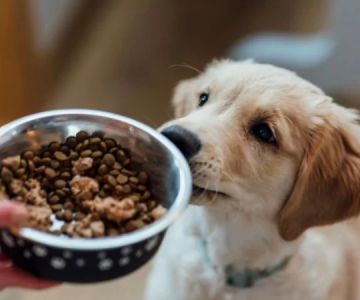
Instead of offering your pet a large meal once a day, it is better to divide their food into smaller, more frequent meals. This helps reduce stress on the pancreas and promotes better digestion. You can aim for 3-4 meals a day, depending on your pet's size and appetite.
2.3 Focus on Hydration
Proper hydration is crucial, especially for pets with pancreatitis. Dehydration can worsen their condition and delay recovery. Make sure your pet has access to fresh water at all times. If your pet is having difficulty drinking water, you can add water to their food or offer ice cubes to encourage them to stay hydrated.
2.4 Monitor Their Response to Food
It’s essential to keep track of your pet’s response to different foods. If you notice any signs of discomfort, like vomiting or diarrhea, remove the food from their diet and consult your vet. Some pets may respond better to certain types of food, so be patient and flexible as you figure out what works best.
3. Foods to Avoid for Pets with Pancreatitis
There are several foods that can trigger or worsen pancreatitis in pets. Avoid the following foods when feeding your pet:
3.1 High-Fat Foods
Fatty foods are the primary cause of pancreatitis flare-ups. Avoid feeding your pet fatty treats, meats with high-fat content, or any food rich in oils and butter. Stick to lean proteins and low-fat options that will not put additional strain on their pancreas.
3.2 Processed Foods
Processed foods, including pre-packaged pet snacks, can often contain unnecessary additives, preservatives, and unhealthy fats. Stick to fresh, natural foods whenever possible to ensure your pet is getting the best nutrients.
3.3 Dairy Products
Many pets, especially dogs, have difficulty digesting dairy products. Cheese, milk, and yogurt can cause gastrointestinal upset and exacerbate pancreatitis symptoms. Avoid giving dairy as a treat and opt for alternative sources of protein and fat.
3.4 Spicy or Seasoned Foods
Spices and seasonings, including garlic and onions, can be toxic to pets and irritate their digestive systems. Always prepare food for your pet without any added spices or seasoning. Natural, plain food is best for pets with pancreatitis.
4. Monitoring Your Pet’s Progress
As you manage your pet’s pancreatitis, it’s essential to monitor their progress closely. Look for signs that they are responding well to their diet, such as improved appetite, energy levels, and reduced gastrointestinal symptoms. If symptoms persist or worsen, it may be necessary to adjust their diet or medication plan.
4.1 Regular Vet Check-ups
Routine check-ups with your veterinarian are crucial to ensure your pet is on the right track. Your vet may recommend regular blood tests to monitor pancreatic enzyme levels, helping to gauge your pet’s recovery. They can also adjust the treatment plan as necessary.
4.2 Keep a Food Diary
Tracking your pet’s food intake and any changes in behavior can help you and your vet identify potential triggers. Keep a food diary to record what they eat, their appetite, and any signs of discomfort. This can help provide valuable insights into managing their condition effectively.
5. When to See the Vet
While dietary management is crucial for pets with pancreatitis, you must also know when to seek professional veterinary help. If your pet experiences any of the following symptoms, it’s essential to contact your vet immediately:
- Persistent vomiting or diarrhea
- Severe abdominal pain or tenderness
- Lethargy or lack of appetite
- Changes in behavior or unusual behavior, such as weakness or confusion
Remember, pancreatitis is a serious condition, and proper care and attention are vital for your pet's health. By following the right dietary practices and keeping in close contact with your veterinarian, you can help your pet manage pancreatitis and lead a healthier, more comfortable life.
For more advice on managing your pet’s health, or to find the best food and treatments for pets with pancreatitis, visit Hidden Brook Veterinary.