1. Hidden Brook Veterinary
  2. Pet Care Blog

How to Help Pets With Stress During Work Hours
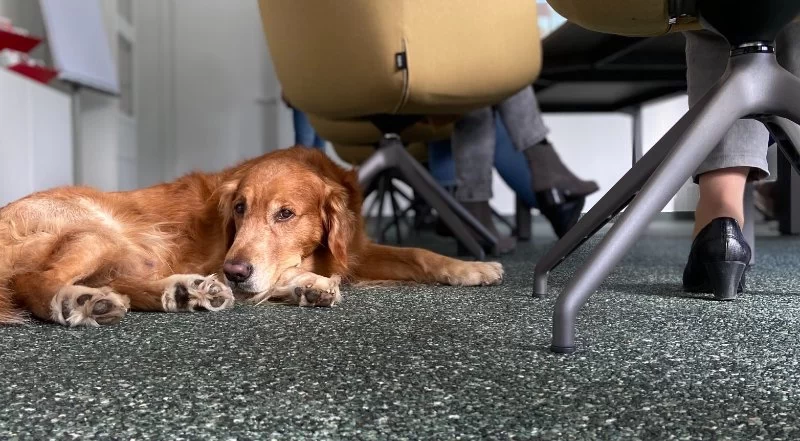
SEO Title: How to Help Pets With Stress During Work Hours SEO Keywords: pets stress, stress relief for pets, help pets with stress, pets anxiety, pet stress management, stress in pets SEO Description: Learn how to help pets with stress during work hours. This guide offers practical advice on managing pet anxiety, reducing stress, and keeping your pets calm when you're away at work.

1. Understanding Pet Stress and Anxiety

As a pet owner, I’ve learned that our furry friends can experience stress and anxiety, much like we do. Pets, especially dogs and cats, are sensitive to changes in their environment and routines. When you leave for work, your pet might feel the absence, leading to feelings of loneliness, boredom, or even fear. It’s essential to understand that stress in pets is not just behavioral; it has physiological effects on their well-being, and managing it is crucial for their overall health.

For instance, I’ve noticed my dog becoming more anxious when I’m preparing to leave for work, pacing around and whining. Pets can sense our emotions and routines, and when you leave, they may not understand where you’ve gone or when you’ll return. This confusion can lead to separation anxiety, a common form of stress in pets.

2. How to Recognize Stress in Pets

Recognizing stress in pets is the first step in helping them. Over the years, I’ve learned to identify signs of stress in my own pets, and it’s not always as obvious as it seems. Stress can manifest in various ways, and understanding these signals is key to addressing the issue.

2.1 Behavioral Changes

One of the most noticeable signs of stress is a change in behavior. If your pet suddenly becomes more aggressive, overly clingy, or even withdrawn, it might be a sign that they are feeling stressed. My cat, for example, would often hide under the couch whenever I left for work, which was her way of coping with separation anxiety.

2.2 Destructive Behaviors

Another red flag is destructive behavior, such as chewing on furniture, scratching doors, or tearing up cushions. This is common in dogs experiencing anxiety and is a sign that they need more stimulation or comfort during your absence. I’ve found that offering a variety of chew toys can help relieve this behavior.

2.3 Changes in Eating or Sleeping Habits

If your pet stops eating or drinking, or if they become overly lethargic or restless, these could also be signs of stress. During stressful times, pets often lose interest in their usual activities, such as eating or playing. I once noticed my dog refusing to eat when I started working longer hours, which was an indication of his discomfort.

3. Ways to Help Pets with Stress During Work Hours

Now that I know the signs of stress, I’ve found several ways to help my pets cope with the stress of my work hours. Here are some practical tips that have worked for me and could help you manage your pet’s anxiety:

3.1 Establish a Routine

Pets thrive on routine, and I’ve discovered that maintaining a consistent schedule helps my pets feel more secure. By feeding, walking, and playing with my pets at the same time each day, I’ve noticed they are less anxious. Predictability helps reduce stress by giving them a sense of control over their environment.

3.2 Provide Interactive Toys and Enrichment

Interactive toys are a great way to keep pets entertained while you’re at work. I use treat-dispensing toys and puzzle feeders to challenge my pets’ minds and keep them engaged. This helps alleviate boredom, which is a common cause of stress in pets left alone for extended periods. I’ve seen my dog become much calmer after being given a new puzzle toy to work on.

3.3 Create a Safe and Comfortable Space

One of the most important things I’ve done is create a safe space where my pets feel secure when I’m not home. I set up a cozy area with their favorite blankets and a comfortable bed, and I always make sure they have access to fresh water and toys. This provides them with a sanctuary where they can relax during my absence.

3.4 Consider Calming Products

If your pet continues to experience stress despite these efforts, you might want to try calming products. There are pheromone sprays, calming collars, and even natural supplements that can help reduce anxiety. I’ve used pheromone diffusers in my home, and they’ve helped create a more relaxed environment for my pets.

4. Creating a Comfortable Environment for Your Pet

Creating a pet-friendly environment is more than just providing toys and food; it’s about making sure your pet feels emotionally safe and comfortable. I’ve realized that the more comforting the environment, the less likely my pets are to feel stress when I’m away.

4.1 Play Soft Music or White Noise

Some pets find comfort in soft background noise. I’ve found that playing calming music or white noise helps mask the sounds of the outside world and can create a peaceful environment for my pets. This simple trick can make a big difference in reducing stress levels.

4.2 Use a Pet Camera

Using a pet camera has been a game-changer for me. With a pet camera, I can check in on my pets during the day to ensure they’re doing okay. It also allows me to monitor their behavior and intervene if I notice any signs of stress. Some cameras even allow me to talk to my pets or dispense treats, which can help calm them down.

5. When to Seek Professional Help for Your Pet

In some cases, despite our best efforts, pets may still struggle with severe anxiety. If you’ve tried various techniques and nothing seems to help, it may be time to consult a professional. A veterinarian or animal behaviorist can provide expert guidance and recommend more advanced treatments, such as prescription medication or behavior therapy.

If your pet’s stress is affecting their quality of life or causing serious behavioral issues, it’s always worth seeking help from professionals at a trusted veterinary clinic like Hidden Brook Veterinary. They can offer tailored solutions and ensure your pet’s mental and physical health is well cared for.