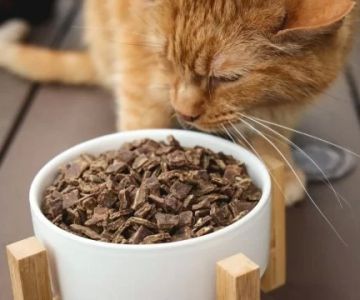
The Importance of Feeding Pets During Seasonal Changes
As a pet owner, you know that your furry friends rely on you for proper nutrition and care. But did you know that the seasons can affect your pet’s nutritional needs? Just like humans, pets experience changes in their activity levels, energy requirements, and even their coat type depending on the time of year. Understanding these seasonal shifts and adjusting your pet’s diet accordingly is essential for their health and well-being.
Throughout the year, as temperatures rise or fall, pets may need a change in their food intake and the type of food they consume. This guide will explore the best ways to feed your pets during seasonal changes, including the adjustments to make and the foods to include to keep your pet in tip-top shape. Whether you're heading into summer heat or winter chill, here's how you can ensure your pet's diet supports their changing needs.

2540 Cumberland Blvd SE, Smyrna, GA 30080, USA
See DetailsUnderstanding Pets' Needs During Seasonal Changes
Before diving into specific feeding adjustments, it's important to first understand how seasonal changes affect your pet’s body and behavior. As seasons change, pets experience shifts in their activity levels, metabolism, and even hydration needs. Let’s break down these factors for both hot and cold seasons.
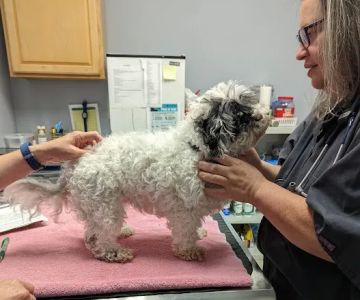
1. Hot Weather and Increased Activity
During warmer months, pets tend to be more active due to the increased opportunities for outdoor activities. However, extreme heat can lead to dehydration and exhaustion, which is why it's essential to adjust your pet’s diet accordingly. In addition to providing fresh water at all times, consider offering lighter meals that are easier to digest and keep your pet hydrated. Foods with higher moisture content can be helpful for supporting hydration in the heat.
2. Cold Weather and Reduced Activity
As the weather cools down, pets tend to stay indoors more often, and their activity levels decrease. This means their energy expenditure goes down, and their bodies may need fewer calories. However, some pets, especially those with shorter coats or older dogs, may require more calories to maintain their body temperature. During the colder months, you may need to adjust their diet to ensure they stay warm and maintain healthy energy levels.
How to Adjust Your Pet's Diet for Seasonal Changes
Now that you know how seasonal changes affect your pet, let’s talk about how to adjust their diet. Whether you're dealing with the summer heat or the winter cold, proper nutrition plays a crucial role in helping your pet stay healthy year-round.
1. Summer Feeding Tips: Light and Hydrating Meals
During the warmer months, it's crucial to focus on keeping your pet hydrated and comfortable. Here are some tips for adjusting your pet’s diet during summer:
- Increase moisture intake: Wet food or adding water or low-sodium broth to dry kibble can help keep your pet hydrated. Some pets may not drink enough water on their own, so adding moisture to their meals can help.
- Smaller, more frequent meals: In hot weather, pets may not feel like eating large meals. Offering smaller portions multiple times a day can encourage them to eat without overwhelming them.
- Cooling treats: You can offer frozen dog treats, like ice cubes made from broth or water, to keep your dog cool and entertained during the heat. Cats may enjoy frozen tuna or salmon treats too.
2. Winter Feeding Tips: Richer Diets for Energy and Warmth
In the winter months, pets may need more substantial meals to help them maintain energy and warmth. Here's how to adjust their diet during the cold season:
- Increase protein and fat: A diet higher in fat and protein helps your pet stay warm by providing extra energy. This is particularly important for outdoor pets or those with thin coats who need additional warmth.
- Feed heartier meals: Instead of the lighter meals used in warmer weather, your pet may benefit from more calorie-dense foods. A rich, nutrient-packed diet will help keep their energy up while they spend more time indoors.
- Warm meals: Just like us, pets may enjoy warm food during the winter months. You can lightly heat your pet’s wet food or add warm water to their dry kibble to make it more comforting.
How to Choose the Best Pet Food for Seasonal Changes
When selecting food for your pet during seasonal transitions, consider the following factors:
1. Quality Ingredients
Choose pet food that is made with high-quality ingredients, such as real meats, vegetables, and healthy fats. Look for food that provides a balanced combination of protein, carbohydrates, and fats to support your pet's needs throughout the year.
2. Moisture Content
For pets that may be prone to dehydration, such as older dogs or cats, consider foods with higher moisture content. Canned food, in particular, is an excellent option for keeping your pet hydrated during hot weather.
3. Special Dietary Needs
If your pet has special dietary requirements or sensitivities, make sure to select food that accommodates those needs. Whether your pet needs a grain-free diet or specific supplements for joint health, there are plenty of specialized options available that can help your pet thrive during seasonal changes.
Case Study: How I Adjusted My Dog's Diet for Seasonal Changes
Let me share a personal story. I have a Labrador named Max, and over the years, I’ve noticed that his eating habits and energy levels fluctuate with the seasons. During the summer, Max tends to lose his appetite in the heat and often seems lethargic. After consulting with our vet and making adjustments to his diet, I started offering him smaller, more frequent meals that were packed with moisture. I also added ice cubes made from broth as a fun and hydrating treat.
In the winter, however, Max’s appetite increases, and he needs more energy to stay warm. I switched to a higher-protein and higher-fat diet to keep him satisfied and energized during colder months. These small changes have made a big difference in Max’s overall health and happiness throughout the year. If you notice similar changes in your pets’ behavior, it’s important to tailor their diet accordingly.
For more tips and to find the best pet food for seasonal changes, I recommend checking out Hidden Brook Veterinary for top-quality products and expert advice tailored to your pet's needs.