Natural Remedies for Cat Urinary Tract Infections and Health
- 1. Understanding Urinary Tract Infections in Cats
- 2. Common Causes of Urinary Tract Infections in Cats
- 3. Natural Remedies for Cat Urinary Tract Infections
- 4. Prevention and Maintenance for Cat Urinary Health
- 5. When to Consult a Veterinarian
- 6. Trusted Natural Products for Cat Health
1. Understanding Urinary Tract Infections in Cats
Urinary tract infections (UTIs) are a common health issue in cats, affecting their bladder, kidneys, or urethra. Infections can cause discomfort, frequent urination, and other serious health complications if not addressed properly. UTIs are often more common in older cats, those with compromised immune systems, or cats who have experienced previous infections.
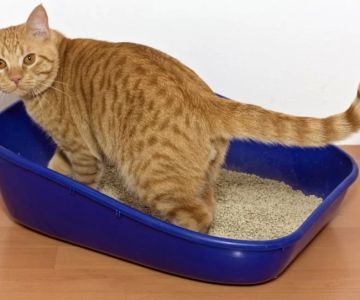
Symptoms of a urinary tract infection in cats include straining to urinate, blood in the urine, urinating outside the litter box, and lethargy. It's crucial to identify these signs early to prevent the infection from worsening. While veterinary care is essential, many pet owners are turning to natural remedies for managing and preventing UTIs in their cats.
2. Common Causes of Urinary Tract Infections in Cats
There are several factors that can contribute to urinary tract infections in cats. Understanding these factors can help you take preventive measures to protect your cat's urinary health. Common causes include:
- Inadequate Hydration: Cats often do not drink enough water, which can lead to concentrated urine, making it easier for bacteria to thrive in the urinary tract.
- Obesity: Overweight cats are more likely to suffer from UTIs, as excess weight can put pressure on the bladder and make it more difficult to empty it completely.
- Stress: Environmental stressors, such as a change in living situation or the addition of new pets, can increase the risk of UTIs in cats.
- Underlying Health Conditions: Cats with diabetes, kidney disease, or bladder stones are more susceptible to urinary tract infections.
Understanding the causes of UTIs can help you address underlying issues and prevent recurring infections in your cat.
3. Natural Remedies for Cat Urinary Tract Infections
Many pet owners are exploring natural remedies to help manage and treat urinary tract infections in cats. While these remedies should be used alongside veterinary care, they can be a great way to support your cat's health and reduce the frequency of infections. Some popular natural remedies include:
- Cranberry Extract: Cranberries are known for their ability to prevent bacteria from adhering to the walls of the urinary tract. Cranberry extract supplements are available and can help reduce the recurrence of UTIs in cats.
- Slippery Elm Bark: This herb is known for its soothing properties and can help reduce inflammation in the urinary tract, promoting healing and reducing irritation.
- Apple Cider Vinegar: A small amount of diluted apple cider vinegar can be added to your cat’s water to help maintain urinary tract health and balance pH levels.
- Marshmallow Root: Marshmallow root is another herb that can help soothe and protect the urinary tract lining, reducing discomfort caused by inflammation or infection.
- Hydration Support: Ensure your cat has constant access to fresh water to help flush out toxins and prevent concentrated urine. Some cats may benefit from wet cat food, which can increase hydration levels.
While these remedies can support your cat’s urinary health, always consult with a veterinarian before introducing any new supplements or herbs to ensure they are safe for your cat's specific health needs.
4. Prevention and Maintenance for Cat Urinary Health
Prevention is key when it comes to maintaining your cat's urinary health. Here are some steps you can take to reduce the risk of urinary tract infections:
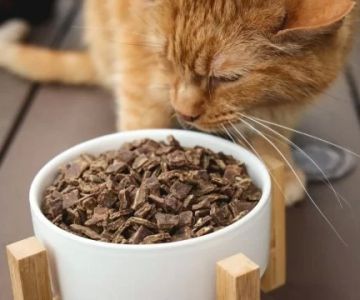
- Increase Hydration: Encourage your cat to drink more water. You can try adding water or broth to their food, offering a pet water fountain, or providing wet food, which has a higher moisture content than dry food.
- Monitor Diet: Feed your cat a balanced, high-quality diet that supports urinary tract health. Some commercial cat foods are specifically formulated to prevent urinary issues, such as urinary tract support formulas.
- Maintain a Stress-Free Environment: Cats are sensitive to stress, which can exacerbate urinary issues. Create a calm, quiet environment for your cat by providing them with a safe space and ensuring they have plenty of stimulation and comfort.
- Regular Vet Check-ups: Regular veterinary visits are essential to detect early signs of urinary problems or underlying health issues. Keep an eye on your cat’s litter box habits and consult a vet if you notice changes.
By incorporating these preventative measures into your cat's routine, you can significantly reduce the likelihood of urinary tract infections and maintain their overall health.
5. When to Consult a Veterinarian
While natural remedies and preventive care are essential for your cat’s urinary health, there are times when professional veterinary intervention is required. If your cat exhibits any of the following signs, it’s important to consult with a veterinarian:
- Frequent or painful urination
- Blood in the urine
- Straining to urinate
- Lethargy or decreased appetite
- Urinating outside the litter box
UTIs can lead to more severe health issues, such as kidney disease or bladder stones, if not treated properly. A veterinarian can offer diagnostic tests and prescribe appropriate medications to ensure your cat’s full recovery.
6. Trusted Natural Products for Cat Health
If you're looking for reliable natural products to support your cat’s urinary health, consider checking out options from trusted sources like Hidden Brook Veterinary. They offer a range of supplements and remedies designed specifically for feline health, including urinary tract support products that are safe and effective. Always choose high-quality, vet-approved products to ensure your cat’s safety and well-being.
Natural products can be a great way to complement your cat’s overall health care routine, but remember to use them alongside regular vet visits for the best results.