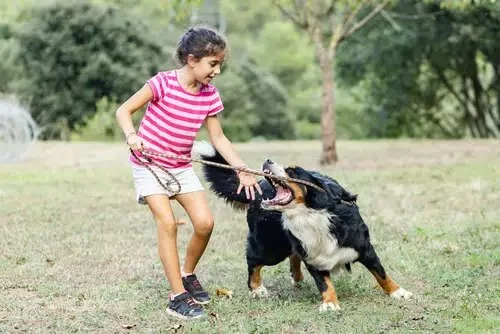
How to Train Pets to Respect Boundaries
As pet owners, one of the most important responsibilities we have is teaching our pets to respect boundaries. Whether it's keeping them off the furniture, teaching them not to jump on guests, or simply staying out of certain rooms, establishing clear boundaries is essential for a harmonious household. I've had my fair share of struggles with training my pets to respect boundaries, but through patience, consistency, and the right techniques, I’ve seen great improvements. In this guide, I’ll share some effective methods for training your pets to respect boundaries, ensuring a more peaceful and well-behaved companion.
- Understanding Pet Boundaries
- Effective Training Techniques for Boundaries
- Real-Life Examples: Successful Training Stories
1. Understanding Pet Boundaries
Before diving into training techniques, it’s important to understand what boundaries really mean for your pets. Boundaries are not just about physical spaces like your bed or sofa; they also refer to behavioral limits. Pets, especially dogs and cats, need clear guidelines on where they can go, what they can do, and how they should behave around people and other animals.
Pets are very intuitive creatures, but they don’t naturally understand human expectations. This is where training comes in. Boundaries are a way to communicate your rules to your pet in a way they can understand, and consistency is key. If you're inconsistent with your rules, your pet may become confused or frustrated, making training harder.

1.1 Setting Clear Expectations
One of the first steps in setting boundaries is clearly defining what you want. For example, do you want your dog to stay off the furniture, or are you okay with them occasionally hopping up for cuddles? It’s important to establish whether you want to train your pet to stay out of certain rooms or simply prevent them from entering specific areas within those rooms. The clearer you are about the boundaries you want to set, the easier it will be to communicate them to your pet.

1.2 Why Boundaries Matter
Boundaries help ensure that your pet behaves in a way that’s both safe and respectful for everyone in the household. Pets that don’t respect boundaries may become anxious, territorial, or even destructive. For instance, a dog that is allowed to roam the house without rules might chew furniture or bark excessively. On the other hand, a pet that understands boundaries feels secure and knows what to expect, leading to better overall behavior and less stress.
2. Effective Training Techniques for Boundaries
Now that you understand the importance of boundaries, let’s explore the most effective training techniques to help your pet respect them. These methods focus on positive reinforcement, consistency, and patience—three key ingredients for successful pet training.
2.1 Positive Reinforcement
Positive reinforcement is one of the most powerful training tools you can use. When your pet respects a boundary—whether it’s staying off the couch or remaining in a designated area—reward them immediately with a treat or praise. This teaches them that good behavior leads to positive outcomes, and they’re more likely to repeat it. For example, if your dog stays in their designated area when you open the door, reward them with a treat or verbal praise like, “Good job!”
2.2 Consistency is Key
Pets thrive on routine, and consistency is crucial when teaching them boundaries. If you allow your dog to sleep on the couch one day but scold them for it the next, they won’t understand what’s expected of them. Be consistent in your actions and responses, and ensure that all family members are on the same page regarding the boundaries you’ve set. Over time, your pet will start to associate specific behaviors with clear outcomes, making it easier to enforce the rules.
2.3 Timeouts and Redirection
If your pet crosses a boundary, such as jumping on the couch when they’re not supposed to, a timeout or redirection can be an effective way to teach them the limits. Gently redirect them to the designated area, and if needed, remove them from the situation to give them a timeout. This helps them understand that certain behaviors aren’t acceptable and gives them a moment to calm down and reset. Over time, they will learn to avoid these actions.
3. Real-Life Examples: Successful Training Stories
Training pets to respect boundaries can sometimes feel challenging, but real-life stories prove it’s worth the effort. Here are a couple of examples of how consistent training helped pet owners establish clear boundaries with their pets.
3.1 Mark and His Dog, Bruno
Mark adopted Bruno, a lovable but energetic dog, from a local shelter. Bruno had a habit of jumping on guests and climbing onto the furniture, which made it difficult for Mark to entertain. After some research and advice from a professional trainer, Mark decided to set clear boundaries for Bruno. He started by using positive reinforcement every time Bruno stayed on the floor during guest visits, rewarding him with treats and praise. Over time, Bruno learned to stay on the floor and wait patiently, respecting the boundaries set by Mark. Today, Bruno is a well-behaved dog who understands the rules of the house, and Mark enjoys stress-free social gatherings.
3.2 Lisa and Her Cat, Whiskers
Lisa struggled with Whiskers, her curious cat who always seemed to invade every room of the house. After trying different methods, Lisa decided to set boundaries by keeping Whiskers out of the kitchen and away from the bedroom. She started using redirection by providing Whiskers with alternative spaces to explore, like a cozy cat tree by the window. Each time Whiskers respected the boundaries, Lisa rewarded her with affection and treats. Over time, Whiskers learned to respect the rules, and Lisa found herself with a more peaceful and well-behaved cat.
If you’re looking for more guidance on pet training, including products and tips, visit Hidden Brook Veterinary, where you can find expert advice and resources to help train your pets and keep them healthy and happy.