How to Train Dogs to Be Calm During Vet Exams: Tips for Stress-Free Visits
Taking your dog to the vet can be a stressful experience—for both the dog and the owner. Whether it’s for a routine check-up, vaccinations, or a more serious issue, many dogs experience anxiety and fear during vet visits. This can make the process challenging and often results in a more difficult visit. Fortunately, with some preparation and training, you can teach your dog how to stay calm during vet exams, making the entire experience smoother and less stressful.
In this article, we will explore practical tips and techniques for training your dog to remain calm during vet exams, reduce anxiety, and create a more positive association with visits to the veterinary clinic.

Understanding Why Dogs Get Anxious at the Vet
1. The Root Causes of Vet Anxiety in Dogs
Before we dive into training methods, it’s important to understand why dogs get anxious at the vet. Several factors can contribute to this stress, including:
- Separation from their owner: Many dogs become anxious when they are separated from their owner, especially in unfamiliar settings like the vet's office.
- Unfamiliar smells and sounds: Veterinary clinics are filled with unfamiliar smells, sounds, and other animals, all of which can be overwhelming for a dog.
- Physical discomfort: Some dogs associate vet visits with uncomfortable procedures, such as shots, exams, or blood draws.
- Previous negative experiences: If a dog has had a traumatic experience at the vet, they may become more fearful during future visits.
Understanding these triggers can help you focus on desensitizing your dog to these situations, ultimately reducing their anxiety over time.

Training Your Dog to Stay Calm During Vet Exams
1. Start with Early Socialization
The best way to ensure your dog remains calm during vet exams is to introduce them to the vet’s office at an early age. Early socialization is crucial for puppies, as it helps them build confidence in new environments and situations.
Bring your puppy to the vet for casual visits that don’t involve any medical procedures. Let them explore the office, meet the staff, and get used to the sounds and smells of the clinic. This helps them associate the vet with positive experiences, making future visits less intimidating.
2. Desensitize Your Dog to the Vet Environment
If your dog is older and already has negative associations with the vet, desensitization training can help. The goal is to gradually expose your dog to the vet’s office in a controlled and positive manner to reduce their fear over time.
Start by visiting the clinic during quiet hours, when it’s less crowded. Bring treats, toys, and your dog’s favorite blanket to create a comfortable environment. Allow your dog to spend some time in the waiting room or exam room without any medical procedures being performed. Reward your dog with praise and treats for calm behavior during each visit. Gradually, your dog will associate the vet’s office with positive experiences rather than stress.
3. Practice Handling and Gentle Touches at Home
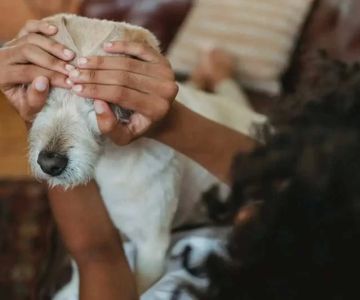
Many dogs become anxious during the physical exams at the vet because they’re not used to being touched in certain areas of their body. To help reduce this anxiety, practice gentle handling at home. Gently touch your dog’s ears, paws, mouth, and other areas where the vet will examine them. Reward your dog with treats and praise when they allow you to handle these sensitive areas, making it easier for them to tolerate a full exam at the clinic.
4. Use Positive Reinforcement During Vet Visits
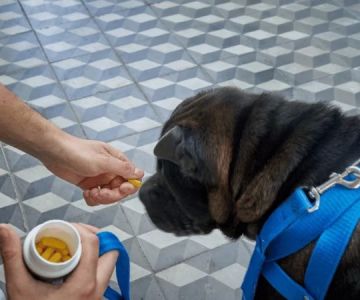
Positive reinforcement is one of the most effective training techniques for calming your dog during vet visits. Bring along high-value treats that your dog loves and offer them throughout the visit. Reward calm behavior, such as sitting or lying down quietly, and give your dog treats during breaks in the exam process. This will help your dog associate the vet visit with positive experiences rather than just stress or discomfort.
5. Take Advantage of Relaxation Tools
In addition to training, there are several tools available that can help reduce your dog’s anxiety during vet exams. These include:
- Calming wraps: Products like the Thundershirt can help calm dogs by applying gentle, constant pressure to their body, which has a soothing effect.
- Calming pheromone sprays: Pheromone products like Adaptil mimic calming scents that can help relax your dog during stressful situations.
- CBD oil or treats: Some pet owners find that CBD products can help reduce anxiety and promote relaxation in their dogs.
It’s important to consult your vet before using these products to ensure they’re safe and appropriate for your dog’s needs.
Real-Life Example: A Success Story
Meet Sarah and her dog Max. Max was always fearful of the vet, and every visit was a struggle. After a particularly stressful trip, Sarah decided to take action and implement desensitization training. Over several months, she visited the vet’s office once a week for casual visits. She brought treats, toys, and spent time in the waiting room, rewarding Max for calm behavior. Gradually, Max became more comfortable at the vet, and his anxiety decreased significantly. When Sarah finally took him in for a full exam, Max remained calm throughout the visit. With time, patience, and positive reinforcement, Max learned to associate the vet’s office with positive experiences.
Consult Hidden Brook Veterinary for Support
At Hidden Brook Veterinary, we understand how stressful vet visits can be for both pets and their owners. Our compassionate team is here to help ease your dog’s anxiety and ensure that their exams are as calm and comfortable as possible. We offer training tips, calming techniques, and a supportive environment to make every visit a positive experience for you and your pet. Visit us today for more information and advice on how to help your dog stay calm during vet exams.