- 1- Understanding Dog Anxiety and Fear
- 2- Common Causes of Fear in Dogs
- 3- How to Identify If Your Dog Is Scared of Loud Sounds
- 4- Real-Life Example of a Dog Scared of Thunder
- 5- Solutions to Calm Your Dog During Loud Noises
- 6- When to Consult a Veterinarian for Your Dog's Fear
1. Understanding Dog Anxiety and Fear
As a dog owner, I’ve seen firsthand how loud noises can affect my dog’s behavior. Understanding your dog’s anxiety and fear can help you take the right steps to alleviate their discomfort. Fear is a natural emotion, but when it becomes overwhelming, it can lead to anxiety, especially during loud events like thunderstorms, fireworks, or even vacuum cleaners.
Dog anxiety can manifest in various forms, from destructive behavior to excessive barking, and it's essential to recognize the signs early. Over time, I’ve learned that certain triggers, such as sudden loud sounds, can make my dog feel extremely uneasy, which is why it's important to understand the root of their fear.

2. Common Causes of Fear in Dogs
Several common triggers can cause fear and anxiety in dogs. Loud sounds are among the top concerns for many pet owners. For example, during fireworks season or on a stormy day, you may notice your dog acting unusually. However, it’s not just loud sounds — fear can also stem from other environmental factors like:
- Separation anxiety when left alone
- Previous traumatic experiences
- New or unfamiliar environments
- Changes in routine or household dynamics
In my experience, recognizing these triggers is vital for understanding how to help your dog cope. If your dog experiences anxiety during storms or sudden loud noises, it’s important to address the situation with patience and care.

3. How to Identify If Your Dog Is Scared of Loud Sounds
Identifying when your dog is scared of loud noises can sometimes be tricky, as dogs have unique ways of expressing fear. However, there are clear signs that indicate your dog is experiencing fear. Some of the most common signs I’ve observed include:
- Whining or whimpering: My dog often whines when he hears a loud noise, whether it's the sound of thunder or fireworks.
- Shaking or trembling: If my dog starts shaking uncontrollably, especially during thunderstorms, it’s a clear sign of fear.
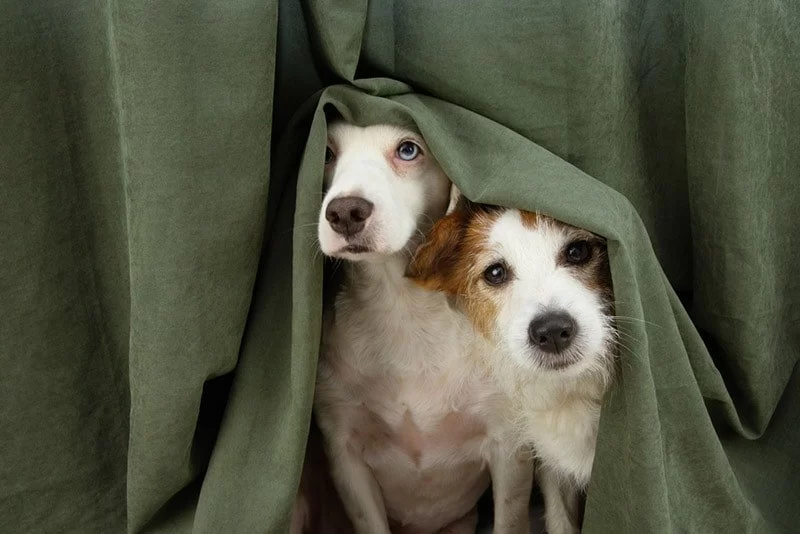
- Hiding or seeking refuge: Dogs often hide in safe spaces, like under furniture or in closets, when they're scared of loud sounds.
- Excessive barking or howling: If my dog starts barking or howling more than usual, it might be due to anxiety from loud noises.
- Changes in body posture: Dogs may lower their bodies or tuck their tails between their legs when feeling scared.
By paying close attention to these behaviors, you can easily determine if your dog is frightened by loud sounds. If you see any of these signs, it’s time to take action to comfort them.
4. Real-Life Example of a Dog Scared of Thunder
Let me share a real-life story about my dog, Max, and how he reacted to a thunderstorm. Last summer, during a heavy thunderstorm, Max became extremely anxious. He started shaking, whining, and even tried to hide under the sofa. I could tell that the loud claps of thunder were terrifying him, and he couldn’t calm down on his own.
That experience was eye-opening for me, as it helped me realize how deeply sound affects my dog’s emotional state. I knew then that I needed to make adjustments and find solutions to help Max feel more secure during these events.
5. Solutions to Calm Your Dog During Loud Noises
Fortunately, there are several strategies that can help calm your dog during loud noises. After seeing how much Max suffered during thunderstorms, I began exploring different calming techniques, and here are a few that have worked for us:
- Provide a safe space: Create a quiet, comfortable space for your dog to retreat to during loud events. This can be a crate or a designated room with their favorite blankets and toys.
- Soundproof the environment: I found that closing windows and doors, and using white noise machines, can help muffle loud sounds and provide some relief.
- Comfort with calming tools: There are various calming products available, such as anxiety vests or pheromone diffusers, which can help reduce anxiety during stressful situations.
- Stay calm yourself: Dogs are incredibly intuitive, and I’ve learned that if I remain calm and reassuring, my dog is more likely to relax as well.
- Desensitization: Gradually exposing your dog to loud sounds in a controlled environment can help them become less sensitive over time. Start with a low volume and increase it gradually as they become more comfortable.
These solutions have helped Max and me navigate loud events, and I believe they can work for other dogs too. If you're struggling with your dog's fear of loud sounds, consider trying some of these techniques to bring them comfort during stressful times.
6. When to Consult a Veterinarian for Your Dog's Fear
If your dog’s fear of loud sounds persists or seems to be worsening, it may be time to consult with a veterinarian. In some cases, severe anxiety can lead to behavioral problems that require professional intervention. A veterinarian can provide further guidance on managing your dog’s anxiety and may recommend medications or therapies to help them cope.
At Hidden Brook Veterinary, we offer resources to help you manage your pet’s anxiety and ensure their well-being. If you notice that your dog’s behavior is affecting their quality of life, don’t hesitate to reach out for expert advice.