How to Recognize and Treat Pet Feline Nasal Disease
- 1. Understanding Feline Nasal Disease
- 2. Symptoms of Nasal Disease in Cats
- 3. Diagnosing Nasal Disease in Cats
- 4. Treating Feline Nasal Disease
- 5. Preventing Nasal Issues in Cats
1. Understanding Feline Nasal Disease
Feline nasal disease is a common health condition in cats that affects the nose, sinuses, and upper respiratory system. It can be caused by a variety of factors, including infections, allergies, and structural issues. When a cat develops nasal disease, it may experience difficulty breathing, nasal discharge, and other symptoms that can significantly impact its quality of life. Understanding the underlying causes of nasal disease is crucial for effective treatment and management.

2. Symptoms of Nasal Disease in Cats
Recognizing the symptoms of nasal disease in your cat is the first step in seeking timely treatment. Common signs to watch for include:
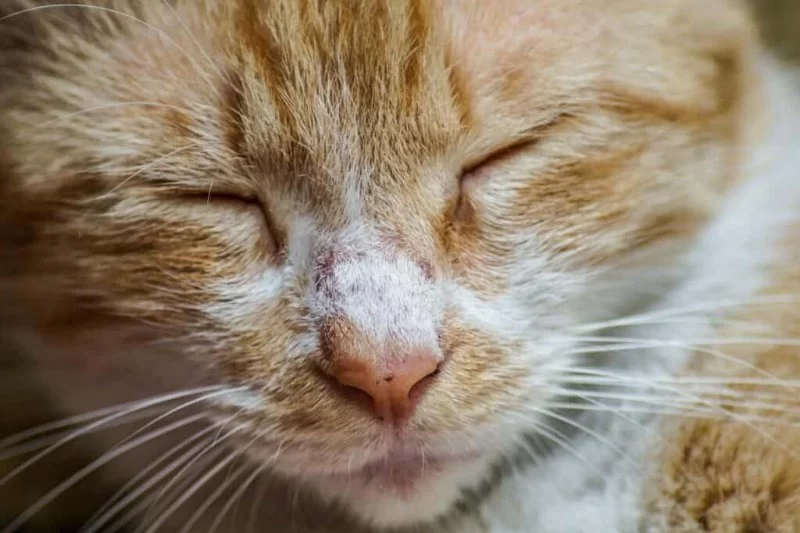
- Nasal Discharge: A runny nose is one of the most common symptoms. The discharge may be clear, yellow, or green, depending on the cause of the infection or inflammation.
- Sneezing: Frequent sneezing can be a sign that your cat is experiencing nasal irritation or an upper respiratory infection.
- Labored Breathing: Cats with nasal disease may have trouble breathing through their noses, causing them to breathe through their mouths or exhibit rapid breathing.
- Loss of Appetite: Nasal congestion can affect your cat's sense of smell, leading to a decreased appetite or refusal to eat.
- Excessive Salivation: When a cat is unable to smell food properly, it may drool more than usual as a result of the discomfort.
If you notice any of these symptoms, it's important to consult with a veterinarian to determine the cause of the nasal disease and begin treatment as soon as possible.
3. Diagnosing Nasal Disease in Cats
Diagnosing nasal disease in cats requires a thorough veterinary examination. The process typically involves:
- Physical Examination: The veterinarian will assess your cat’s overall health and check for signs of nasal discharge, breathing difficulties, and other symptoms.
- Laboratory Tests: Your vet may recommend blood tests or a nasal swab to identify any bacterial or viral infections that might be contributing to the problem.
- X-Rays or Endoscopy: In more severe cases, an x-ray or endoscopic procedure may be necessary to examine the nasal passages and sinuses for any obstructions or structural issues.
Accurate diagnosis is essential to develop an appropriate treatment plan, as the treatment for nasal disease varies depending on the underlying cause.
4. Treating Feline Nasal Disease
Treatment for feline nasal disease depends on the specific cause of the condition. Some common treatments include:
- Antibiotics: If a bacterial infection is diagnosed, your vet may prescribe antibiotics to help fight the infection and reduce symptoms.
- Antiviral Medications: In cases of viral infections, medications may be prescribed to manage symptoms, though some viral infections in cats cannot be cured and must be managed symptomatically.
- Steam Therapy: In mild cases of congestion, steaming or using a humidifier can help to loosen mucus and clear up nasal passages.
- Surgical Treatment: If a structural issue such as a tumor or foreign object is found, surgery may be required to correct the problem and allow for better airflow through the nasal passages.
As with any medical condition, following your veterinarian's instructions for administering medication and aftercare is crucial to your cat's recovery.
5. Preventing Nasal Issues in Cats
Preventing feline nasal disease involves taking steps to reduce your cat's exposure to potential causes of respiratory infections or allergens. Some preventive measures include:
- Keeping Your Cat Indoors: Limiting your cat's exposure to outdoor allergens and infectious diseases can reduce the likelihood of nasal issues.
- Regular Vet Check-Ups: Routine veterinary exams can help detect early signs of nasal disease and ensure your cat’s overall health is maintained.
- Vaccinations: Ensure your cat is up-to-date on vaccinations that can help protect against common respiratory infections.
- Air Quality: Use air purifiers to reduce dust, pollen, and other allergens that could trigger nasal issues in sensitive cats.
By following these preventive steps and seeking prompt veterinary care when symptoms arise, you can help ensure your cat stays healthy and free from nasal disease.
For more information on feline health or to schedule an appointment, visit Hidden Brook Veterinary for trusted care and advice tailored to your pet's needs.