- 1- Understanding-Feline-Immune-Dysfunctions #understanding-feline-immune-dysfunctions
- 2- Common-Signs-of-Immune-Dysfunction-in-Cats #common-signs-of-immune-dysfunction-in-cats
- 3- Causes-of-Feline-Immune-Dysfunctions #causes-of-feline-immune-dysfunctions
- 4- How-to-Diagnose-Immune-Dysfunction-in-Cats #how-to-diagnose-immune-dysfunction-in-cats
- 5- Treatment-Options-for-Feline-Immune-Dysfunction #treatment-options-for-feline-immune-dysfunction
- 6- Real-Life-Cases-of-Immune-Dysfunction-in-Cats #real-life-cases-of-immune-dysfunction-in-cats
- 7- When-to-Seek-Professional-Veterinary-Help #when-to-seek-professional-veterinary-help
1. Understanding Feline Immune Dysfunctions
The immune system is a vital part of a cat’s health, protecting them from infections and diseases. When the immune system is compromised, it can lead to immune dysfunction, making the cat more susceptible to infections, allergies, and even autoimmune diseases. Feline immune dysfunctions are not always obvious and may go unnoticed until symptoms become severe. This is why it’s important for cat owners to be familiar with the signs, causes, and treatments of these conditions.
Immune dysfunction can manifest in various ways, from a weakened immune system that fails to fight off infections, to autoimmune diseases where the body mistakenly attacks its own cells. In this article, we’ll explore how to recognize immune dysfunction in cats, the causes behind it, and how to treat and manage these conditions to help your feline friend stay healthy.

2. Common Signs of Immune Dysfunction in Cats
Recognizing the signs of immune dysfunction in cats early can significantly improve the chances of effective treatment. The symptoms can vary depending on the type of dysfunction, but some common indicators include:
1. Frequent Infections: Cats with immune dysfunction may suffer from recurrent infections, such as skin infections, urinary tract infections, or respiratory infections that don’t seem to resolve with typical treatments.
2. Unexplained Weight Loss: Significant weight loss, even when the cat is eating regularly, can indicate a compromised immune system that may not be able to properly absorb nutrients.
3. Fatigue and Lethargy: Cats with weakened immune systems may exhibit signs of fatigue, lack of energy, and reluctance to engage in normal activities.
4. Skin Issues: Immune dysfunction can lead to poor skin health, including sores, rashes, or excessive itching, often due to infections that the immune system can’t properly combat.
5. Autoimmune Symptoms: In cases of autoimmune diseases, you may notice symptoms such as swollen joints, difficulty breathing, or skin lesions as the body attacks its own tissues.
If your cat exhibits any of these symptoms, it’s important to consult a veterinarian to rule out immune dysfunction and ensure proper treatment.

3. Causes of Feline Immune Dysfunctions
There are several factors that can lead to immune dysfunction in cats. These can range from genetic predisposition to environmental factors or underlying health conditions. Some of the most common causes include:
1. Genetics: Some cats may inherit genetic mutations that make them more susceptible to immune dysfunctions. Certain breeds, such as Siamese cats, are more prone to developing certain immune system disorders.
2. Viral Infections: Feline viral infections, such as Feline Leukemia Virus (FeLV) or Feline Immunodeficiency Virus (FIV), can severely impact the immune system, leading to chronic health issues.
3. Environmental Factors: Stress, poor diet, and exposure to toxins or pollutants can weaken the immune system. Prolonged stress, in particular, has been shown to impair immune function in cats.
4. Autoimmune Diseases: In some cases, the immune system mistakenly attacks the body’s own cells, leading to autoimmune diseases. Examples include feline lupus or autoimmune hemolytic anemia.
5. Aging: As cats age, their immune system naturally weakens, making older cats more susceptible to infections and other immune-related diseases.
Understanding the root cause of your cat’s immune dysfunction is essential in determining the best course of treatment and management.
4. How to Diagnose Immune Dysfunction in Cats
Diagnosing immune dysfunction in cats often involves a series of tests and examinations conducted by a veterinarian. The process typically includes the following steps:
1. Physical Examination: The veterinarian will begin with a thorough physical examination, noting any visible symptoms such as skin conditions, weight loss, or fatigue.
2. Blood Tests: Blood tests are crucial for evaluating the overall health of your cat’s immune system. These tests can identify infections, low white blood cell counts, or the presence of antibodies that suggest autoimmune disease.
3. Urine Tests: Urine analysis helps detect urinary tract infections or kidney problems, which can be related to immune system dysfunction.
4. Biopsy and Imaging: In some cases, a biopsy or imaging (such as X-rays or ultrasound) may be necessary to check for organ damage or internal issues that could be related to immune dysfunction.
Once a diagnosis is made, your veterinarian will discuss treatment options based on the specific condition and its severity.
5. Treatment Options for Feline Immune Dysfunction
Treatment for feline immune dysfunction depends on the underlying cause and the severity of the condition. There are several options available, including:
1. Medications: Immunosuppressive drugs, such as steroids, may be prescribed to manage autoimmune diseases. Antibiotics and antiviral medications are used to treat infections caused by a weakened immune system.
2. Diet and Nutrition: A high-quality, balanced diet is essential for maintaining a healthy immune system. In some cases, a special diet rich in antioxidants and essential fatty acids may be recommended to boost immune function.
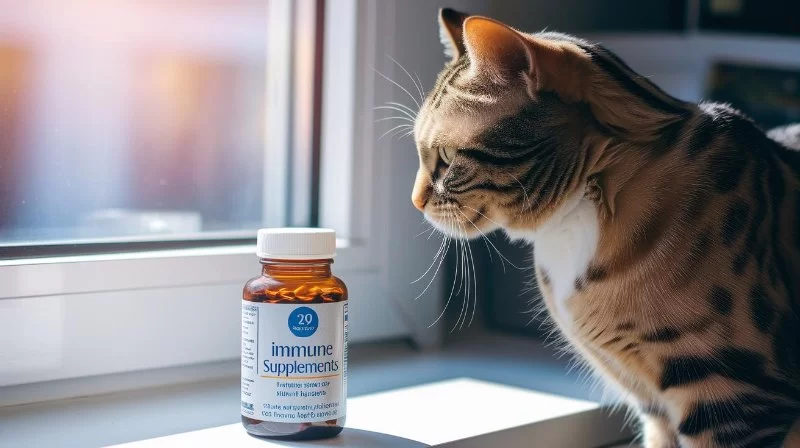
3. Supplements: Supplements like omega-3 fatty acids and probiotics can help support the immune system and reduce inflammation.
4. Regular Monitoring: Cats with immune dysfunction may require regular checkups and blood work to monitor their progress and adjust treatments as needed.
5. Stress Reduction: Reducing stress is crucial for immune function. Ensuring that your cat has a calm, comfortable environment can improve their immune response over time.
6. Real-Life Cases of Immune Dysfunction in Cats
Many cat owners have faced the challenges of managing immune dysfunction in their pets. Take, for example, a cat named Bella, who was diagnosed with autoimmune hemolytic anemia (AIHA) after showing signs of lethargy and pale gums. With immediate treatment, including corticosteroids and regular blood tests, Bella’s condition improved, and she returned to her normal, playful self.
Another case involved a senior cat named Max, who had FIV. Max’s immune system was weakened, making him more susceptible to respiratory infections. With the help of a carefully tailored treatment plan and a stress-free environment, Max was able to manage his symptoms and live a comfortable life.
7. When to Seek Professional Veterinary Help
If you suspect that your cat may be suffering from immune dysfunction, it’s important to seek professional help as soon as possible. Early intervention can make a significant difference in managing symptoms and improving your cat’s quality of life. A veterinarian can help diagnose the problem, recommend the right treatments, and provide ongoing care to ensure your cat’s well-being.
For expert advice and personalized treatment plans for feline immune dysfunction, consider reaching out to Hidden Brook Veterinary, where experienced veterinarians are dedicated to providing the best care for your furry friends.